Related birding guides
- Birding in Uganda: Complete Guide to Africa’s Premier Birdwatching Destination
- Uganda Birding in January: Peak Dry Season Birdwatching, High Visibility, and Excellent Safari Conditions
- Uganda Birding in February: Peak Dry Season Birdwatching, Clear Skies, and Excellent Species Visibility
- Uganda Birding in March: Transition into the Rainy Season, Breeding Activity, and Rich Forest Birding
- Uganda Birding in April: Rainy Season Birdwatching, Breeding Activity, and Lush Forest Experiences
- All Uganda birding guides →
The best time for birding in Uganda depends on the bird species you want to see, the habitats you plan to visit, and your overall safari goals. Uganda is widely recognized as one of Africa’s premier birdwatching destinations, hosting more than 1,090 recorded bird species within a relatively small geographic area. This represents over 50% of Africa’s bird species and approximately 11% of the world’s known bird species, making Uganda a true paradise for bird enthusiasts, photographers, researchers, and nature lovers.
Unlike some destinations where birding is highly seasonal, Uganda offers excellent birdwatching opportunities throughout the year. However, certain months provide better conditions for viewing, photography, accessibility, migratory bird sightings, and specialized species such as the iconic Shoebill Stork. Understanding Uganda’s seasons and regional habitats can help travelers maximize their birding safari experience.
Why Uganda is One of Africa’s Best Birding Destinations
Uganda’s exceptional bird diversity results from its unique location at the intersection of East African savannah ecosystems, West African rainforests, Albertine Rift mountains, extensive wetlands, tropical forests, lakes, rivers, and open grasslands. This incredible ecological diversity creates habitats suitable for a vast range of bird species.
Birders visiting Uganda can encounter forest endemics, savannah specialists, wetland birds, migratory species, raptors, waterbirds, and high-altitude mountain birds all within a single itinerary. The country is particularly famous for Albertine Rift endemic species, many of which are difficult or impossible to see elsewhere.
Popular birding destinations include Bwindi Impenetrable National Park, Mabamba Swamp, Queen Elizabeth National Park, Murchison Falls National Park, Kibale Forest National Park, Bigodi Wetland Sanctuary, Semuliki National Park, Lake Mburo National Park, and Mount Elgon National Park.
Uganda’s Birding Seasons
Uganda experiences two main dry seasons and two rainy seasons. Because bird activity, breeding behavior, migration patterns, and accessibility vary throughout the year, understanding these seasons is important when planning a birding safari.
Major Dry Season (June to August)
The period from June through August is considered one of the best times for birding in Uganda. During these months, vegetation is less dense, roads are more accessible, trails are easier to navigate, and birds are often easier to spot. Wildlife viewing is also excellent during this period, making it ideal for travelers combining birding with traditional safari activities.
Many birders appreciate the clear skies, comfortable hiking conditions, and improved visibility. Forest trails in Bwindi and Kibale remain relatively manageable, while wetlands and savannah parks offer excellent birdwatching opportunities.
Short Dry Season (December to February)
The second major birding season occurs between December and February. This period is particularly attractive because it coincides with the arrival of many migratory bird species from Europe and Asia. Bird diversity reaches peak levels as resident and migratory species occur together.
These months are considered some of the finest for bird photography due to favorable weather conditions and increased species variety. Travelers can enjoy productive birding in forests, wetlands, national parks, and lake regions throughout Uganda.
Rainy Seasons (March to May and September to November)
Although often overlooked by some tourists, the rainy seasons can actually be excellent for dedicated birders. During these months, many bird species enter breeding plumage, become more vocal, and engage in nesting activities. This creates opportunities for observing unique behaviors rarely seen during drier periods.
The months of March through May and September through November often provide exceptional bird activity. Forest habitats become lush and productive, while food availability increases across many ecosystems.
However, heavy rains can make some roads and trails more challenging, particularly in remote areas. Travelers should prepare accordingly with appropriate clothing and flexible itineraries.
Best Months for Birding in Uganda
January and February
January and February are among the most productive birding months in Uganda. Migratory birds remain present, weather conditions are favorable, and many species are active throughout the country.
These months are excellent for visiting Mabamba Swamp, Murchison Falls National Park, Queen Elizabeth National Park, Lake Mburo National Park, and Bwindi Impenetrable Forest.
June, July, and August
The June to August period offers outstanding birding conditions with excellent accessibility. Roads remain relatively dry, making travel between birding destinations easier. Visibility improves in many habitats, increasing opportunities to spot elusive species.
This period is especially suitable for travelers combining birdwatching with gorilla trekking, chimpanzee tracking, wildlife safaris, and photography.
September to November
September through November is highly regarded among serious birders. Breeding activity increases, many species become vocal, and migratory birds begin arriving from Europe and northern regions.
Wetlands become particularly productive during this period, while forest birding can be extremely rewarding due to increased bird activity.
Best Time to See the Shoebill in Uganda
The legendary Shoebill Stork remains one of the most sought-after birds in Africa. Uganda is considered one of the world’s best destinations for observing this prehistoric-looking species.
The best time for Shoebill tracking in Uganda is generally during the dry seasons from December to February and June to August. Lower water levels and predictable feeding behavior make sightings more reliable.
The top locations for Shoebill sightings include:
- Mabamba Swamp near Entebbe
- Murchison Falls National Park Delta
- Lugogo Wetland System
- Ziwa Rhino Sanctuary
Mabamba Swamp remains the most accessible and popular location for visitors seeking Shoebill encounters, especially those arriving or departing through Entebbe.
Best Time for Bird Photography in Uganda
Bird photographers often prefer the dry seasons due to favorable lighting conditions, easier mobility, and reduced vegetation density. December through February and June through August provide excellent opportunities for photography.
Morning and late afternoon light is particularly productive. During these periods, birds are often most active while lighting conditions create ideal photographic opportunities.
Photographers seeking breeding plumage and nesting behavior may prefer the wetter months despite occasional weather challenges.
Best Birding Destinations by Season
Bwindi Impenetrable National Park
Birding in Bwindi is productive year-round. The dry seasons offer easier hiking conditions, while wetter months provide increased breeding activity and vocalization among forest species.
The park hosts over 350 bird species, including numerous Albertine Rift endemics such as the African Green Broadbill, Shelley’s Crimsonwing, and Handsome Francolin.
Mabamba Swamp
Mabamba remains productive throughout the year, though Shoebill sightings tend to be easier during drier periods. The wetland supports numerous papyrus specialists and waterbirds.
Queen Elizabeth National Park
With over 600 bird species recorded, Queen Elizabeth is one of Africa’s richest birding destinations. Dry seasons improve accessibility, while rainy periods often increase bird activity.
Murchison Falls National Park
Murchison offers outstanding bird diversity along the Nile River, wetlands, woodlands, and savannah. The dry seasons are particularly favorable for combining birding with game drives and boat safaris.
Semuliki National Park
Semuliki is unique because it hosts many Central African forest species not easily found elsewhere in East Africa. Birding is productive throughout the year, though accessibility improves during drier months.
Migratory Birds in Uganda
One of the advantages of visiting Uganda between November and April is the presence of migratory species arriving from Europe, Asia, and northern Africa.
These migrants significantly increase Uganda’s already impressive bird list and create opportunities to observe species that spend only part of the year in East Africa.
For birders seeking maximum species diversity, January and February are often considered the best months because both resident and migratory birds are present.
Birding Combined with Gorilla Trekking
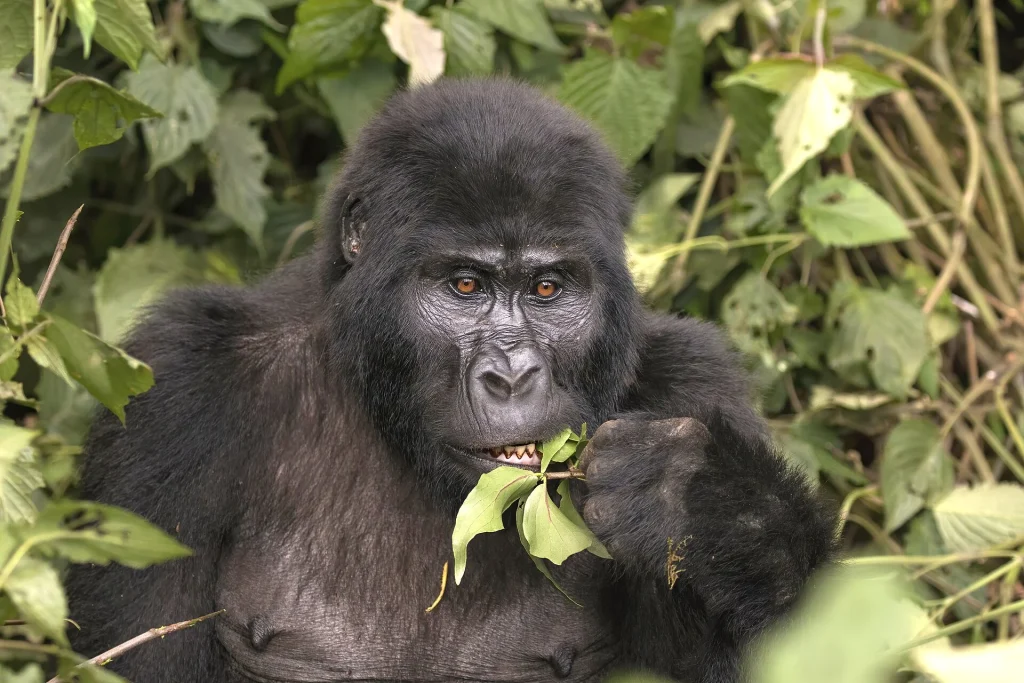
Many travelers combine birding safaris in Uganda with gorilla trekking. Bwindi Impenetrable National Park is one of the few places on earth where visitors can see mountain gorillas while also targeting numerous Albertine Rift endemic birds.
The dry seasons from June to August and December to February provide the best balance for combining these activities. Trails remain more manageable, photography conditions improve, and travel logistics become easier.
Birding Combined with Wildlife Safaris
Uganda is ideal for travelers who want both birdwatching and traditional wildlife safaris. National parks such as Murchison Falls, Queen Elizabeth, Kidepo Valley, and Lake Mburo offer excellent opportunities for both activities.
During game drives, visitors frequently encounter raptors, hornbills, storks, bee-eaters, kingfishers, bustards, rollers, and numerous other species while simultaneously observing elephants, lions, giraffes, buffaloes, and antelopes.
Birding Equipment Recommendations
Visitors planning a birding safari in Uganda should consider bringing:
- Quality binoculars
- Bird identification guides
- Camera with telephoto lens
- Waterproof field gear
- Lightweight hiking boots
- Notebook for recording sightings
- Rain jacket for forest birding
- Extra batteries and memory cards
Many birding destinations involve walking through forests, wetlands, and uneven terrain, making comfortable field equipment essential.
Month-by-Month Birding Summary
| Month | Birding Quality |
|---|---|
| January | Excellent |
| February | Excellent |
| March | Very Good |
| April | Very Good |
| May | Good |
| June | Excellent |
| July | Excellent |
| August | Excellent |
| September | Very Good |
| October | Excellent |
| November | Excellent |
| December | Excellent |
Conclusion
The best time for birding in Uganda is generally during the dry seasons from June to August and December to February when accessibility, visibility, and travel conditions are at their best. However, dedicated birders can enjoy exceptional birdwatching throughout the year due to Uganda’s extraordinary diversity of habitats and species.
Whether your goal is finding the Shoebill Stork, photographing Albertine Rift endemics, observing migratory birds, combining birding with gorilla trekking, or experiencing Africa’s richest birding destinations, Uganda offers unforgettable opportunities in every season.

 Read
Read