
Small Group Uganda Birding Tours: Expert-Led Birdwatching Safaris in Africa’s Premier Birding Destination
Small Group Uganda Birding Tours offer one of the most rewarding, affordable, and productive ways to explore Africa’s richest birding destination. Uganda is widely recognized as one of the finest countries in the world for birdwatching, boasting more than 1,090 recorded bird species, representing approximately 50% of Africa’s bird population and over 11% of all bird species on Earth. This extraordinary diversity, combined with excellent infrastructure, varied habitats, professional bird guides, and a welcoming tourism industry, has established Uganda as a dream destination for birders from around the globe.
While private birding safaris remain popular, small group birding tours have become increasingly sought after because they provide an ideal balance between affordability, personalized guiding, species-focused exploration, and shared birding enthusiasm. These tours bring together like-minded travelers who share a passion for birds, nature, photography, conservation, and wildlife observation, creating an enjoyable and collaborative birding experience.
Uganda’s incredible variety of habitats—including tropical rainforests, savannahs, wetlands, papyrus swamps, mountain forests, river systems, lakeshores, and alpine ecosystems—allows birders to encounter an astonishing range of species within a relatively compact geographical area. From the legendary Shoebill Stork and colorful Great Blue Turaco to elusive Albertine Rift endemics and rare Congo Basin forest birds, Uganda offers exceptional opportunities for both beginner and advanced birdwatchers.
Whether you are building your life list, pursuing target species, photographing rare birds, or simply enjoying the beauty of nature, Small Group Uganda Birding Tours provide unforgettable experiences in one of the most biodiverse countries on Earth.
Why Uganda Is Africa’s Premier Birding Destination
Uganda’s birding reputation is built upon extraordinary biodiversity and habitat diversity.
The country sits at the intersection of several major ecological zones including:
- East African savannahs.
- Central African rainforests.
- The Albertine Rift Mountains.
- The Lake Victoria Basin.
- The Nile River system.
This unique geographical position supports an exceptional concentration of bird species rarely matched elsewhere in Africa.
Birdwatchers can often record hundreds of species during a single safari, making Uganda one of the most productive birding destinations worldwide.
What Is a Small Group Birding Tour?
A small group birding tour is a professionally guided birdwatching safari involving a limited number of participants, typically between four and twelve birders.
These tours focus on:
- Bird identification.
- Species diversity.
- Photography opportunities.
- Habitat exploration.
- Conservation awareness.
Smaller groups allow guides to provide more personalized attention while maintaining a collaborative atmosphere.
Participants also benefit from sharing sightings, observations, and birding knowledge.
Advantages of Small Group Uganda Birding Tours
Small group tours offer several important advantages over larger group safaris.
- Lower costs.
- Personalized guiding.
- Greater flexibility.
- Improved birding efficiency.
- Enhanced photography opportunities.
- Comfortable group dynamics.
Many birders find that small groups provide the perfect balance between affordability and quality.
The experience often feels more immersive and rewarding than larger tours.
Top Birding Destinations Included in Small Group Tours
Mabamba Swamp
Mabamba Swamp is internationally famous as one of the best places in Africa to observe the Shoebill Stork.
Birders may also encounter:
- Papyrus Gonolek.
- Blue Swallow.
- African Marsh Harrier.
- Malachite Kingfisher.
Mabamba is often the first birding destination visited by international arrivals.
Its proximity to Entebbe makes it highly accessible.
Murchison Falls National Park
Murchison Falls National Park supports more than 450 bird species.
Key targets include:
- Shoebill.
- Secretary Bird.
- Abyssinian Ground Hornbill.
- Denham’s Bustard.
- Martial Eagle.
The park combines exceptional birding with classic African wildlife viewing.
Many birders consider Murchison one of Uganda’s most productive birding destinations.
Kibale Forest National Park
Kibale Forest is renowned for its forest bird species and primate diversity.
Birders commonly search for:
- Green-breasted Pitta.
- African Pitta.
- Nahan’s Francolin.
- Forest Flycatchers.
The forest environment provides a very different birding experience from Uganda’s savannah habitats.
Chimpanzee tracking is often included alongside birdwatching activities.
Semuliki National Park
Semuliki protects a unique extension of the Congo Basin rainforest.
Notable species include:
- Nkulengu Rail.
- White-crested Hornbill.
- Piping Hornbill.
- Red-billed Dwarf Hornbill.
The park is particularly valuable for birders seeking Central African forest species.
Many species found here are difficult to observe elsewhere in East Africa.
Bwindi Impenetrable National Park
Bwindi is one of Africa’s most important birding destinations.
It supports:
- More than 350 bird species.
- Numerous Albertine Rift endemics.
- Exceptional forest biodiversity.
Target species include:
- African Green Broadbill.
- Shelley’s Crimsonwing.
- Grauer’s Rush Warbler.
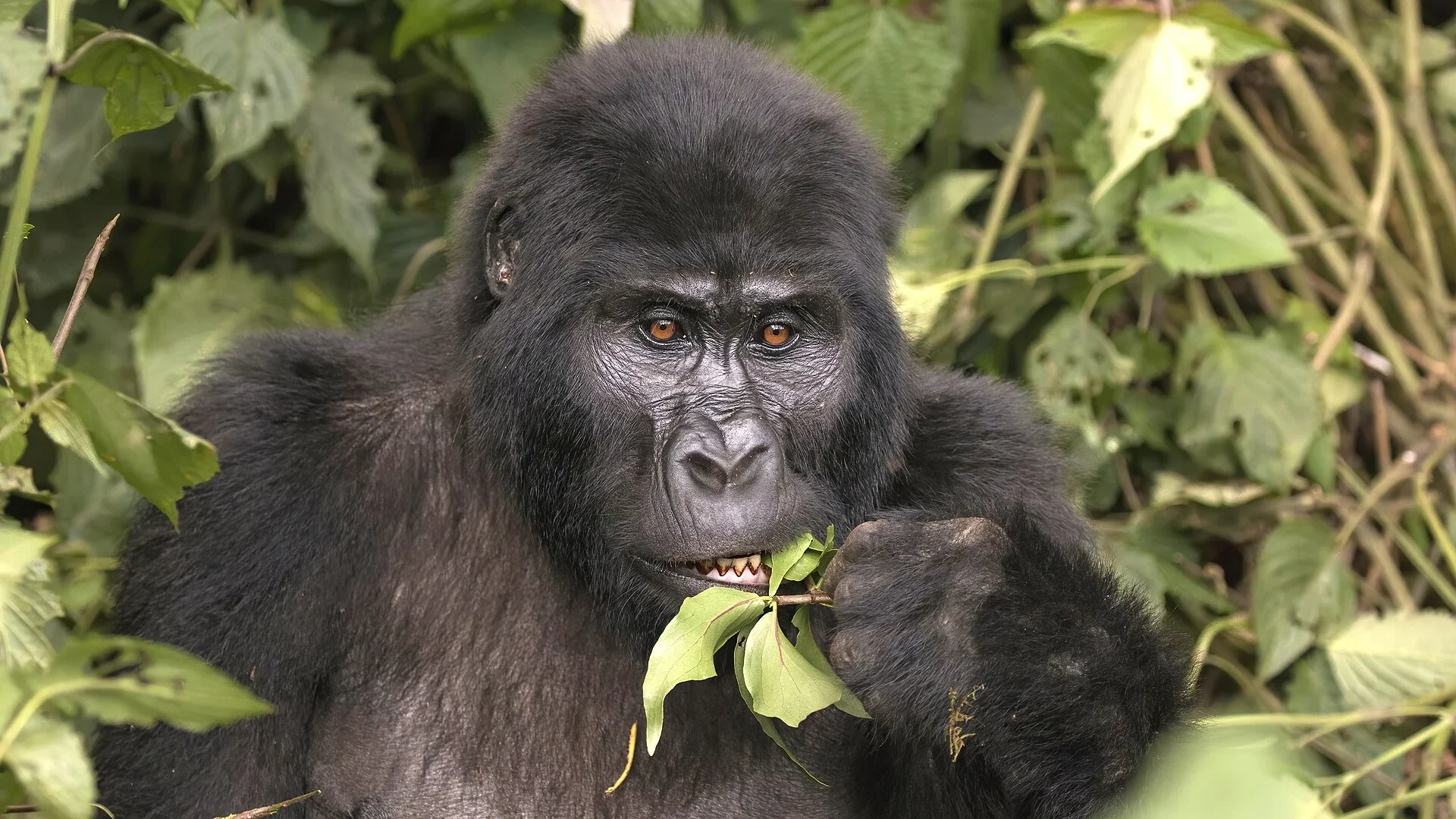
Many birders combine birdwatching with mountain gorilla trekking.
Albertine Rift Endemics
One of the primary reasons birders visit Uganda is the opportunity to observe Albertine Rift endemic species.
These birds occur only within the Albertine Rift region.
Important examples include:
- African Green Broadbill.
- Handsome Francolin.
- Rwenzori Turaco.
- Red-faced Woodland Warbler.
- Grauer’s Swamp Warbler.
Uganda offers some of the best opportunities anywhere to see these highly sought-after species.
Many international birders specifically travel to Uganda for Albertine Rift endemics.
The Legendary Shoebill Stork
No discussion of Uganda birding is complete without mentioning the Shoebill.
This iconic species is:
- One of Africa’s most sought-after birds.
- Among the world’s most photographed bird species.
- A major highlight of most birding itineraries.
Uganda consistently offers some of the highest Shoebill sighting success rates in Africa.
For many birders, observing a Shoebill becomes the defining moment of their safari.
Bird Photography Opportunities
Uganda provides outstanding opportunities for bird photography.
Photographers benefit from:
- High species diversity.
- Colorful birds.
- Varied habitats.
- Professional guiding.
- Excellent lighting conditions.
Small groups allow photographers more flexibility when positioning for images.
This often results in higher-quality wildlife photography experiences.
Best Time for Small Group Uganda Birding Tours
Birdwatching is productive throughout the year.
The most popular birding seasons include:
- December to February.
- June to August.
These periods generally offer:
- Good road conditions.
- Excellent visibility.
- Comfortable travel.
However, wet seasons can also be highly productive due to breeding activity and migratory species.
Typical Tour Duration
Small group birding tours vary in length depending on objectives and target species.
- 5-Day Tours.
- 8-Day Tours.
- 12-Day Tours.
- 15-Day Comprehensive Birding Safaris.
Longer tours allow access to a wider range of habitats and significantly higher species totals.
Many dedicated birders choose extended itineraries to maximize their bird lists.
Typical Costs of Small Group Uganda Birding Tours
Budget Birding Tours
- USD 1,000–2,000 per person.
Midrange Birding Tours
- USD 2,000–5,000 per person.
Luxury Birding Tours
- USD 5,000–10,000+ per person.
Costs vary according to accommodation, itinerary length, transportation, and guide specialization.
Small groups help distribute costs while maintaining excellent guiding quality.
Why Birders Prefer Small Groups
Small groups create a more efficient birding environment.
Advantages include:
- Quieter field conditions.
- Better communication with guides.
- Improved species observation.
- More flexibility.
- Enhanced group interaction.
These benefits often lead to more successful birdwatching experiences.
Many participants develop lasting friendships through shared birding adventures.
Why Book Small Group Uganda Birding Tours with Adventure in the Wild Safaris?
At Adventure in the Wild Safaris, we specialize in expertly organized Small Group Uganda Birding Tours led by experienced bird guides who understand Uganda’s habitats, seasonal movements, vocalizations, and target species. Our itineraries are carefully designed to maximize species diversity while maintaining comfort, flexibility, and exceptional guiding standards.
Whether you are pursuing Albertine Rift endemics, searching for the legendary Shoebill, photographing rare forest species, or simply enjoying Uganda’s remarkable biodiversity, our small group tours provide an ideal balance between affordability and world-class birding experiences.
With its extraordinary bird diversity, stunning landscapes, welcoming communities, and outstanding conservation areas, Uganda remains one of the greatest birdwatching destinations on Earth and a place every serious birder should experience at least once.