
Introduction
The 12 Day Uganda Safari Cost is one of the most frequently researched topics among travelers planning an extended safari adventure in East Africa. A twelve-day itinerary offers the perfect balance between exploration and comfort, allowing visitors to experience Uganda’s most famous wildlife destinations while avoiding the rushed pace often associated with shorter safaris. For many travelers, twelve days provides enough time to enjoy a truly immersive safari experience that combines Uganda Gorilla Trekking, Chimpanzee Trekking Uganda, classic wildlife viewing, cultural encounters, scenic landscapes, and some of Africa’s most spectacular national parks.
Uganda has become one of the continent’s most desirable safari destinations because of the diversity of experiences available within a relatively compact geographical area. Unlike destinations that focus primarily on game drives, Uganda offers travelers the opportunity to encounter endangered mountain gorillas, observe wild chimpanzees, search for the Big Five, cruise along wildlife-rich waterways, explore tropical rainforests, and interact with vibrant local cultures. This diversity makes safari planning more exciting but also more complex when calculating costs.
Many travelers are surprised by the variation in safari prices. Two operators may advertise similar itineraries while presenting dramatically different quotations. The explanation usually lies in the details. Accommodation standards, permit inclusions, transportation methods, guiding quality, seasonal demand, and activity selection all contribute to the final safari price.
Understanding how these elements influence the Uganda Safari Cost helps travelers make informed decisions and select a safari that offers the best possible value for their investment.
Why a 12 Day Safari Is One of the Best Uganda Itineraries
A twelve-day safari provides significantly greater flexibility than shorter itineraries. While seven-day or eight-day safaris often require travelers to prioritize only a few destinations, a 12-day itinerary allows for a more comprehensive exploration of Uganda’s attractions.
Many travelers use twelve days to visit Bwindi Impenetrable National Park, Kibale Forest National Park, Queen Elizabeth National Park, Murchison Falls National Park, and Lake Mburo National Park. This combination creates one of Africa’s most diverse safari experiences because it incorporates mountain gorillas, chimpanzees, savannah wildlife, birdlife, cultural encounters, and dramatic landscapes within a single journey.
The additional time also reduces travel fatigue. Uganda’s attractions are spread across different regions of the country, and longer itineraries allow visitors to spend more time enjoying destinations rather than simply moving between them. This results in a more relaxed and rewarding experience.
For travelers investing in international flights and safari permits, a 12-day itinerary often provides the greatest overall value because it maximizes the number of experiences that can be included during a single trip.
What Determines the 12 Day Uganda Safari Cost?
The final 12 Day Uganda Safari Cost is influenced by numerous factors. Understanding these components helps travelers evaluate quotations more effectively and avoid making decisions based solely on headline prices.
Accommodation is usually one of the largest contributors to safari costs. Uganda offers a wide range of lodging options, from simple budget guesthouses to luxury lodges overlooking forests, rivers, and wildlife habitats. The choice of accommodation can dramatically affect the total cost of a safari.
Transportation is another major factor. A private safari vehicle with an experienced guide provides flexibility, comfort, and personalized service, but also represents a substantial operational expense. Travelers who choose domestic flights instead of road transfers can expect higher costs but benefit from significant time savings.
Activities also play a critical role. Experiences such as Uganda Gorilla Trekking, chimpanzee tracking, boat cruises, nature walks, and cultural visits often require permits and entrance fees. These costs accumulate throughout a twelve-day itinerary and contribute substantially to the overall safari budget.
Travel season further affects pricing. Peak tourism periods generally result in higher accommodation rates and increased demand for permits, while low-season travel often creates opportunities for savings.
Gorilla Permit Costs and Their Importance
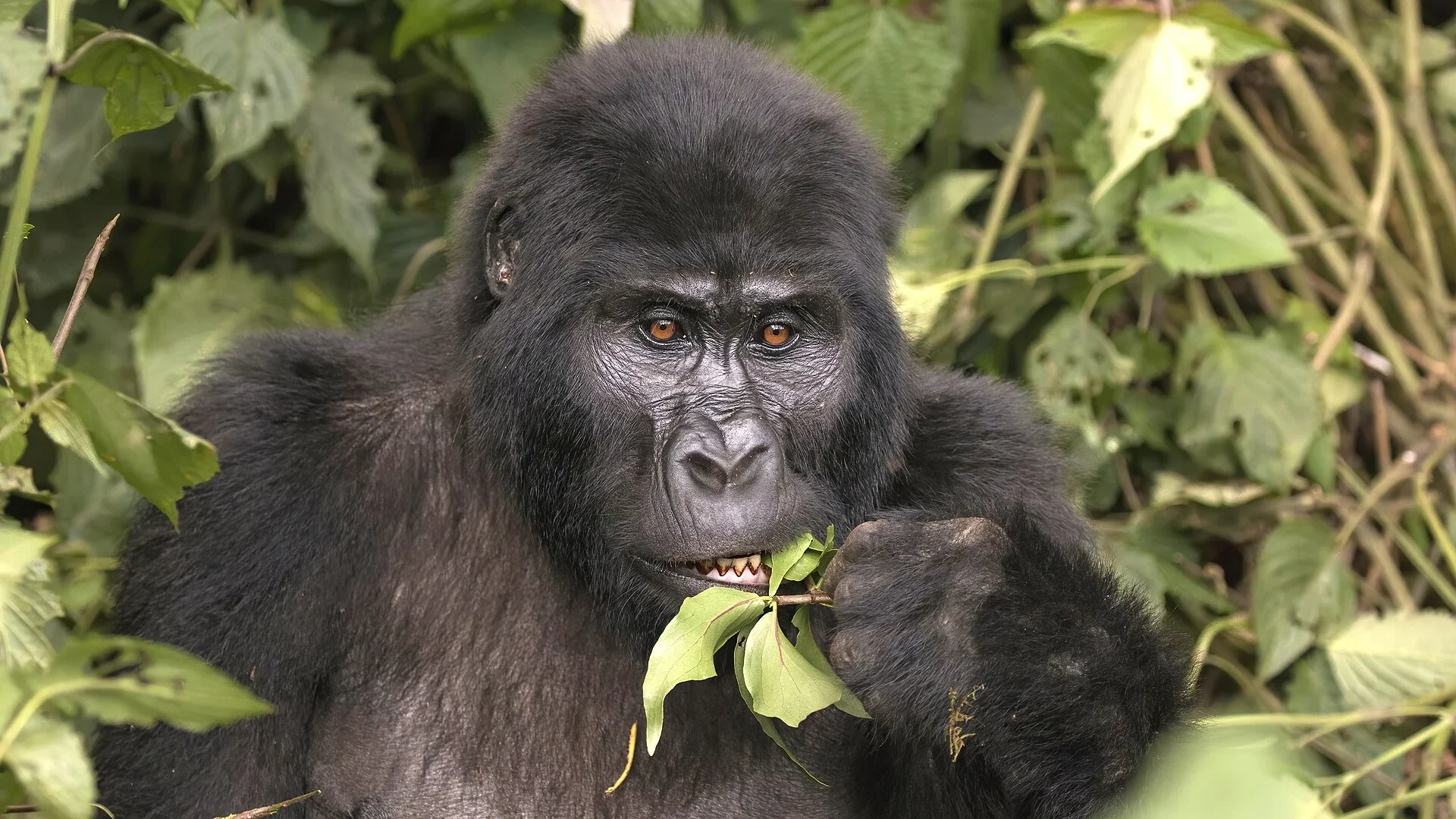
For most international visitors, the highlight of a Uganda safari is the opportunity to encounter mountain gorillas in their natural habitat. Consequently, gorilla permits are one of the most important factors influencing the Uganda Gorilla Safari Cost.
Uganda protects nearly half of the world’s remaining mountain gorillas within Bwindi Impenetrable National Park and Mgahinga Gorilla National Park. Access to these endangered primates is carefully controlled through a permit system managed by the Uganda Wildlife Authority.
Every visitor participating in a gorilla trek must secure a permit in advance. Demand often exceeds supply, particularly during peak travel seasons, making early booking essential. Travelers planning a 12-day safari should prioritize permit availability before finalizing travel dates.
Although gorilla permits represent a significant investment, they support critical conservation efforts. Revenue generated from permits funds ranger salaries, anti-poaching initiatives, veterinary programs, habitat protection, and community development projects surrounding gorilla habitats.
Many travelers describe gorilla trekking as one of the most emotional and memorable wildlife encounters of their lives. The opportunity to observe a mountain gorilla family at close range often becomes the defining moment of an African safari.
Chimpanzee Tracking Costs
Chimpanzee tracking is another highly sought-after activity commonly included in a 12-day itinerary. Chimpanzee Trekking Uganda provides visitors with an opportunity to observe one of humanity’s closest relatives in its natural environment.
The most popular destination for chimpanzee tracking is Kibale Forest National Park, which contains one of Africa’s highest concentrations of primates. Other locations such as Budongo Forest and Kyambura Gorge also offer excellent tracking opportunities.
Chimpanzee permits are generally more affordable than gorilla permits, making them an attractive addition to a safari itinerary. Nevertheless, they remain an important component of the overall Uganda Safari Cost Breakdown.
Travelers who combine chimpanzee tracking with gorilla trekking often gain a deeper appreciation for Uganda’s extraordinary primate diversity and conservation achievements.
Accommodation Costs Explained
Accommodation plays a major role in determining the overall Uganda Safari Cost Per Person. The quality, location, and exclusivity of accommodation significantly influence the final safari budget.
Budget accommodations focus on affordability and practicality. These properties typically provide clean rooms, basic amenities, and convenient access to national parks. Budget accommodation is particularly attractive to travelers who prioritize wildlife experiences over luxury facilities.
Midrange accommodations represent the most popular category among international visitors. These lodges usually offer private bathrooms, comfortable rooms, quality dining, and scenic settings. Midrange properties provide an excellent balance between comfort and affordability.
Luxury accommodations deliver premium experiences through exceptional locations, spacious suites, personalized service, gourmet cuisine, and exclusive amenities. Many luxury lodges occupy prime positions overlooking forests, lakes, or wildlife-rich landscapes.
When comparing safari quotations, accommodation quality often explains a substantial portion of the price difference between packages.
Transportation and Safari Vehicle Costs
Transportation is one of the most significant operational expenses associated with a safari. Uganda’s major attractions are located across different regions of the country, requiring extensive travel throughout an itinerary.
Most professional safari operators use customized 4×4 Land Cruisers equipped with pop-up roofs for wildlife viewing. These vehicles are designed to provide comfort and reliability while navigating Uganda’s varied road conditions.
Transportation costs include vehicle acquisition, maintenance, fuel, insurance, permits, guide salaries, and logistical support. These expenses are essential to delivering a safe and enjoyable safari experience.
Travelers should remember that professional guides play a crucial role in safari success. Their knowledge of wildlife behavior, bird identification, local culture, and conservation often determines the quality of wildlife sightings and overall guest experience.
Road Safari vs Fly-In Safari Costs
A major decision influencing the Uganda Safari Price is whether to travel by road or utilize domestic flights.
Road safaris remain the most popular option because they provide excellent value and allow travelers to experience Uganda’s landscapes, towns, and rural communities. Many visitors enjoy watching the scenery evolve as they travel between destinations.
Fly-in safaris prioritize convenience and efficiency. Domestic flights reduce travel times significantly and allow travelers to maximize time spent enjoying safari activities rather than sitting in vehicles.
However, domestic flights increase overall safari costs. Travelers must therefore weigh the value of additional comfort and time savings against the higher financial investment required.
National Park Fees and Conservation Contributions
National park entrance fees are an essential component of the Cost of Safari in Uganda. These fees directly support conservation programs that protect Uganda’s wildlife and natural ecosystems.
A typical 12-day safari often includes multiple parks, each with its own entrance fees and conservation charges. These fees support ranger patrols, infrastructure maintenance, ecological monitoring, visitor services, and anti-poaching efforts.
Many travelers appreciate the fact that their safari expenditures contribute directly to conservation. Tourism revenue plays a vital role in protecting Uganda’s biodiversity and ensuring the long-term sustainability of wildlife populations.
Hidden Costs Travelers Often Overlook
When calculating the Uganda Travel Cost, travelers frequently focus on safari quotations while overlooking additional expenses.
International airfare is often the largest cost not included in safari packages. Travelers should also budget for visa fees, travel insurance, vaccinations, airport transfers, gratuities, beverages, laundry services, and personal shopping.
Travel insurance deserves particular attention. While it may seem like an optional expense, comprehensive insurance provides valuable protection against unexpected events such as flight disruptions, medical emergencies, or trip cancellations.
Planning for these additional costs helps travelers avoid surprises and ensures a smoother travel experience.
How to Reduce the Cost of a 12 Day Uganda Safari
Travelers looking to reduce expenses can often achieve meaningful savings without compromising the quality of their safari.
Traveling during low season is one of the most effective strategies. Many lodges offer discounted rates during quieter periods, creating opportunities for substantial savings.
Choosing midrange accommodation rather than luxury lodges can significantly reduce costs while still providing excellent comfort and service. Group travel is another effective approach because transportation expenses can be shared among participants.
Booking early can also help secure permits and accommodation before demand increases prices or limits availability.
The goal should be to find the best balance between affordability and experience rather than simply selecting the cheapest option available.
Is a 12 Day Uganda Safari Worth the Cost?
For most visitors, a 12-day safari represents excellent value because it combines multiple world-class experiences within a single itinerary. Few destinations allow travelers to encounter mountain gorillas, chimpanzees, elephants, lions, hippos, crocodiles, buffalo, and hundreds of bird species while also experiencing diverse cultures and landscapes.
The additional days provide a more relaxed pace and allow travelers to appreciate each destination fully. Rather than rushing between parks, visitors can spend meaningful time exploring Uganda’s extraordinary biodiversity.
When viewed as an investment in unique wildlife encounters, conservation support, cultural experiences, and lifelong memories, a 12-day safari is often considered one of the best-value travel experiences available in Africa.
Frequently Asked Questions
How much does a 12 Day Uganda Safari Cost?
The cost depends on accommodation category, transportation style, permit inclusions, and travel season. Budget, midrange, and luxury options are available.
Is a 12-day safari better than a shorter safari?
For travelers wanting a comprehensive experience, twelve days allows more destinations, less rushing, and greater overall value.
Are gorilla permits included in safari prices?
Some operators include permits while others quote them separately. Travelers should always verify inclusions before booking.
What is the biggest expense in a Uganda safari?
Gorilla permits and accommodation are typically the largest cost components.
Is Uganda worth visiting compared to Kenya or Tanzania?
Uganda offers a unique combination of primates, wildlife, birding, culture, and landscapes that make it one of Africa’s most rewarding safari destinations.
Conclusion
The 12 Day Uganda Safari Cost depends on accommodation standards, transportation methods, conservation permits, activities, and seasonal demand. While prices vary significantly, a twelve-day itinerary provides one of the most comprehensive ways to experience Uganda’s wildlife, landscapes, and cultures. Whether travelers choose a budget adventure, a comfortable midrange journey, or a luxury safari experience, Uganda delivers exceptional value and some of the most memorable wildlife encounters available anywhere in Africa.