
Introduction
Understanding the 10 Day Uganda Safari Cost is one of the most important parts of planning a successful safari in East Africa. Every year, thousands of travelers researching Uganda Safaris, Uganda Safari Tours, Uganda Gorilla Trekking, and Uganda Wildlife Safaris begin their journey by trying to determine exactly how much money they should budget for their trip. While Uganda is often considered one of Africa’s best-value safari destinations, the final cost of a safari can vary significantly depending on the type of experience a traveler chooses.
A ten-day safari represents one of the most popular itinerary lengths because it provides sufficient time to explore multiple destinations while maintaining a relaxed pace. Unlike shorter safaris that focus on a single national park or activity, a 10-day itinerary often combines several of Uganda’s most famous attractions. Travelers may visit Bwindi Impenetrable National Park for gorilla trekking, track chimpanzees in Kibale Forest National Park, enjoy game drives in Queen Elizabeth National Park, search for wildlife in Murchison Falls National Park, and relax among the scenic landscapes of Lake Mburo National Park.
One reason many visitors are surprised by safari pricing is that a safari is not simply a hotel booking or transportation arrangement. A safari combines accommodation, professional guiding, vehicle hire, conservation fees, park entrances, permits, fuel, logistics, meals, and activity costs into a single package. Every element contributes to the final price.
This guide provides a detailed breakdown of the 10 Day Uganda Safari Cost, explaining where your money goes, what influences pricing, how to compare safari quotations, and how to choose the best safari for your budget without sacrificing quality.
Why Safari Prices Vary So Much
Many travelers spend weeks comparing safari quotations from different companies and often wonder why prices differ so dramatically. It is not unusual to find one operator advertising a 10 Day Uganda Safari at a significantly lower price than another company offering a seemingly similar itinerary.
The reality is that safari pricing is influenced by numerous variables. Some operators include every activity, permit, and fee within their advertised price, while others separate these costs. Accommodation standards also vary enormously. A luxury lodge overlooking a gorilla forest may cost several times more than a basic guesthouse located nearby, even though both provide access to the same trekking experience.
The quality of transportation also matters. Most reputable operators use well-maintained 4×4 safari vehicles designed specifically for Uganda’s road conditions. These vehicles are expensive to purchase, maintain, insure, and operate. Companies that prioritize safety, reliability, and guest comfort inevitably have higher operating costs than operators who cut corners.
Guide quality is another important factor. Experienced guides possess extensive knowledge of wildlife, conservation, culture, birdlife, and local history. Their expertise often transforms a good safari into an exceptional one. While travelers may initially focus on price, guide quality frequently becomes one of the most memorable aspects of the entire experience.
When comparing safari quotations, it is important to examine what is actually included rather than focusing solely on the headline price.
Average 10 Day Uganda Safari Cost
The average Uganda Safari Cost depends largely on the category of safari selected.
Budget travelers generally focus on minimizing costs while maximizing experiences. These safaris often utilize simpler accommodation, basic facilities, and occasionally shared transport arrangements. While less luxurious, budget safaris still provide access to Uganda’s remarkable wildlife and primates.
Most international visitors choose midrange safaris. These itineraries combine comfortable accommodation, private transportation, professional guiding services, quality meals, and well-planned logistics. Midrange safaris are particularly popular among couples, families, and first-time visitors because they provide excellent value without sacrificing comfort.
Luxury safaris represent the highest tier of travel. These itineraries often feature exclusive lodges, premium service, private guides, luxury vehicles, and domestic flights. Travelers seeking privacy, convenience, and exceptional hospitality often prefer luxury safari experiences.
The important point is that all categories provide access to the same wildlife and national parks. The primary difference lies in the level of comfort, exclusivity, and convenience provided throughout the journey.
Gorilla Permit Costs and Their Impact on Safari Pricing
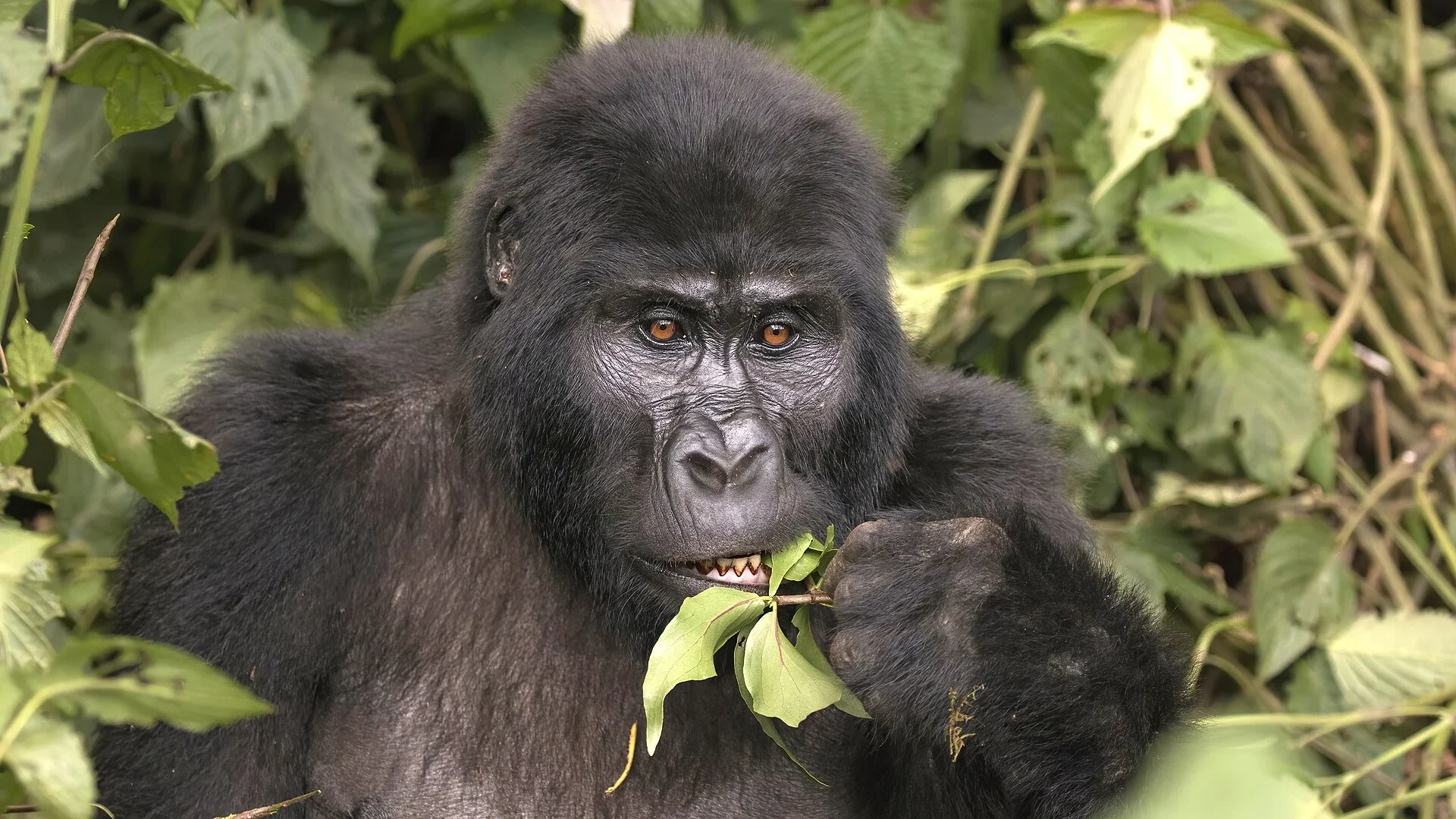
No discussion of the 10 Day Uganda Safari Cost would be complete without examining the role of gorilla permits. For many travelers, Uganda Gorilla Trekking is the main reason for visiting the country and often becomes the highlight of their safari.
Uganda protects nearly half of the world’s remaining mountain gorillas within Bwindi Impenetrable National Park and Mgahinga Gorilla National Park. Because these primates are endangered, access is carefully controlled through a permit system administered by the Uganda Wildlife Authority.
Every visitor participating in a gorilla trek must purchase a permit. The permit grants access to a habituated gorilla family and allows one hour of observation once the gorillas are located. While some travelers initially view permit costs as expensive, most later agree that the experience is worth every dollar.
Permit revenue supports conservation efforts throughout Uganda. Funds are used for ranger salaries, anti-poaching patrols, veterinary interventions, habitat protection, community projects, and research initiatives. As a result, every visitor contributes directly to one of Africa’s most successful conservation stories.
For many itineraries, gorilla permits represent one of the largest individual components of the overall safari budget. Travelers should therefore confirm whether permits are included when comparing safari quotations.
Chimpanzee Trekking Costs
Another popular activity included in many 10-day itineraries is Chimpanzee Trekking Uganda. Chimpanzees are among humanity’s closest relatives, and observing them in the wild offers a fascinating contrast to gorilla trekking.
The most popular destination for chimpanzee tracking is Kibale Forest National Park, which contains one of Africa’s highest concentrations of primates. Visitors can also track chimpanzees in locations such as Budongo Forest and Kyambura Gorge.
Chimpanzee permits contribute to the overall Uganda Safari Cost, although they are generally less expensive than gorilla permits. Many travelers choose to include both activities because together they provide an exceptional primate experience that is difficult to replicate elsewhere in Africa.
Chimpanzee trekking also contributes to conservation and helps generate tourism revenue that benefits both protected areas and surrounding communities.
Accommodation Costs Explained
Accommodation plays a major role in determining the overall Uganda Safari Cost Per Person. The difference between budget, midrange, and luxury accommodation can significantly influence the final safari price.
Budget accommodation typically provides simple but comfortable rooms, private or shared facilities, and essential services. These properties focus on practicality and affordability rather than luxury.
Midrange accommodation represents the most popular category among international travelers. These lodges generally feature comfortable rooms, private bathrooms, attractive locations, quality meals, and attentive service. Many midrange lodges are strategically positioned near national parks, allowing guests to maximize time spent on safari activities.
Luxury accommodation takes the experience to another level. Premium lodges often offer spacious cottages, exceptional views, gourmet cuisine, personalized service, spa facilities, and exclusive settings. Some luxury lodges are considered destinations in their own right and contribute significantly to the overall safari experience.
When evaluating accommodation options, travelers should consider not only room quality but also location, atmosphere, service standards, and overall value.
Transportation Costs During a Uganda Safari
Transportation represents one of the most significant operational costs associated with a safari.
Uganda’s national parks are spread across different regions of the country, requiring substantial travel between destinations. Most safaris use specially modified 4×4 Land Cruisers designed to handle challenging road conditions while providing comfort and excellent wildlife viewing opportunities.
Transportation costs include vehicle purchase, maintenance, fuel, insurance, permits, and driver-guide services. Because safaris often involve thousands of kilometers of travel, these expenses are substantial.
Travelers should remember that professional safari vehicles are specialized tools designed specifically for wildlife tourism. Their cost reflects the level of reliability, safety, and comfort required for successful safari operations.
Road Safaris Versus Fly-In Safaris
One of the most significant decisions affecting the Uganda Safari Price is whether to travel by road or air.
Road safaris remain the most common option because they provide excellent value and allow travelers to experience Uganda’s changing landscapes, local communities, and scenic countryside. Many visitors enjoy the journey itself as an integral part of the safari experience.
Fly-in safaris, by contrast, focus on maximizing convenience and minimizing travel time. Domestic flights connect major safari destinations and can dramatically reduce the time required to move between parks.
While fly-in safaris increase overall costs, they offer advantages for travelers with limited time or those seeking additional comfort. The choice ultimately depends on budget, priorities, and personal travel style.
National Park Fees and Conservation Costs
National park fees are another essential component of the Uganda Safari Cost Breakdown.
Uganda’s protected areas rely heavily on tourism revenue to fund conservation activities. Entrance fees support ranger operations, wildlife monitoring, infrastructure development, anti-poaching programs, and environmental management.
Most 10-day itineraries include visits to multiple parks. Each park charges entrance fees, and these costs accumulate throughout the safari.
Although some travelers initially view park fees as an expense, they play a vital role in preserving Uganda’s wildlife and ensuring that future generations can continue to enjoy these remarkable ecosystems.
Hidden Costs Many Travelers Forget
When budgeting for a safari, travelers often focus exclusively on the package price while overlooking additional expenses.
International flights are frequently one of the largest expenses not included in safari quotations. Visa fees, travel insurance, vaccinations, airport transfers, personal purchases, laundry services, beverages, and gratuities should also be considered.
Travel insurance deserves particular attention. While many travelers view insurance as optional, comprehensive coverage provides valuable protection against unexpected events such as flight disruptions, medical emergencies, and trip cancellations.
Preparing for these additional costs helps prevent unpleasant surprises and ensures a more enjoyable travel experience.
How to Reduce Your Uganda Safari Cost
Many travelers ask whether it is possible to reduce costs without compromising the overall quality of the safari.
One of the most effective strategies is traveling during low season. Accommodation providers frequently offer reduced rates during quieter periods, creating opportunities for significant savings.
Traveling as part of a small group can also lower costs by sharing transportation expenses. Since vehicle hire represents a major operational cost, dividing this expense among multiple travelers often produces substantial savings.
Selecting midrange accommodation rather than luxury lodges is another effective way to reduce costs while maintaining a high-quality experience. Many midrange properties offer excellent service, beautiful locations, and comfortable facilities at a fraction of luxury prices.
Advance booking can also help secure permits and accommodation before demand drives prices higher.
Is Uganda Worth the Cost?
For most visitors, Uganda delivers exceptional value compared to many other safari destinations.
Very few countries offer the opportunity to experience Uganda Gorilla Trekking, Chimpanzee Trekking Uganda, classic wildlife safaris, birdwatching, cultural encounters, and breathtaking scenery within a single itinerary. This diversity allows travelers to enjoy multiple world-class experiences during one trip.
Uganda also remains less crowded than many traditional safari destinations, providing a more intimate and authentic experience. Visitors often appreciate the sense of exploration and discovery that still characterizes travel within the country.
When considering the quality of wildlife encounters, conservation contributions, and personal memories created during the journey, many travelers regard Uganda as one of Africa’s best-value safari destinations.
Frequently Asked Questions
How much does a 10 Day Uganda Safari Cost?
The cost varies depending on accommodation category, activities, transportation style, and season of travel. Budget, midrange, and luxury options are available to suit different travelers.
What is the most expensive part of a Uganda safari?
For itineraries including gorilla trekking, gorilla permits are often among the largest individual expenses.
Are gorilla permits included in safari packages?
Some safari operators include permits while others quote them separately. Travelers should always confirm what is included.
Is Uganda cheaper than Kenya or Tanzania?
Uganda often provides excellent value, particularly for travelers interested in gorillas, chimpanzees, and diverse safari experiences.
Can I do a private safari on a budget?
Yes. Choosing midrange accommodation and traveling during low season can help make private safaris more affordable.
Conclusion
The 10 Day Uganda Safari Cost depends on a wide range of factors including accommodation standards, transportation choices, gorilla permits, chimpanzee permits, conservation fees, and travel season. While safari prices vary considerably, understanding the individual cost components helps travelers make informed decisions and select the experience that best matches their expectations and budget. Whether choosing a budget adventure, a comfortable midrange safari, or a luxury journey through Uganda’s national parks, travelers can expect extraordinary wildlife encounters, unforgettable landscapes, and exceptional value from one of Africa’s most rewarding safari destinations.