Olduvai Gorge is among the most important archaeological sites on Earth — a steep-sided ravine in Tanzania’s Great Rift Valley where Louis and Mary Leakey unearthed fossils and stone tools that rewrote the story of human origins. Nicknamed the “Cradle of Mankind,” the gorge lies within the Ngorongoro Conservation Area (NCA), a UNESCO World Heritage Site, on the scenic road between Ngorongoro Crater and Serengeti National Park.
For travelers building a Northern Circuit safari, Olduvai Gorge offers a profound cultural pause — a chance to stand on ground where hominins walked, hunted, and crafted tools nearly two million years ago. The Olduvai Gorge Museum, perched on the gorge rim, displays skulls, artefacts, and interpretive exhibits, while official guides lead visitors to active excavation viewpoints within the canyon walls.
The Maasai name for the area is Oldupai — referring to a wild sisal plant that grows on the gorge slopes — though the site is widely known by the misspelling Olduvai. Nearby Laetoli, roughly 45 km to the south, preserves 3.6-million-year-old hominin footprints in volcanic ash — among the earliest definitive evidence of upright walking.
Whether you are descending into Ngorongoro for Big Five game drives, tracking the Great Migration across Serengeti plains, or building a multi-country East Africa itinerary, a stop at Olduvai Gorge adds depth that no wildlife sighting alone can provide.
Quick Facts About Olduvai Gorge
| Feature | Details |
|---|---|
| Location | Ngorongoro Conservation Area, northern Tanzania — between Ngorongoro Crater and Serengeti |
| Gorge Length | Approximately 48–55 km along the Great Rift Valley |
| Maximum Depth | ~100 m (328 ft) at deepest point |
| Protected Context | Ngorongoro Conservation Area — UNESCO World Heritage Site (1979); Mixed Site (2010) |
| Management | Ngorongoro Conservation Area Authority (NCAA) |
| Excavations Since | 1930s — Louis and Mary Leakey led decades of fieldwork |
| Key Discoveries | Zinjanthropus skull, Homo habilis, Homo erectus, Oldowan stone tools |
| Laetoli Footprints | 3.6-million-year-old bipedal hominin tracks (~45 km south) |
| Main Visitor Site | Olduvai Gorge Museum and visitor centre on the gorge rim |
| Best Time to Visit | Year-round; dry season (June–October) for comfortable road access |
| Typical Visit Duration | 1–2 hours as a Northern Circuit en-route stop |
Overview of Olduvai Gorge
Olduvai Gorge exposes a remarkably continuous chronicle of human ancestry and Serengeti ecosystem evolution within its layered canyon walls. Over more than 30 years of painstaking excavation, the Leakeys and subsequent researchers recovered well-dated fossils and artefacts spanning roughly two million years — evidence that Africa was the continent where our earliest ancestors evolved.

The gorge is not a standalone national park but an archaeological site within the broader NCA — a 8,292 km² multiple land-use landscape where Maasai pastoralists graze livestock alongside wildlife, and where the annual wildebeest migration moves between Serengeti short-grass plains and NCA highlands without fences. UNESCO extended the NCA’s World Heritage designation to a Mixed Site in 2010 specifically to honour Olduvai Gorge and Laetoli’s cultural significance alongside the area’s natural values.
Most visitors arrive as part of a road transfer between Ngorongoro rim lodges and Serengeti camps — a natural break on the Naabi Hill corridor where giraffes browse beside the track and the museum’s lecture platform overlooks the canyon.
Why Visit Olduvai Gorge?
Cradle of Humankind
Few places on Earth offer such a direct connection to our species’ deep past. Standing on the gorge rim above exposed sedimentary beds, you are looking at layers that preserve the lives of hominins who lived here long before modern humans existed.
Leakey Discoveries That Changed Science
Mary Leakey’s 1959 discovery of the Zinjanthropus (now Paranthropus boisei) skull proved human ancestry in Africa was far older than previously thought. The subsequent find of Homo habilis — “Handy Man” — established the earliest known tool-maker roughly 1.8 million years ago.
Olduvai Gorge Museum
One of Africa’s largest onsite museums presents skulls, stone tools, fossil casts, and interpretive displays. Daily lectures by antiquities guides bring the excavations to life for visitors who may have only minutes between safari drives.
Laetoli Footprint Connection
The 3.6-million-year-old bipedal footprints discovered at Laetoli — attributed to Australopithecus afarensis — are represented at the museum and remain among the most important palaeoanthropological finds ever made.
Perfect Northern Circuit Stop
Olduvai sits directly on the route between Ngorongoro and Serengeti — adding human-origins depth to a wildlife-focused itinerary without a detour.
Top Things to Do at Olduvai Gorge
Visit the Olduvai Gorge Museum
Explore exhibits of hominin fossils, Oldowan stone tools, and Laetoli footprint casts at the rim-top visitor centre.
Explore Olduvai Gorge activities
Attend a Guide Lecture
NCAA antiquities guides deliver daily presentations overlooking the gorge — contextualising the Leakey discoveries and ongoing research.
View the Excavation Sites
Official guides lead visitors to viewpoints within the gorge where active and historic excavation beds are visible in the canyon walls.
Photograph the Gorge Landscape
The rust-red canyon cutting through golden savannah creates striking images — especially in morning light with giraffes on the surrounding plains.
Combine with Shifting Sands and Nasera Rock
Nearby NCA attractions include the magnetic Shifting Sands dune and Nasera Rock — often bundled into the same transfer day.
The Leakey Discoveries at Olduvai Gorge
Louis and Mary Leakey began systematic exploration of Olduvai Gorge in the 1930s, establishing a research programme that would span decades and inspire generations of palaeoanthropologists. Their work demonstrated that East Africa’s Rift Valley preserves an unparalleled fossil record of human evolution.
Landmark finds include:
- Zinjanthropus boisei (1959) — Mary Leakey’s “Nutcracker Man” skull, proving hominins lived here ~1.75 million years ago
- Homo habilis — the first known species attributed with systematic stone tool manufacture (~1.8 million years ago)
- Homo erectus — larger-bodied, larger-brained hominin preceding earliest modern humans
- Oldowan stone tools — simple but deliberate flakes and choppers in deposits 1.6–1.8 million years old
At Laetoli, roughly 45 km south, Mary Leakey’s team discovered 3.6-million-year-old footprints preserved in volcanic ash — three distinct tracks showing upright, bipedal walking by early hominins. Replicas and interpretive material at the Olduvai museum help visitors grasp the significance of these impressions.
Olduvai Gorge Museum and Visitor Centre
The Olduvai Gorge Museum sits on the gorge rim at the junction of the main canyon and a side gorge — one of the largest onsite museums in Africa. Exhibits include original and cast fossils, stone tool assemblages, stratigraphic diagrams explaining the gorge’s geological layers, and displays on Laetoli’s footprint discoveries.
NCAA antiquities guides deliver scheduled lectures from a viewpoint platform overlooking the canyon — a highlight for travelers who want more than a quick photo stop. To visit the actual excavation sites within the gorge, an official guide is required.
Allow 1–2 hours for a meaningful visit — enough for the museum, lecture, and gorge viewpoint. Serious palaeontology enthusiasts may wish to coordinate longer visits through specialised operators.
Wildlife Around Olduvai Gorge
While Olduvai is defined by archaeology, the surrounding NCA plains support living wildlife that often surprises museum visitors. Giraffes are commonly seen browsing near the gorge access road; ostriches, gazelles, and kongoni antelope graze the open grassland. This is Maasai pastoral country — you may encounter herders with cattle alongside wild species.
See our dedicated wildlife and activities at Olduvai Gorge page for more detail on the living landscape.
Read more about wildlife in Olduvai Gorge
Best Time to Visit Olduvai Gorge
Olduvai Gorge can be visited year-round. The site is an en-route stop rather than a multi-day destination, so seasonal choice matters mainly for road comfort on NCA transfers between Ngorongoro and Serengeti.
Dry season (June–October) offers the easiest road conditions and clearest photography light. Green season brings lush plains and fewer vehicles on the Naabi Hill corridor. Full seasonal guidance: best time to visit Olduvai Gorge.
How to Get to Olduvai Gorge
Olduvai Gorge lies on the surfaced road between the Ngorongoro highlands and Serengeti’s Naabi Hill Gate — roughly midway on the classic Northern Circuit transfer.
From Ngorongoro Crater
Descending from rim lodges toward Serengeti, most safaris stop at Olduvai after 1–2 hours on the road — a natural break before continuing to central or southern Serengeti camps.
From Serengeti
Travelers exiting Serengeti via Naabi Hill pass Olduvai en route to Ngorongoro or Arusha — the gorge works equally well as an arrival or departure stop.
Detailed routing: how to get to Olduvai Gorge.
Olduvai Gorge Tours and Itineraries
Standard Northern Circuit
Tarangire, Lake Manyara, Ngorongoro Crater descent, Olduvai Gorge stop, Serengeti game drives — the definitive Tanzania safari arc with human-origins depth built in.
Migration-Focused Itineraries
Pair an Olduvai stop with Ndutu calving (January–March) or northern Serengeti river crossings (July–October) — the gorge adds context to the ancient landscapes the migration still traverses.
Uganda and Tanzania Combinations
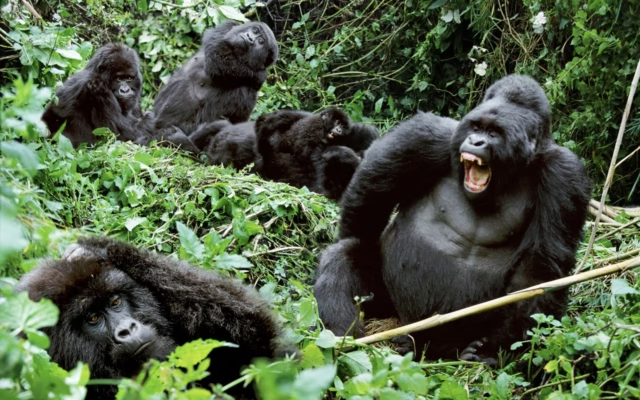
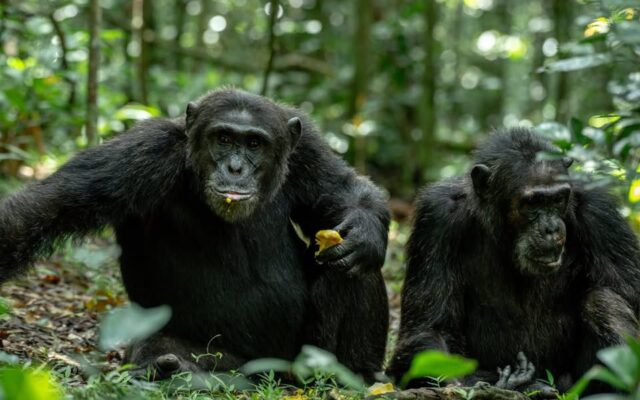
Travelers combining Ngorongoro–Serengeti savannah with gorilla trekking in Uganda often pass Olduvai during NCA transfers — a memorable cultural counterpoint to primate forests.
Olduvai Gorge FAQs
- Is Olduvai Gorge worth visiting?
Yes. Olduvai Gorge is one of the world’s most important palaeoanthropological sites — a compelling stop between Ngorongoro and Serengeti that adds human-origins depth to any Northern Circuit safari.
- What was discovered at Olduvai Gorge?
Louis and Mary Leakey unearthed the Zinjanthropus skull, Homo habilis, Homo erectus remains, and Oldowan stone tools spanning roughly 1.6–1.8 million years. Nearby Laetoli yielded 3.6-million-year-old bipedal hominin footprints.
- How long should I spend at Olduvai Gorge?
Most travelers allow 1–2 hours for the museum, guide lecture, and gorge viewpoints — sufficient for a meaningful en-route stop on Ngorongoro–Serengeti transfers.
- Do I need a guide at Olduvai Gorge?
Yes. An official NCAA antiquities guide is required to visit the excavation sites within the gorge. Museum entry and scheduled lectures are included in standard visitor arrangements.
- Where is Olduvai Gorge located?
Within the Ngorongoro Conservation Area in northern Tanzania, on the road between Ngorongoro Crater and Serengeti National Park‘s Naabi Hill Gate.
- What is the best time to visit Olduvai Gorge?
Year-round. The gorge is a transfer stop — dry season (June–October) offers the most comfortable NCA road conditions between wildlife destinations.
Nearby Destinations to Combine with Olduvai Gorge
Olduvai Gorge sits at the geographic and narrative heart of the Northern Circuit — between crater wildlife, Serengeti migration plains, and the broader NCA conservation landscape.
Ngorongoro Crater
Africa's greatest volcanic caldera — Big Five game drives on the crater floor, typically visited before or after an Olduvai Gorge stop on Northern Circuit transfers.
Ngorongoro Conservation Area
The UNESCO World Heritage landscape that contains Olduvai Gorge — highland plains, Maasai pastoralism, and migration corridors adjoining Serengeti.
Serengeti National Park
Tanzania's flagship savannah park — Olduvai Gorge sits on the scenic road between Ngorongoro and Serengeti's Naabi Hill Gate.
Nearby destinations to combine
Plan Your Olduvai Gorge Visit
Olduvai Gorge transforms a standard Tanzania safari into a journey through deep time — where fossil beds, Leakey discoveries, and Laetoli’s footprints reveal the origins of our species against a backdrop of living Serengeti wildlife.
Whether you are pausing between Ngorongoro and Serengeti, attending a museum lecture, or standing above excavation beds where hominins once walked, Olduvai Gorge tours add irreplaceable cultural depth to any Northern Circuit itinerary.
Our expertly designed Tanzania safari tours integrate Olduvai Gorge stops into realistic transfer days — coordinating museum timing, NCAA fees, and your wider wildlife priorities.