Lake Manyara National Park is one of Tanzania’s most distinctive Rift Valley safari destinations — a narrow corridor between the dramatic western escarpment and the shimmering alkaline waters of Lake Manyara, where groundwater forest, acacia woodland, and open grassland compress extraordinary habitat diversity into a compact TANAPA park. Managed by the Tanzania National Parks Authority (TANAPA), this Northern Circuit jewel is famous worldwide for its tree-climbing lions, vast baboon troops, elephant corridors, and flamingo-dotted lake margins that reward even a single well-planned game drive.
For travelers building Tanzania wildlife safaris from Arusha toward Ngorongoro Crater and Serengeti National Park, Lake Manyara occupies the natural first or second stop on the classic loop — close enough for a half-day visit yet rich enough to justify an overnight at escarpment lodges with panoramic Rift Valley views.
Unlike the endless horizons of Serengeti, Lake Manyara National Park delivers intimacy: mahogany and fig groundwater forest at the entrance where blue monkeys and hornbills move through filtered light; open plains where buffalo and giraffe graze beneath the escarpment wall; and the lake itself — a shallow soda basin stretching fifty kilometres along the valley floor, pink with flamingos when water chemistry aligns. The park’s legendary lions resting in acacia branches remain among East Africa’s most sought-after photographic subjects, even though sightings require patience and local guide knowledge.
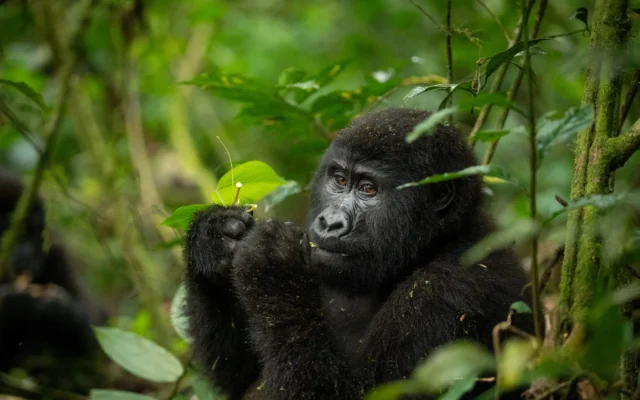
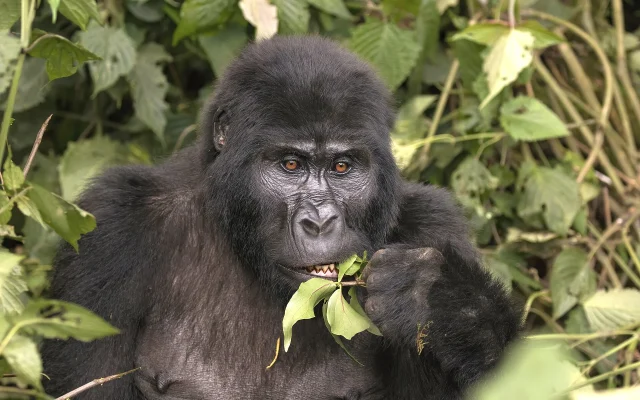
This destination combines naturally with Tarangire National Park, Ngorongoro, Serengeti, Arusha National Park, and Mount Kilimanjaro in a well-planned Northern Circuit route. Travelers building Uganda–Tanzania combinations often pair Manyara with Bwindi Impenetrable National Park or Volcanoes National Park for Rift Valley savannah drama and mountain gorilla trekking in one East Africa journey.
Whether you are planning a compact Arusha weekend safari, a photographic search for tree-climbing lions, or a multi-park Northern Circuit spanning baobab country and caldera Big Five, Lake Manyara safaris deliver Rift Valley scenery, primate encounters, and lake-edge wildlife in a park small enough to explore thoroughly within a day.
Quick Facts About Lake Manyara National Park
| Feature | Details |
|---|---|
| Location | Manyara Region, northern Tanzania — western Rift Valley escarpment, between Arusha and Ngorongoro Highlands |
| Established | 1960 (national park status) |
| Size | Approximately 330 square kilometres (narrow strip along the lake shore) |
| Management | Tanzania National Parks Authority (TANAPA) |
| Lake | Shallow alkaline Rift Valley lake (~50 km long; park protects western shore and escarpment) |
| Key Species | Tree-climbing lions, elephants, buffalo, hippos, giraffes, baboons, flamingos, 400+ bird species |
| Habitats | Groundwater forest, acacia woodland, grassland, alkaline lake, hot springs (southern end) |
| Best Time to Visit | Year-round; dry season (June–October) for lake-shore wildlife; November–April for birds and green scenery |
| Nearest Gateway | Arusha (~126 km) / Kilimanjaro International Airport (JRO) |
| Main Activity | Game drives along the lakeshore and escarpment road |
Overview of Lake Manyara National Park
Lake Manyara National Park protects a uniquely compressed slice of East African ecology along the Gregory Rift — the western wall of the Great Rift Valley rising hundreds of metres above a lake that has no outlet and fluctuates dramatically with rainfall. TANAPA manages the park as part of Tanzania’s Northern Circuit portfolio alongside Tarangire, Serengeti, and Arusha National Park, with entry gates near the bustling market town of Mto wa Mbu — a cultural crossroads where Maasai, Iraqw, Datoga, and other communities converge.
The park’s fame rests on three pillars: tree-climbing lions that lounge in umbrella acacias on hot afternoons; the groundwater forest at the northern entrance fed by springs seeping from the escarpment; and the alkaline lake that concentrates flamingos, pelicans, and waterbirds when water levels suit feeding. Ernest Hemingway famously described Manyara as “the loveliest lake in Africa” — a judgment many visitors still echo from escarpment viewpoints where the Rift Valley unfolds south toward distant volcanoes.

Geologically, Lake Manyara sits in a trough formed by tectonic rifting millions of years ago. The escarpment traps moisture that feeds the groundwater forest even when surrounding savannah dries — creating a green tunnel of ancient fig and mahogany trees where troops of olive baboons, blue monkeys, and bushbuck thrive within minutes of the park gate. Beyond the forest, the road opens onto grassy floodplains and acacia woodland where elephants browse, buffalo wallow, and giraffes silhouette against the cliff face.
The lake itself is shallow and alkaline, fed by streams and groundwater but with high evaporation rates that concentrate salts and support cyanobacteria blooms — the food chain foundation for lesser flamingos. Water levels vary seasonally and across years; some periods expose vast mudflats while others flood tree roots along the shore. This dynamism shapes wildlife distribution and explains why repeat visits across seasons reveal different Manyara faces.
At the park’s southern extremity, Maji Moto hot springs bubble through lake-edge sinter — a geothermal reminder of the volcanic forces still shaping the Rift Valley. The narrow park strip means most game drives follow a single main track between forest and lake, making wildlife encounters feel immediate compared to vaster parks where animals disperse across hundreds of kilometres.
For safari planners, Manyara’s compact scale is strategic: a morning drive fits naturally between Arusha and Ngorongoro on transfer days, or pairs with Tarangire as a two-park introduction before ascending the crater rim. Escarpment lodges outside the park boundary offer sunset panoramas over the lake — among the finest Rift Valley viewpoints accessible on a standard Northern Circuit.
Why Visit Lake Manyara National Park?
Manyara rewards travelers who value habitat diversity, primate drama, and Rift Valley scenery within a manageable park footprint.
Tree-Climbing Lions
Lake Manyara’s tree-climbing lions are among the park’s most iconic — and most debated — attractions. Unlike typical savannah lions that rest on the ground, Manyara prides sometimes sprawl across acacia branches, possibly to escape ground heat, biting flies, or to gain vantage over prey. Sightings are never guaranteed, but patient drives through woodland sections with experienced guides deliver one of East Africa’s most unusual predator photographs.
Groundwater Forest Gateway
The park entrance plunges visitors immediately into a lush groundwater forest — a rare habitat where springs from the escarpment sustain evergreen trees in an otherwise semi-arid landscape. Hornbills, turacos, and monkeys animate the canopy while massive baboon troops patrol the road — often the first wildlife encounter of a Manyara morning.
Rift Valley Lake Spectacle
Lake Manyara delivers classic Rift Valley drama: escarpment walls, shimmering soda water, and flamingo flocks when conditions align. Viewpoints along the road and from external escarpment lodges frame the lake against the valley floor in compositions that define Northern Circuit photography.
Compact Northern Circuit Stop
At roughly 126 kilometres from Arusha, Manyara suits half-day or full-day visits without the multi-hour transfers required for Serengeti. It anchors efficient itineraries linking Tarangire elephant country, Ngorongoro Big Five density, and Arusha logistics.
Exceptional Birding
With more than 400 recorded species, Manyara ranks among Tanzania’s strongest birding parks for a single-day visit — forest specialists at the entrance, raptors on the escarpment thermals, and waterbirds along the lake margin in one continuous drive.
Primate & Elephant Encounters
Olive baboon troops numbering hundreds, blue monkeys, and regular elephant sightings along the forest–plains transition create mammal diversity that complements lion and buffalo viewing on the same circuit.
Top Things to Do in Lake Manyara National Park
Lake Manyara National Park centres on guided game drives along the main park road, but escarpment viewpoints, cultural stops at Mto wa Mbu, and optional lake activities at approved operators extend the experience. TANAPA regulations require licensed guides for commercial safaris; off-road driving is prohibited on standard circuits.
Game Drives Along the Lakeshore
The essential Lake Manyara safari activity is a guided drive from groundwater forest through woodland and grassland to lake margins — searching for tree-climbing lions, elephants, buffalo herds, hippos, and flamingos. Morning entries maximise forest primate activity and predator movement before afternoon heat.
Tree-Climbing Lion Photography
Guides with local knowledge focus acacia woodland sections where lion prides historically rest in branches. Telephoto lenses, patience, and flexible timing improve odds — treat sightings as a highlight rather than a certainty.
Groundwater Forest & Baboon Viewing
The park entrance forest delivers close-range baboon, monkey, and hornbill encounters visible from the vehicle — ideal for photographers and families seeking immediate wildlife immersion.
Lake Margin Birding & Flamingo Watching
Scan alkaline shallows for lesser flamingos, pelicans, storks, and waders. Numbers fluctuate with lake levels; guides adjust routes to current water conditions.
Escarpment Viewpoints
Roadside pullouts and external lodge viewpoints above the park reveal the full Rift Valley scale — lake, forest strip, and plains beneath thousand-metre cliffs.
Mto wa Mbu Cultural Visits
The market town at the park gate offers cultural tours, local lunch experiences, and craft markets — a worthwhile add-on after morning game drives.
Hot Springs (Southern End)
Maji Moto geothermal springs at the park’s southern extremity provide a geological counterpoint to lake and forest habitats on extended drives.
Read full wildlife & things to do guide
Learn more about things to do in Lake Manyara
Wildlife in Lake Manyara National Park
Lake Manyara wildlife thrives across the park’s narrow habitat gradient — from groundwater forest through acacia woodland to alkaline lake shore — concentrating diverse species along a single accessible road corridor.
Tree-Climbing Lions
Manyara’s lions are the park’s signature predators. Prides resting in acacia trees create iconic images; guides know historical stakeouts though behaviour varies seasonally and pride territories shift.
Elephants & Buffalo
Elephants move between forest and lake margins, often visible in family groups along the main track. Buffalo gather in herds on open grassland and woodland edges — reliable sightings on standard drives.
Hippos & Plains Game
Hippos occupy lake-edge pools and river inlets. Giraffes, zebras, wildebeest, impala, and warthog utilise grassland and woodland transition zones beneath the escarpment.
Primates
Massive olive baboon troops dominate the groundwater forest entrance. Blue monkeys and vervet monkeys occur in forest and woodland; bushbuck and other antelope share the understorey.
Lake & Wetland Species
Flamingos, pelicans, hippos, and water-associated mammals concentrate where freshwater meets alkaline shallows — seasonal patterns govern abundance.
Bird Watching in Lake Manyara National Park
With more than 400 bird species recorded, bird watching at Lake Manyara spans groundwater forest specialists, escarpment raptors, and Rift Valley waterbirds along one continuous drive.
Notable species include:
- Lesser flamingo and greater flamingo (lake margins)
- Pink-backed pelican and yellow-billed stork
- Silvery-cheeked hornbill and crowned hornbill (forest)
- African fish eagle and martial eagle
- Saddle-billed stork and goliath heron
- Grey crowned crane and kori bustard
- Pel’s fishing owl (rare forest prize)
- Migratory Palearctic species (November–April)
Bird watching guide for Lake Manyara
Best Time to Visit Lake Manyara National Park
The best time to visit Lake Manyara National Park depends on whether you prioritise dry-season lake-shore wildlife, green-season photography, or migratory birding — the park remains rewarding year-round.
Dry Season (June to October)
Wildlife concentrates along the lake shore as interior water sources diminish. Roads are generally easier; vegetation is shorter for predator viewing. Peak Northern Circuit tourism — book lodges early.
Short Rains (November to December)
Brief rains green the escarpment and stimulate bird activity. Flamingo numbers vary with lake chemistry; forest and primate viewing remain strong.
Long Rains (March to May)
Lush scenery, dramatic skies, and excellent forest birding with fewer vehicles. Some tracks may soften; 4×4 standard. Lake levels often rise, reshaping flamingo distribution.
Calving & Migration Context
Manyara pairs naturally with Ngorongoro Ndutu calving (January–March) or Serengeti migration seasons on broader Northern Circuit itineraries.
Read full best time to visit guide
Weather & Climate in Lake Manyara National Park
Lake Manyara National Park sits at roughly 950–1,000 metres elevation along the Rift Valley floor — warmer than Ngorongoro’s highland rim but cooler than lowland Tarangire during dry season. Afternoon temperatures can feel hot on open grassland; forest sections remain shaded and humid.
Rainfall follows Tanzania’s bimodal pattern: long rains (March–May) and short rains (November–December). The escarpment traps moisture that sustains groundwater forest year-round — a microclimate distinct from surrounding savannah.
Weather & climate in Lake Manyara
How to Get to Lake Manyara National Park
Accessing Lake Manyara National Park is straightforward from Arusha and Kilimanjaro International Airport — among the easiest Northern Circuit transfers.
By Road from Arusha
Road safaris from Arusha reach the main gate near Mto wa Mbu in approximately 1.5 to 2 hours (roughly 126 km) on paved and graded roads — ideal as a first-day park or en-route stop toward Ngorongoro.
From Ngorongoro & Serengeti
Travelers descending from the crater rim or returning from Serengeti via the NCA often pass Manyara on the same day — allow a half-day for game drives before continuing to Arusha or Tarangire.
By Air
Charter and scheduled flights serve Lake Manyara airstrip for fly-in safaris linking Arusha, Serengeti, and other Northern Circuit airstrips. Ground transfers to the park gate are short when pre-arranged.
TANAPA Fees & Entry
TANAPA collects park entry fees at the gate. Licensed operators handle permits, vehicle fees, and guide requirements as part of safari packages.
How to get to Lake Manyara — routes & drive times
Where to Stay at Lake Manyara National Park
Lake Manyara accommodation clusters on the Rift Valley escarpment above the park — lodges and tented camps with panoramic lake views — with additional options near Mto wa Mbu and Karatu for budget and mid-range travellers.
Escarpment Lodges
Luxury and mid-range properties on the cliff rim position guests for sunrise panoramas over the lake and convenient morning park entries — the preferred base for photographers and overnight Manyara-focused itineraries.
Mto wa Mbu & Lakeshore Camps
Options near the gate minimise transfer time for single-day drives from Arusha or Ngorongoro transit days.
Karatu & Northern Circuit Bases
Karatu town on the road toward Ngorongoro offers coffee-farm lodges useful when Manyara is one stop on a multi-park circuit rather than the sole focus.
Book escarpment lodges ahead for June–October peak season.
TANAPA & Conservation
TANAPA manages Lake Manyara as part of Tanzania’s national park estate, balancing tourism access along the narrow park strip with protection of groundwater forest, lake-edge habitats, and threatened species including tree-climbing lion prides. Lake level fluctuations — driven by rainfall and upstream use — affect flamingo feeding and shoreline ecology; responsible tourism supports park revenue that funds anti-poaching patrols and habitat maintenance.
Visitors contribute through TANAPA fees and by following park rules: remain on designated roads, respect wildlife distances (especially baboon troops at the forest entrance), avoid litter, and choose licensed operators who comply with TANAPA regulations.
Lake Manyara Safari Tours
Lake Manyara safari tours range from single-day additions on Arusha–Ngorongoro transfers to dedicated birding and photography itineraries spanning the full Northern Circuit.
1-Day Lake Manyara from Arusha
Morning game drive through forest and lakeshore with afternoon return to Arusha — ideal for short stays or pre-Kilimanjaro wildlife introductions.
2 to 3 Day Manyara & Tarangire
Compact wildlife pairing: baobab elephant country at Tarangire plus Manyara’s forest, lions, and lake scenery.
7 Day Northern Circuit
Classic Tarangire, Manyara, Ngorongoro, and Serengeti combination — Tanzania’s definitive safari template with Manyara as the Rift Valley opener.
Manyara & Gorilla Safari Combinations
Pair Rift Valley savannah with Bwindi gorilla trekking or Volcanoes gorilla trekking — forest primates and lake-edge wildlife in one East Africa arc.
Lake Manyara National Park FAQs
- Is Lake Manyara National Park worth visiting?
-
Yes. Lake Manyara National Park is one of Tanzania’s most rewarding compact parks — tree-climbing lions, groundwater forest, Rift Valley lake scenery, and 400+ bird species in a half-day or full-day drive from Arusha on the Northern Circuit.
- Are tree-climbing lions guaranteed at Lake Manyara?
-
No. Tree-climbing lions are famous at Manyara but sightings are never guaranteed. Experienced guides improve odds by searching acacia woodland sections where prides have historically rested in branches — plan patience and flexible timing.
- How many days do you need at Lake Manyara?
-
One full day (or a half-day morning drive) covers the main park road thoroughly. One overnight at an escarpment lodge suits photographers wanting sunrise panoramas; most Northern Circuit itineraries treat Manyara as a single-day stop between Arusha and Ngorongoro.
- How far is Lake Manyara from Arusha?
-
Approximately 126 kilometres — roughly 1.5 to 2 hours by road to the main gate near Mto wa Mbu, making it one of the most accessible Northern Circuit parks from Arusha and Kilimanjaro International Airport.
- What is Lake Manyara famous for?
-
Lake Manyara is famous for tree-climbing lions, vast baboon troops in groundwater forest, elephants along the escarpment road, flamingos on the alkaline lake, and dramatic Great Rift Valley scenery.
- When is the best time to visit Lake Manyara?
-
Year-round. June–October (dry season) concentrates wildlife along the lake shore; November–April adds migratory birds and lush scenery. Flamingo numbers fluctuate with lake water levels at any season.
- Can I combine Lake Manyara with Ngorongoro and Serengeti?
-
Absolutely. Manyara is a standard Northern Circuit stop — often visited en route from Arusha to Ngorongoro Crater before continuing to Serengeti. Licensed operators sequence drives and permits across TANAPA and NCAA areas efficiently.
- Who manages Lake Manyara National Park?
-
The Tanzania National Parks Authority (TANAPA) administers Lake Manyara National Park — distinct from the NCAA-managed Ngorongoro Conservation Area to the west.
- Is Lake Manyara good for bird watching?
-
Yes. With 400+ species, Manyara excels for forest hornbills, lake flamingos and pelicans, raptors on escarpment thermals, and migratory visitors between November and April.
- Is Lake Manyara National Park safe?
-
Yes. Lake Manyara is a professionally managed TANAPA park visited safely through licensed operators and trained guides. Follow instructions around baboon troops at the forest entrance and standard wildlife viewing distances.
Nearby Destinations to Combine with Lake Manyara National Park
One of the greatest strengths of Lake Manyara National Park is its position on Tanzania’s Northern Circuit — within hours of Ngorongoro’s caldera, Tarangire’s baobabs, Serengeti’s endless plains, and Arusha’s safari logistics hub.
Ngorongoro Crater
The volcanic caldera west of Manyara delivers UNESCO-listed Big Five density, black rhino stronghold status, and crater-floor drama — the natural next stop after a morning Rift Valley drive from Mto wa Mbu.
Tarangire National Park
Baobab-studded savannah with exceptional dry-season elephant concentrations pairs perfectly with Manyara's forest and lake habitats — a classic two-park Northern Circuit opener from Arusha.
Serengeti National Park
The endless plains and Great Migration anchor lie beyond Ngorongoro on the standard Northern Circuit — combine Manyara's compact Rift Valley intimacy with Serengeti's vast savannah scale.
Arusha
Tanzania's northern safari capital and gateway from Kilimanjaro International Airport — where most Lake Manyara road circuits begin, typically reaching the park in under two hours.
Arusha National Park
Momella Lakes, Mount Meru foothills, and colobus forest near Arusha complement Manyara on shorter Northern Circuit introductions — ideal when time is limited before longer transfers west.
Nearby destinations to combine
Plan Your Lake Manyara Safari
Lake Manyara National Park remains one of Tanzania’s most characterful Rift Valley destinations — a TANAPA park where tree-climbing lions, groundwater forest, and flamingo-dotted alkaline water compress East African diversity into a single unforgettable drive.
Whether you are planning a half-day stop en route to Ngorongoro, a dedicated birding morning, a lion photography search, or a full Northern Circuit spanning four iconic parks, Lake Manyara safaris deliver Rift Valley drama at the heart of Tanzania’s safari tradition.
From baboon troops in emerald forest tunnels to lions draped across acacia branches and pink flamingo bands along soda shores, every hour at Lake Manyara deepens your connection to the Great Rift Valley’s living landscapes.
Our expertly designed Tanzania safari tours can be customised to match your schedule, wildlife priorities, travel style, and accommodation preferences.