
21 Day Uganda Safari Cost
The 21 Day Uganda Safari Cost is one of the most important considerations for travelers planning an extended journey through the Pearl of Africa. A three-week safari represents one of the most comprehensive ways to experience Uganda’s extraordinary diversity, allowing visitors to explore multiple national parks, participate in Uganda Gorilla Trekking, enjoy Chimpanzee Tracking Uganda, experience Big Five wildlife safaris, visit cultural communities, enjoy boat cruises, discover spectacular landscapes, and immerse themselves in some of Africa’s most remarkable ecosystems.
Unlike shorter safaris that focus on only a few destinations, a 21-day itinerary provides sufficient time to experience Uganda at a comfortable pace. Travelers can move gradually between destinations, spend more time observing wildlife, participate in additional activities, and enjoy deeper cultural and conservation experiences. This longer duration creates exceptional value because visitors experience a wider range of attractions while maximizing opportunities for meaningful wildlife encounters.
Understanding the Uganda Safari Cost for a 21-day journey requires examining several factors. The total price depends on accommodation standards, gorilla permits, chimpanzee permits, transportation, park entrance fees, domestic flights, travel season, group size, and included activities. Some travelers choose budget-friendly road safaris while others prefer luxury fly-in experiences featuring exclusive lodges and premium services.
This guide provides a detailed overview of the 21 Day Uganda Safari Cost, helping travelers understand pricing structures, budgeting considerations, inclusions, exclusions, and strategies for maximizing value while planning an unforgettable African safari.
Why Choose a 21 Day Uganda Safari?
A three-week safari allows travelers to experience Uganda more thoroughly than almost any other itinerary. While shorter safaris often require prioritizing certain attractions over others, twenty-one days provide enough time to explore the country’s major highlights without feeling rushed.
Visitors can comfortably combine Uganda Gorilla Trekking, Chimpanzee Tracking Uganda, Big Five wildlife safaris, boat cruises, birdwatching, cultural experiences, walking safaris, scenic drives, and relaxation at beautiful lakes and lodges.
The additional time also improves wildlife viewing opportunities. Weather conditions, animal movements, and seasonal changes can influence sightings. Longer itineraries create flexibility and increase chances of observing rare species and memorable wildlife behavior.
For international travelers investing significant time and money in an African safari, a 21-day itinerary often delivers the greatest overall value because it showcases the full range of experiences that make Uganda unique.
Main Components of the 21 Day Uganda Safari Cost
The total Cost of Safari in Uganda consists of several major components. Understanding these elements helps travelers compare safari quotations accurately and avoid misunderstandings during the booking process.
The largest cost categories generally include:
- Gorilla Permits
- Chimpanzee Permits
- Accommodation
- Transportation
- National Park Fees
- Guide Services
- Meals
- Conservation Fees
- Domestic Flights (if applicable)
- Optional Activities
The proportion allocated to each category varies depending on the style of safari selected.
Gorilla Permit Costs
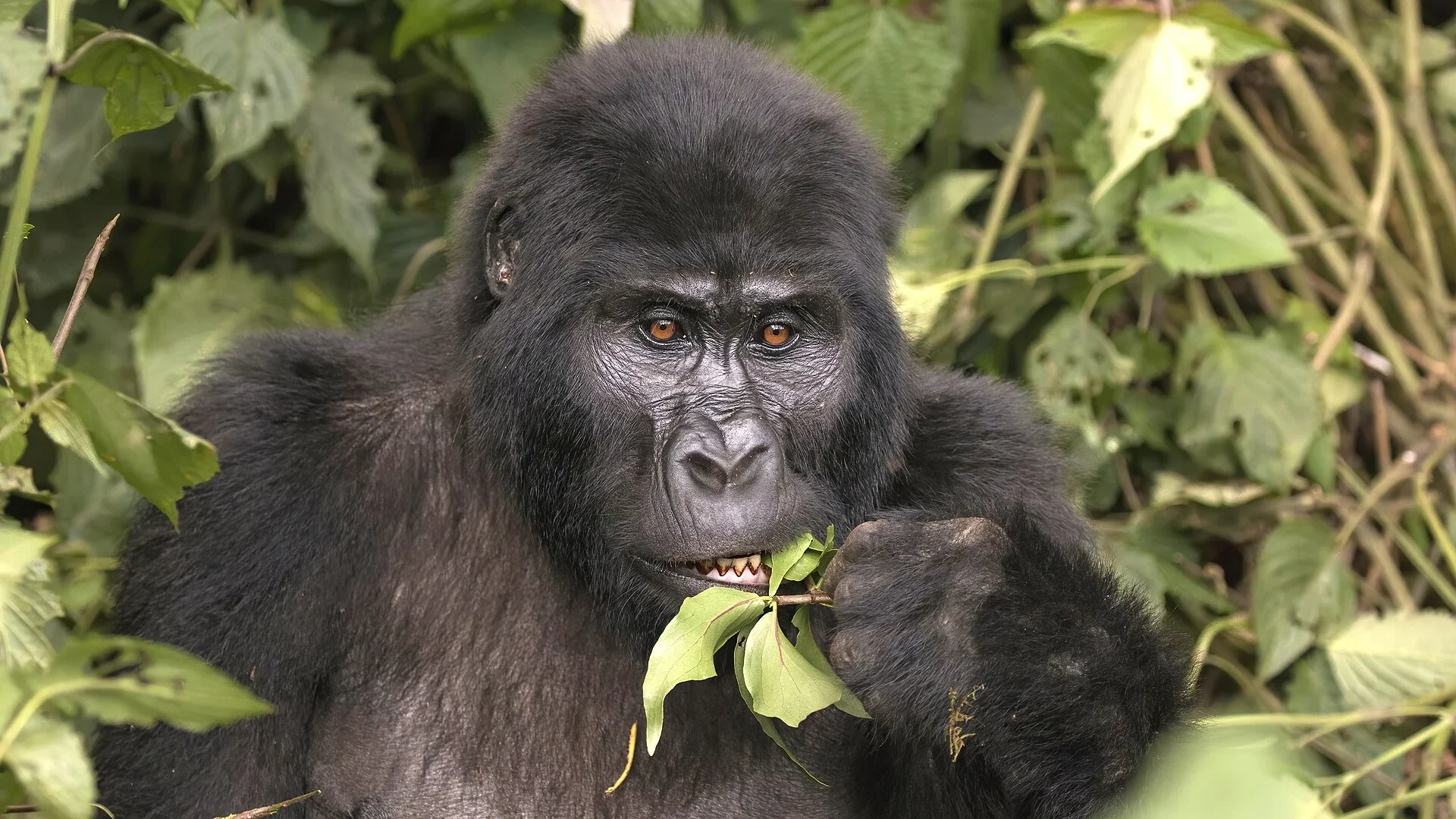
One of the most significant expenses within a Uganda Gorilla Safari Cost is the gorilla permit. Uganda protects nearly half of the world’s remaining mountain gorillas within Bwindi Impenetrable National Park and Mgahinga Gorilla National Park.
Every traveler participating in gorilla trekking must obtain a permit issued by the Uganda Wildlife Authority. These permits support critical conservation initiatives including anti-poaching operations, veterinary care, habitat protection, ranger salaries, and community development projects.
Demand for gorilla permits remains extremely high, particularly during peak travel seasons. Travelers planning a 21-day safari should secure permits as early as possible to ensure availability and allow the rest of the itinerary to be built around confirmed trekking dates.
Although gorilla permits represent a major investment, most visitors describe gorilla trekking as the defining moment of their African safari. Observing a mountain gorilla family in its natural habitat is frequently regarded as one of the most extraordinary wildlife experiences available anywhere in the world.
Chimpanzee Tracking Costs
Most comprehensive three-week safaris also include Chimpanzee Tracking Uganda, usually in Kibale Forest National Park. Chimpanzee permits represent another important component of the safari budget.
Chimpanzees offer a fascinating contrast to mountain gorillas. They are highly active, vocal, intelligent, and social, creating dynamic wildlife encounters that differ significantly from gorilla trekking.
Kibale Forest supports one of Africa’s highest concentrations of chimpanzees and is widely regarded as East Africa’s premier destination for chimpanzee tracking. Many travelers consider the combination of gorilla trekking and chimpanzee tracking to be one of the greatest primate experiences on Earth.
Accommodation Costs
Accommodation is one of the largest variables influencing the Uganda Safari Price. Because a 21-day safari includes multiple overnight stays across different regions of the country, accommodation choices significantly affect the overall budget.
Budget Accommodation
Budget accommodation focuses on affordability while providing essential comfort. These properties typically offer simple rooms, basic facilities, and practical dining services.
Budget safaris appeal to travelers prioritizing wildlife experiences over luxury facilities and represent the most economical way to explore Uganda.
Midrange Accommodation
Midrange lodges are the most popular option among international visitors. They provide comfortable rooms, private bathrooms, quality meals, scenic locations, and professional service while remaining reasonably priced.
Many travelers consider midrange accommodation the best balance between cost and comfort.
Luxury Accommodation
Luxury properties offer premium safari experiences featuring spacious suites, gourmet dining, personalized service, and exceptional locations.
Luxury lodges often occupy some of Uganda’s most scenic sites and significantly enhance the overall safari experience.
Transportation Costs
Transportation represents another major component of the Uganda Tour Cost. Most safari operators use specially equipped 4×4 Land Cruisers designed for wildlife viewing and long-distance travel.
Transportation costs include:
- Fuel
- Vehicle Maintenance
- Insurance
- Driver Salaries
- Road Permits
- Operational Logistics
Because Uganda’s major attractions are spread across the country, transportation forms a significant part of any extended safari budget.
However, road travel also allows visitors to experience local communities, agricultural landscapes, and scenic countryside that would otherwise be missed.
Road Safaris vs Fly-In Safaris
Travelers planning a 21 Day Uganda Safari often choose between road-based itineraries and fly-in experiences.
Road safaris remain the most popular option because they offer excellent value while allowing travelers to experience Uganda’s landscapes and culture between destinations.
Fly-in safaris reduce travel time and increase comfort but also increase overall safari costs. Domestic flights are commonly used on luxury itineraries where maximizing activity time is a priority.
The choice depends on personal preferences, budget, and desired travel style.
National Park Entrance Fees
National park fees contribute directly to conservation efforts and represent an important part of the Uganda Wildlife Safari Cost.
These fees support:
- Wildlife Protection
- Habitat Conservation
- Ranger Patrols
- Research Programs
- Infrastructure Maintenance
- Visitor Services
A 21-day safari typically includes multiple parks, meaning park entrance fees contribute significantly to overall costs.
Most travelers appreciate knowing that their safari directly supports conservation and helps protect Uganda’s extraordinary biodiversity.
Guide Services and Safari Expertise
Professional guides are essential to the success of a safari. Experienced guides possess extensive knowledge of wildlife behavior, bird identification, ecology, conservation, culture, and local history.
Many visitors report that their guide played a major role in shaping the overall quality of their safari experience.
Guide costs are generally included within safari packages, but the quality of guiding can vary considerably between operators. Choosing an experienced safari company often delivers greater value than selecting the cheapest option available.
Additional Costs Travelers Should Consider
When calculating the total Uganda Travel Cost, travelers should also budget for expenses beyond the safari package itself.
These may include:
- International Flights
- Travel Insurance
- Visa Fees
- Vaccinations
- Tips and Gratuities
- Laundry Services
- Personal Purchases
- Alcoholic Beverages
Including these expenses within overall planning helps create a more realistic safari budget.
Budget, Midrange, and Luxury Safari Costs
Budget safaris focus on affordability and efficient logistics. They are ideal for adventurous travelers seeking maximum wildlife experiences while minimizing costs.
Midrange safaris provide the best balance between comfort and value and remain the most popular option among international visitors.
Luxury safaris prioritize exclusivity, comfort, premium accommodation, and personalized service. They appeal to honeymooners, families celebrating special occasions, and travelers seeking the highest standards.
The best option depends on personal preferences, travel goals, and available budget.
How to Reduce the Cost of a 21 Day Uganda Safari
Several strategies can help travelers reduce safari costs while maintaining a high-quality experience.
Travelers may consider:
- Traveling During Lower Seasons
- Choosing Midrange Accommodation
- Joining Small Group Safaris
- Booking Early
- Using Road Transport Instead of Domestic Flights
- Combining Activities Efficiently
Careful planning can significantly improve value without reducing the quality of the safari experience.
Is a 21 Day Uganda Safari Worth the Cost?
For most travelers, a 21-day safari represents exceptional value because of the sheer diversity of experiences included.
Few destinations allow visitors to combine:
- Uganda Gorilla Trekking
- Chimpanzee Tracking Uganda
- Big Five Safaris
- Boat Cruises
- Birdwatching
- Cultural Experiences
- Walking Safaris
- Conservation Activities
within a single itinerary.
For travelers seeking a complete African safari experience, Uganda offers one of the continent’s strongest combinations of wildlife, scenery, culture, and conservation value.
Frequently Asked Questions
How much does a 21 Day Uganda Safari Cost?
The total cost depends on accommodation category, permits, transportation, activities, and travel season.
What is the most expensive component?
Gorilla permits, accommodation, and transportation typically represent the largest expenses.
Are gorilla permits included?
Some safari operators include permits while others quote them separately. Always confirm inclusions before booking.
Is Uganda cheaper than Kenya or Tanzania?
In many cases, Uganda offers excellent value while providing unique wildlife experiences unavailable elsewhere.
Is twenty-one days too long?
No. Twenty-one days allows travelers to experience Uganda’s major attractions comfortably and thoroughly.
Conclusion
The 21 Day Uganda Safari Cost depends on accommodation standards, gorilla permits, chimpanzee permits, transportation, park fees, and travel style. Whether choosing a budget adventure, a comfortable midrange safari, or a luxury expedition, Uganda offers exceptional value and unforgettable experiences. From mountain gorillas and chimpanzees to Big Five wildlife, spectacular landscapes, rich culture, and world-class conservation programs, a three-week safari represents one of Africa’s most rewarding travel investments.