
Introduction
The 14 Day Uganda Safari Cost is one of the most searched topics among travelers planning an extended safari holiday in East Africa. A two-week safari provides the opportunity to experience Uganda's most famous attractions while traveling at a comfortable pace that allows for deeper exploration and greater flexibility. For many visitors, fourteen days represents the ideal safari length because it combines wildlife, primates, landscapes, culture, birdlife, and relaxation into one unforgettable adventure.
Uganda is often referred to as the Pearl of Africa because of its extraordinary diversity. Unlike destinations that focus primarily on traditional game viewing, Uganda offers visitors a remarkable combination of experiences. Travelers can enjoy Uganda Gorilla Trekking in ancient mountain forests, track chimpanzees in tropical rainforests, search for tree-climbing lions, witness the power of the Nile River at Murchison Falls, explore crater lakes, encounter rhinos, and experience vibrant local cultures.
A fourteen-day safari allows travelers to visit multiple destinations including Murchison Falls National Park, Kibale Forest National Park, Queen Elizabeth National Park, Bwindi Impenetrable National Park, Lake Mburo National Park, and the Ziwa Rhino Sanctuary. Some itineraries may even include Mgahinga Gorilla National Park, Semuliki National Park, or cultural experiences in southwestern Uganda.
Understanding the various components that influence the Uganda Safari Cost is essential when planning a safari. This guide explains the major cost factors and helps travelers understand how to maximize value while selecting the safari experience that best matches their budget and expectations.
Why Choose a 14 Day Uganda Safari?
A fourteen-day itinerary provides enough time to explore Uganda comprehensively without feeling rushed. Many travelers discover that shorter itineraries require difficult decisions about which destinations to include and which experiences to exclude.
With fourteen days available, visitors can enjoy longer stays in key destinations, reducing travel fatigue and increasing opportunities for wildlife encounters. Additional days often allow for more game drives, extended primate experiences, cultural interactions, birdwatching excursions, and relaxation at scenic safari lodges.
The extended duration also improves flexibility. Weather conditions, wildlife movements, and permit availability can sometimes affect safari plans. A longer itinerary provides more opportunities to adjust schedules while still enjoying a complete safari experience.
For travelers investing in international airfare and safari permits, a two-week itinerary often provides the best overall return on investment because it maximizes the experiences included within a single trip.
What Determines the 14 Day Uganda Safari Cost?
The final 14 Day Uganda Safari Cost depends on several important factors. Understanding these variables helps travelers compare safari quotations accurately and avoid misunderstandings during the planning process.
Accommodation is one of the most significant influences on safari pricing. Uganda offers a wide range of lodging options, from budget-friendly guesthouses to luxury safari lodges with world-class amenities. The accommodation category selected can dramatically affect the overall safari budget.
Transportation is another major factor. Most safari operators provide customized 4×4 Land Cruisers equipped for wildlife viewing. Fuel, vehicle maintenance, insurance, permits, guide salaries, and logistical support all contribute to transportation costs.
Activities such as Uganda Gorilla Trekking, Chimpanzee Trekking Uganda, boat safaris, nature walks, and cultural visits often require permits and entrance fees. These costs accumulate throughout the itinerary and form an important component of the overall safari budget.
Seasonality also affects pricing. Peak travel periods generally bring higher accommodation rates and increased competition for permits, while low-season travel may offer substantial savings.
Gorilla Permit Costs and Their Impact on Safari Pricing
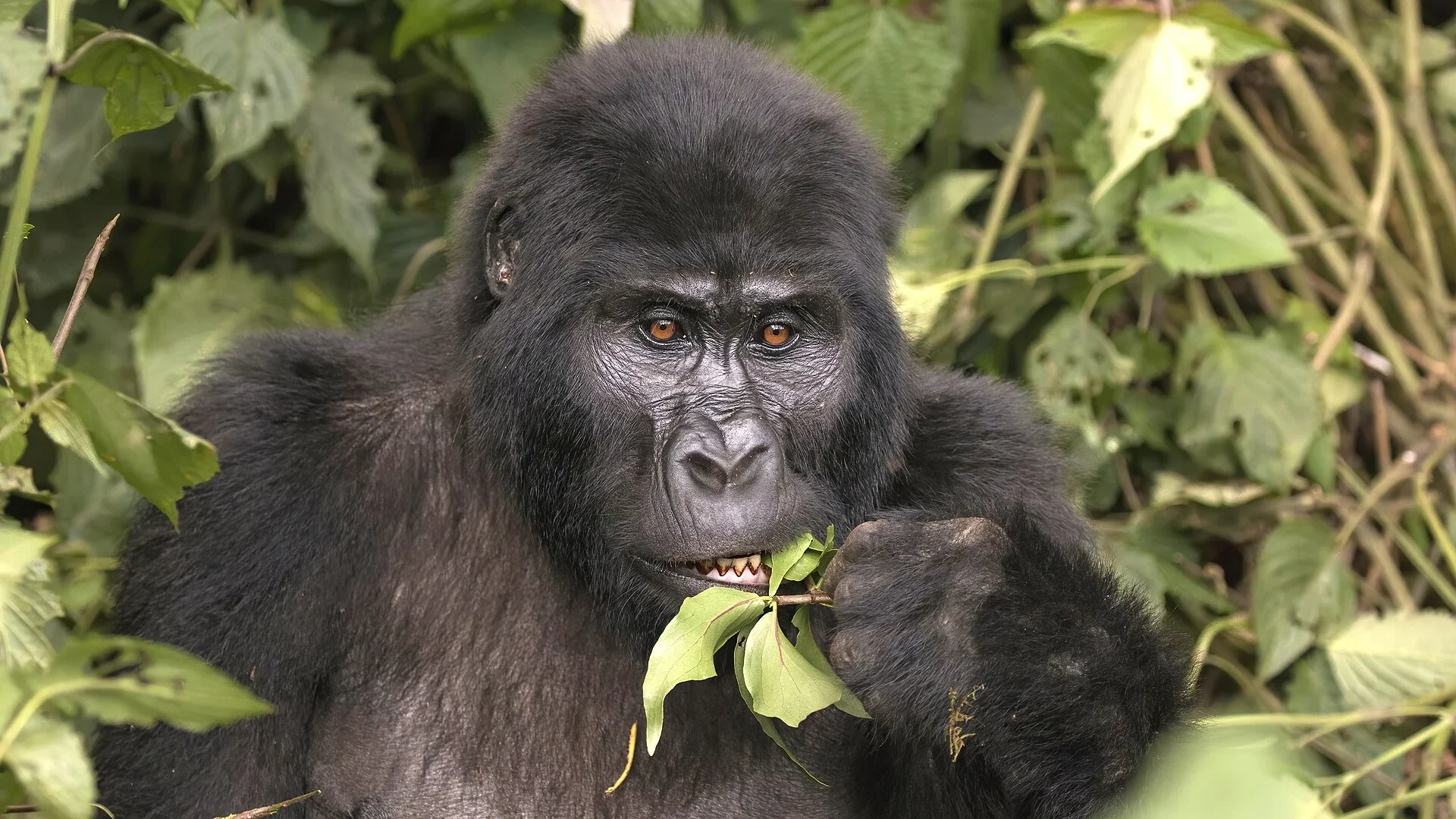
For most international visitors, the highlight of a Uganda safari is Uganda Gorilla Trekking. As a result, gorilla permits represent one of the most significant components of the Uganda Gorilla Safari Cost.
Uganda protects nearly half of the world's remaining mountain gorillas within Bwindi Impenetrable National Park and Mgahinga Gorilla National Park. Access to these endangered primates is carefully managed through a permit system that limits the number of visitors each day.
Every traveler wishing to participate in gorilla trekking must obtain a permit. Demand remains extremely high, especially during peak travel seasons, making early booking essential. Travelers planning a fourteen-day safari are advised to secure permits before confirming other arrangements.
While gorilla permits represent a major expense, they also support conservation efforts. Revenue generated through permits funds ranger salaries, anti-poaching operations, veterinary interventions, habitat protection, conservation research, and community development projects.
Many visitors consider gorilla trekking to be the most rewarding wildlife experience of their lives. Observing a mountain gorilla family in its natural habitat often becomes the defining moment of an African safari.
Chimpanzee Tracking Costs
Another important contributor to the Uganda Safari Cost Breakdown is chimpanzee tracking. Uganda is one of Africa's premier chimpanzee destinations and offers exceptional opportunities to observe these intelligent primates in the wild.
The most popular destination for chimpanzee tracking is Kibale Forest National Park, which supports one of Africa's highest densities of chimpanzees. Visitors often spend several hours following chimpanzee groups while observing their feeding behavior, communication, grooming, and social interactions.
Chimpanzee permits are generally less expensive than gorilla permits but remain an important part of safari budgeting. Many travelers include both activities because they provide complementary experiences and highlight Uganda's remarkable primate diversity.
For wildlife enthusiasts, the combination of gorilla trekking and chimpanzee tracking is one of the strongest reasons to choose Uganda over other safari destinations.
Accommodation Costs During a 14 Day Safari
Accommodation plays a major role in determining the overall Uganda Safari Cost Per Person. Because a fourteen-day itinerary involves multiple overnight stays, lodging choices have a substantial impact on the final budget.
Budget accommodation focuses on affordability and practicality. These properties provide comfortable rooms and essential services while allowing travelers to allocate more of their budget toward activities and experiences.
Midrange accommodation is the most popular option among international visitors. These lodges typically offer private bathrooms, quality dining, comfortable rooms, scenic settings, and attentive service. Many provide excellent value without the premium pricing associated with luxury properties.
Luxury accommodation delivers exceptional experiences through spacious suites, gourmet cuisine, premium service, and breathtaking locations. Some luxury lodges overlook wildlife habitats, forests, lakes, or river systems and significantly enhance the overall safari experience.
Choosing the right accommodation category depends on both budget and personal travel preferences.
Transportation and Guide Costs
Transportation is one of the largest operational expenses associated with a safari. Uganda's attractions are spread across the country, requiring extensive travel between destinations.
Professional safari operators use specially modified 4×4 vehicles designed for wildlife viewing and long-distance travel. These vehicles must be maintained to high standards to ensure reliability, safety, and comfort.
Transportation costs include:
- Fuel
- Vehicle maintenance
- Insurance
- Road permits
- Driver-guide salaries
- Vehicle depreciation
- Operational logistics
Professional guides are among the most valuable components of a safari. Their knowledge of wildlife behavior, bird identification, local culture, conservation, and safari logistics often determines the quality of wildlife sightings and overall guest satisfaction.
Many travelers report that their guide was one of the highlights of their safari experience.
National Park Fees and Conservation Charges
National park fees are an essential part of the Cost of Safari in Uganda. These fees directly support conservation programs and help protect Uganda's wildlife and ecosystems.
A typical 14-day safari includes visits to multiple parks, each charging entrance fees and conservation levies. These funds support ranger patrols, habitat protection, infrastructure maintenance, anti-poaching programs, and visitor services.
Tourism revenue plays a crucial role in preserving Uganda's biodiversity while also generating employment opportunities and supporting local communities.
Visitors often appreciate knowing that their safari expenditure contributes directly to conservation and sustainable tourism initiatives.
Road Safaris Versus Fly-In Safaris
Travelers planning a 14-day safari must decide whether to travel primarily by road or incorporate domestic flights into their itinerary.
Road safaris remain the most popular option because they provide excellent value and allow travelers to experience Uganda's landscapes, villages, and daily life. Many visitors enjoy watching the scenery change as they move between destinations.
Fly-in safaris significantly reduce travel times and maximize the amount of time available for activities. However, domestic flights increase the overall Uganda Safari Price and are typically associated with luxury safari experiences.
The decision depends on budget, available time, and personal preferences regarding convenience and comfort.
Hidden Costs Travelers Should Consider
When planning the overall Uganda Travel Cost, travelers should account for expenses beyond the safari package itself.
Common additional expenses include:
- International flights
- Visa fees
- Travel insurance
- Vaccinations
- Airport transfers
- Tips and gratuities
- Personal purchases
- Laundry services
- Alcoholic beverages
Travel insurance is particularly important because it provides protection against unexpected events such as medical emergencies, flight disruptions, or trip cancellations.
Budgeting for these additional expenses helps create a realistic financial plan and reduces the likelihood of surprises during the trip.
How to Reduce the Cost of a 14 Day Uganda Safari
There are several strategies travelers can use to reduce safari costs without sacrificing the quality of their experience.
Traveling during low season often results in lower accommodation rates and promotional offers. Choosing midrange accommodation rather than luxury lodges can significantly reduce expenses while maintaining excellent comfort and service.
Joining a small group safari is another effective way to lower the Uganda Safari Cost Per Person because transportation expenses are shared among participants.
Booking early can help secure permits and accommodation before availability becomes limited and prices increase.
The key is finding the right balance between affordability and overall safari quality.
Is a 14 Day Uganda Safari Worth the Cost?
For most visitors, a 14-day safari offers exceptional value. Few destinations provide the opportunity to combine Uganda Gorilla Trekking, Chimpanzee Trekking Uganda, Big Five safaris, birdwatching, cultural encounters, scenic landscapes, and conservation experiences within a single journey.
The additional days create flexibility, reduce travel fatigue, and allow visitors to appreciate Uganda's attractions more fully. Travelers often report that two weeks provides enough time to experience the country without feeling rushed.
When viewed as an investment in unique wildlife encounters and lifelong memories, a 14-day Uganda safari remains one of Africa's most rewarding travel experiences.
Frequently Asked Questions
How much does a 14 Day Uganda Safari Cost?
The cost depends on accommodation standards, transportation choices, permit inclusions, activities, and travel season.
Is fourteen days enough to see Uganda?
Yes. Fourteen days provides sufficient time to experience Uganda's major wildlife destinations and attractions comfortably.
Are gorilla permits included in safari packages?
Some operators include permits while others quote them separately. Always verify inclusions before booking.
What is the biggest safari expense?
Gorilla permits, accommodation, and transportation are usually the largest contributors to safari costs.
Is Uganda worth visiting compared to Kenya or Tanzania?
Uganda offers a unique combination of mountain gorillas, chimpanzees, wildlife, birding, culture, and stunning scenery that few destinations can match.
Conclusion
The 14 Day Uganda Safari Cost depends on accommodation category, transportation method, conservation permits, activities, and travel season. While prices vary considerably, a two-week itinerary provides one of the most comprehensive ways to experience Uganda's extraordinary wildlife, landscapes, and cultures. Whether travelers choose a budget adventure, a comfortable midrange safari, or a luxury expedition, Uganda offers exceptional value and unforgettable experiences in one of Africa's most remarkable safari destinations.