
Introduction
A 14 Day Birding Safari Uganda is widely regarded as one of the finest birdwatching experiences available anywhere in Africa. Uganda is often referred to as the Pearl of Africa not only because of its breathtaking scenery and diverse wildlife but also because it hosts one of the highest concentrations of bird species on the planet. With more than 1,090 recorded bird species, Uganda contains nearly fifty percent of Africa's bird population and approximately eleven percent of all bird species worldwide.
For serious birders, wildlife photographers, ornithologists, and nature enthusiasts, a two-week birding safari offers the opportunity to explore Uganda's most productive birding regions while maximizing species diversity. Unlike shorter birding tours that focus on only a few locations, a fourteen-day itinerary allows travelers to visit wetlands, tropical rainforests, montane forests, savannah grasslands, river systems, crater lakes, and papyrus swamps. Each habitat contributes unique species and dramatically increases the overall bird list.
A typical Uganda Birding Safari combines world-famous birding destinations such as Mabamba Swamp, Murchison Falls National Park, Kibale Forest National Park, Queen Elizabeth National Park, Bwindi Impenetrable National Park, and Lake Mburo National Park. These locations provide opportunities to observe iconic species including the Shoebill, African Green Broadbill, Green-breasted Pitta, Rwenzori Turaco, Papyrus Gonolek, African Fish Eagle, and numerous Albertine Rift endemics.
For travelers seeking one of the most rewarding birdwatching holidays in Africa, a 14 Day Birding Safari Uganda delivers an exceptional combination of biodiversity, scenery, accessibility, and unforgettable wildlife encounters.
Why Uganda Is Africa's Premier Birding Destination
Uganda's reputation as a world-class birding destination stems from its extraordinary ecological diversity. The country occupies a strategic position where East African savannah ecosystems, Central African rainforests, and the Albertine Rift mountain chain converge. This geographical advantage creates an incredible variety of habitats capable of supporting a remarkable range of bird species.
Birders visiting Uganda quickly discover that the country offers much more than simply high species numbers. The diversity of habitats means that every day presents new birding opportunities. Wetlands produce completely different species from montane forests, while savannah grasslands reveal birds rarely encountered in rainforest environments.
One of the greatest advantages of birding in Uganda is accessibility. In many countries, birders must travel great distances to reach different ecosystems. Uganda's relatively compact size allows visitors to experience multiple habitats within a single itinerary. This efficiency makes it possible to record hundreds of species during a two-week safari.
Another factor contributing to Uganda's popularity is the quality of local birding guides. Uganda has developed a strong reputation for producing highly skilled bird guides capable of identifying species by sight, sound, habitat, and behavior. Their expertise greatly enhances the overall birding experience and increases the chances of locating rare species.
What Makes a 14 Day Birding Safari Special?
A fourteen-day itinerary provides significantly more opportunities than shorter birding tours. Birdwatching often depends on weather conditions, species movement, habitat accessibility, and timing. Additional days increase flexibility and improve the chances of encountering difficult target species.
Many rare birds require patience and persistence. Species such as the African Green Broadbill, Green-breasted Pitta, and various Albertine Rift endemics are not always easily observed. A longer itinerary allows birders to revisit productive locations and dedicate sufficient time to searching for specialty species.
A 14-day safari also creates opportunities for bird photography. Photographers often require multiple sightings and favorable lighting conditions to capture exceptional images. Extra days increase the likelihood of obtaining high-quality photographs of Uganda's most sought-after species.
For serious birders seeking to maximize their species list, a two-week safari often produces substantially higher counts than shorter itineraries.
Shoebill Tracking at Mabamba Swamp
One of the most anticipated experiences during a Uganda Bird Watching Tour is the search for the legendary Shoebill. This extraordinary bird is among Africa's most iconic species and ranks high on the wish list of birders worldwide.
Mabamba Swamp, located near Entebbe, is widely considered one of the best places in Africa to observe Shoebills. Exploring the wetland by canoe provides excellent opportunities to encounter this prehistoric-looking species while also enjoying close views of numerous other wetland birds.
The Shoebill's enormous bill, unique appearance, and fascinating hunting behavior make it one of the most memorable birds encountered during any African safari. Watching a Shoebill patiently stalk prey through papyrus channels is an unforgettable experience.
In addition to Shoebills, Mabamba supports species such as Papyrus Gonolek, Blue-breasted Bee-eater, Malachite Kingfisher, Long-toed Lapwing, African Jacana, Goliath Heron, and African Pygmy Goose.
Murchison Falls National Park Birding
Murchison Falls National Park is not only Uganda's largest national park but also one of its most productive birding destinations. The park's combination of savannah, woodland, wetlands, and riverine habitats supports an impressive variety of bird species.
Birders frequently encounter Abyssinian Ground Hornbills, Secretary Birds, Saddle-billed Storks, Martial Eagles, Black-headed Lapwings, and numerous kingfisher species. The Nile River corridor attracts waterbirds and raptors, creating exceptional birdwatching opportunities.
The famous boat cruise to the base of Murchison Falls is particularly rewarding. Along the riverbanks, birders can observe African Fish Eagles, Goliath Herons, African Skimmers, Pied Kingfishers, and various bee-eaters.
The diversity of habitats within Murchison Falls National Park often results in high daily species counts, making it an essential component of any serious birding itinerary.
Kibale Forest National Park Birding
Kibale Forest National Park is best known for chimpanzee tracking, but experienced birders recognize it as one of Uganda's most important forest birding destinations.
The forest contains more than 375 bird species and supports several highly sought-after forest specialists. Dense vegetation, mature trees, and rich biodiversity create ideal conditions for numerous rare species.
Birders visiting Kibale often target the Green-breasted Pitta, one of Africa's most desirable birding species. Other notable birds include Black Bee-eaters, White-naped Pigeons, Yellow-spotted Barbets, Purple-breasted Sunbirds, and Blue-headed Sunbirds.
Because forest birding often requires patience and careful observation, additional days within a 14-day itinerary greatly increase the chances of successful sightings.
Queen Elizabeth National Park Birding
With more than 600 recorded bird species, Queen Elizabeth National Park ranks among the most important birding destinations in Africa.
The park's remarkable species diversity results from its wide range of habitats, including savannah grasslands, wetlands, crater lakes, forests, and river systems. This ecological variety attracts both resident and migratory birds.
One of the highlights of birding in Queen Elizabeth National Park is the Kazinga Channel. This waterway supports extraordinary concentrations of waterbirds and offers excellent viewing opportunities from boat safaris.
Species commonly observed include African Skimmers, Great White Pelicans, Pink-backed Pelicans, Saddle-billed Storks, African Spoonbills, Grey Crowned Cranes, Verreaux's Eagle-Owls, and numerous kingfishers.
For bird photographers, the Kazinga Channel often provides some of the best photographic opportunities in Uganda.
Bwindi Impenetrable National Park and Albertine Rift Endemics
For many birders, the highlight of a Bwindi Birding Safari is the opportunity to search for Albertine Rift endemic species.
Bwindi Impenetrable National Park contains more than 350 bird species and protects one of Africa's most important montane forest ecosystems. The park is internationally recognized as one of the best places to observe birds that occur nowhere else on Earth.
Target species include:
- African Green Broadbill
- Regal Sunbird
- Archer's Robin-Chat
- Rwenzori Batis
- Strange Weaver
- Red-throated Alethe
- Handsome Francolin
- Shelley's Crimsonwing
Many international birders visit Uganda specifically to search for these rare species.
Because some Albertine Rift endemics are notoriously difficult to locate, a 14-day itinerary provides valuable additional time for focused searches.
Lake Mburo National Park Birding
Lake Mburo National Park provides a unique contrast to Uganda's forest environments. The park's acacia woodlands and open grasslands support numerous species that are difficult to find elsewhere in the country.
Birders often search for Red-faced Barbets, African Finfoots, Brown-chested Lapwings, Southern Ground Hornbills, Rufous-bellied Herons, and Bare-faced Go-away Birds.
The open habitats of Lake Mburo make bird observation and photography easier than in dense forests. Many species can be observed at relatively close range, creating excellent opportunities for photographers.
Bird Photography Opportunities
A Uganda Bird Photography Tour offers exceptional opportunities for capturing images of some of Africa's most spectacular bird species.
Photographers can expect opportunities to photograph:
- Shoebills
- Turacos
- Sunbirds
- Bee-eaters
- Hornbills
- Kingfishers
- Eagles
- Cranes
- Weavers
- Rollers
The diversity of habitats ensures an equally diverse range of photographic subjects. Early morning and late afternoon light often produce ideal conditions for bird photography.
Best Time for a 14 Day Birding Safari Uganda
Birding is productive throughout the year, but seasonal conditions can influence species activity and accessibility.
The dry seasons, typically from June to August and December to February, provide easier access to forest trails and excellent travel conditions. These months are particularly popular among international birders.
The wetter seasons bring different advantages, including breeding plumage, increased bird activity, and the arrival of migratory species. Many photographers appreciate the lush landscapes and vibrant colors associated with these periods.
Regardless of season, Uganda remains one of Africa's most reliable year-round birding destinations.
Frequently Asked Questions
How many bird species can I expect to see during a 14 Day Birding Safari Uganda?
Many birders record between 400 and 600 species during a well-planned fourteen-day itinerary, depending on locations visited and seasonal conditions.
What is Uganda's most famous bird?
The Shoebill is Uganda's most iconic bird and one of Africa's most sought-after birding species.
Is Uganda suitable for beginner birders?
Yes. Uganda offers excellent birding infrastructure, knowledgeable guides, and a wide range of easily observable species.
What are Albertine Rift Endemics?
Albertine Rift endemics are bird species found only within the Albertine Rift mountain region. Uganda is one of the best places in the world to observe them.
Can birding be combined with gorilla trekking?
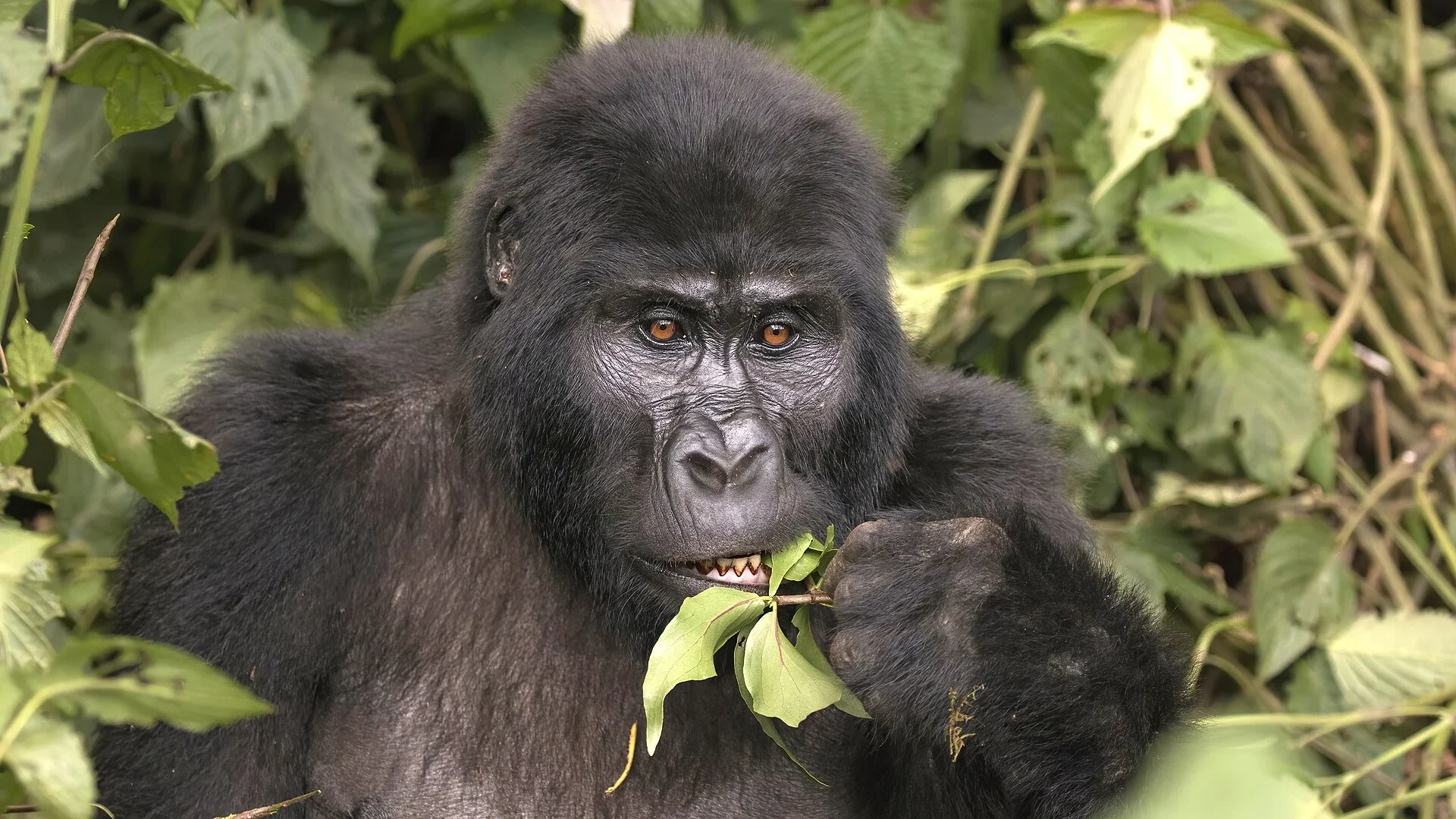
Absolutely. Many visitors combine Uganda Birding Safaris with Uganda Gorilla Trekking for a comprehensive wildlife experience.
Conclusion
A 14 Day Birding Safari Uganda offers one of the most rewarding birdwatching adventures available anywhere in the world. With more than 1,090 bird species, diverse habitats, world-famous Shoebill tracking, exceptional bird photography opportunities, and access to rare Albertine Rift endemics, Uganda consistently exceeds the expectations of visiting birders. Whether your goal is photography, species accumulation, conservation appreciation, or simply experiencing Africa's extraordinary biodiversity, a fourteen-day birding safari provides an unforgettable journey through one of the continent's greatest wildlife destinations.