
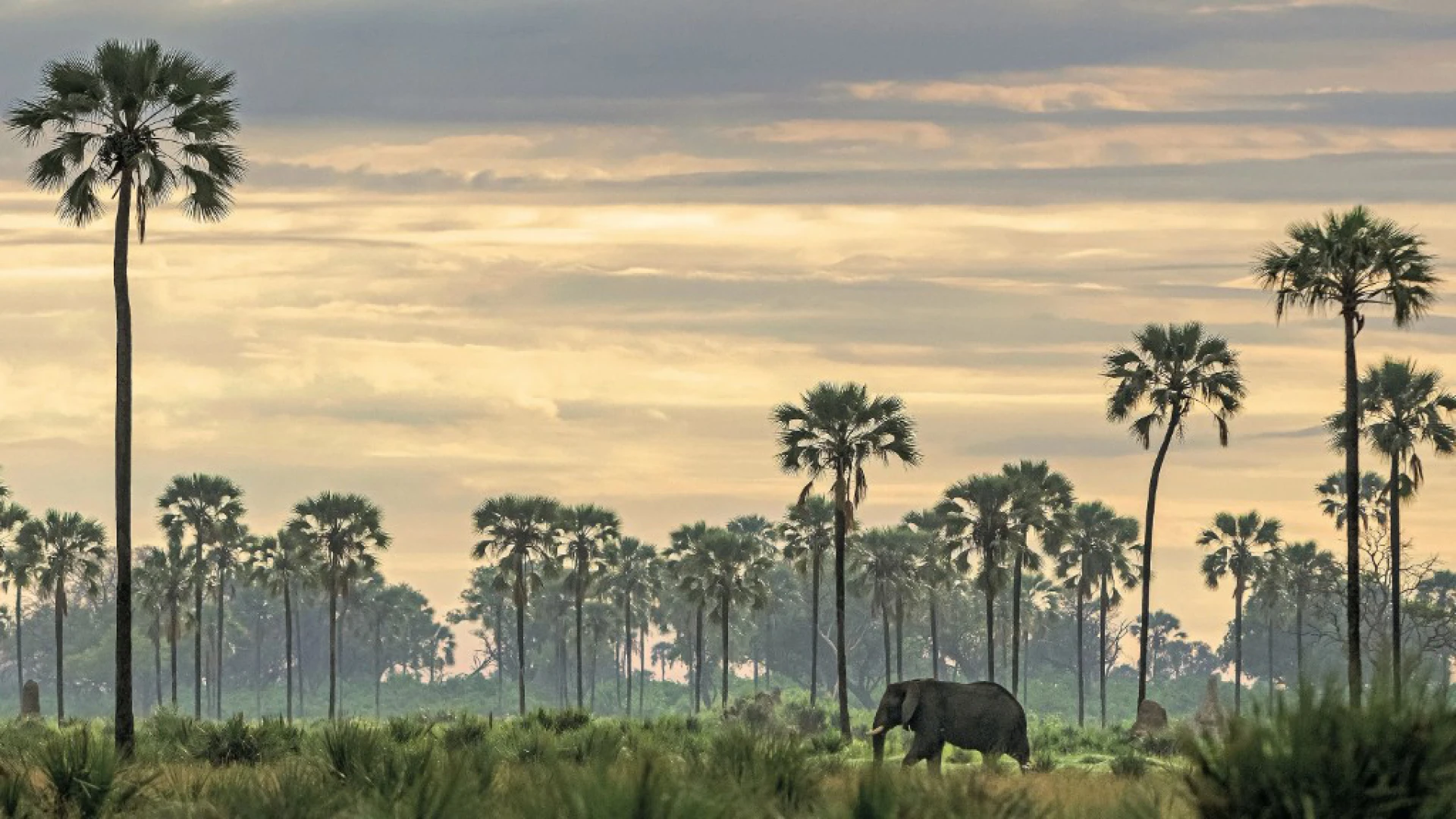
Direct answer
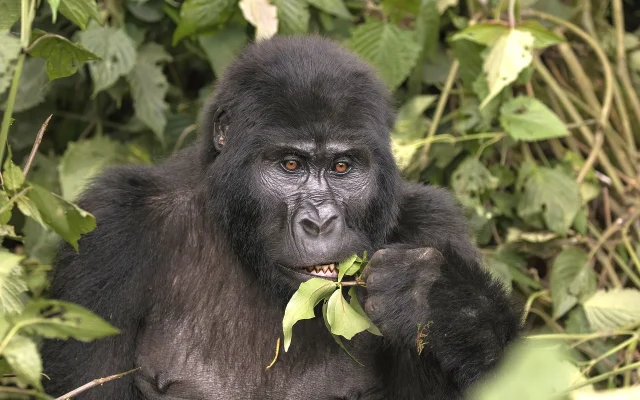
Regulated gorilla trekking has a net positive conservation impact when permits are limited and revenue is reinvested. Uganda's 0 permit funds anti-poaching patrols, veterinary care, and community revenue-sharing — roughly 20% of park fees support villages around Bwindi and Mgahinga. Mountain gorilla numbers have risen from roughly 620 in 1989 to over 1,060 today, largely because tourism made protecting gorillas more valuable than poaching or habitat conversion.
Quick facts
- Full expanded guidance for this topic is updated regularly by our safari planners.
- Gorilla and chimp permits should be secured early in peak season.
- Licensed safari operators handle park fees, guides, and in-country support.
- Travel insurance with medical evacuation is strongly recommended.
Recommended Uganda safari tours
 Best
Seller
Best
Seller
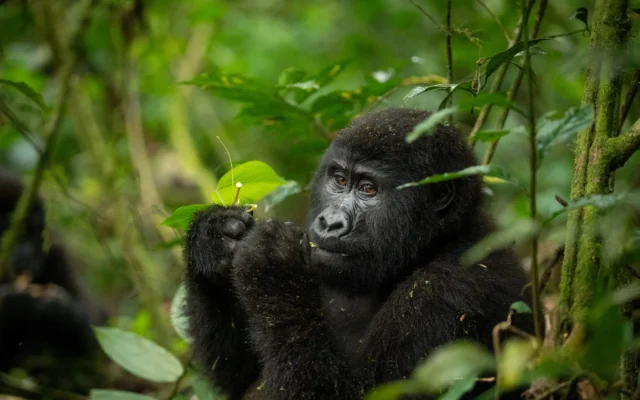
3 Day Uganda Gorilla Trekking Safari
You visit: Entebbe (Start), Bwindi Impenetrable National Park, Bwindi Impenetrable National Park, Entebbe
Uganda · Mountain gorillas · Bwindi focus
 Best
Seller
Best
Seller
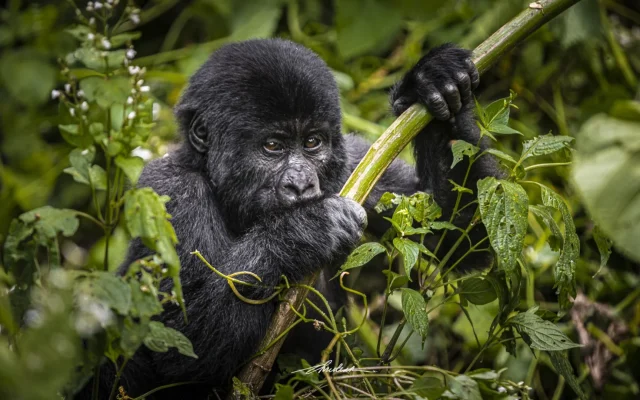
5 Day Gorilla & Chimp Safari
You visit: Entebbe (Start), Kibale National Park, Bwindi Impenetrable National Park, Entebbe (End)
Uganda · Gorillas & habituated chimps
 Best
Seller
Best
Seller
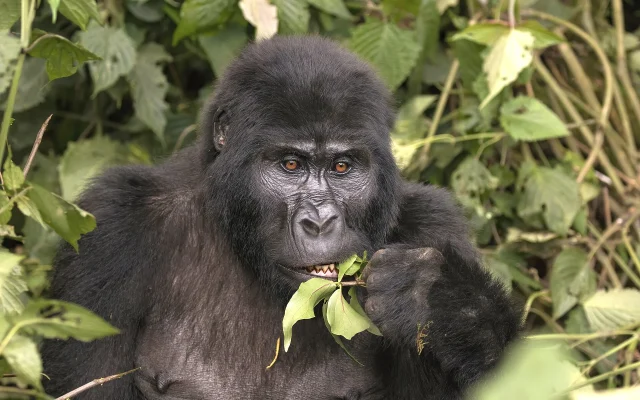
6 Day Gorillas, Chimps & Wildlife
You visit: Entebbe (Start), Kibale Forest, Queen Elizabeth NP, Bwindi Impenetrable Forest
Uganda · Primates & savannah wildlife
 Best
Seller
Best
Seller
7 Day Uganda Wildlife & Gorilla
You visit: Entebbe (Start), Murchison Falls NP, Kibale Forest, Queen Elizabeth NP
Uganda · Nile, chimps, wildlife & gorillas
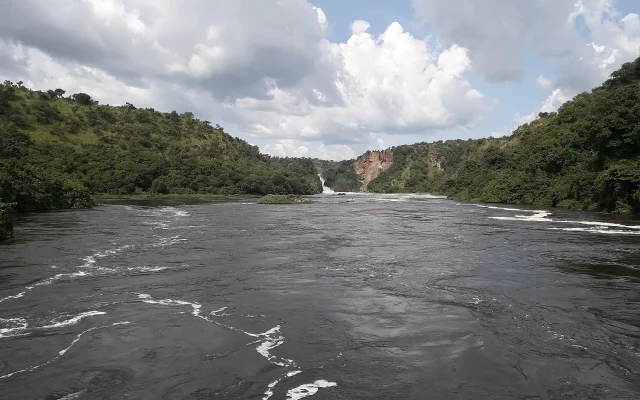
3 Day Murchison Falls Safari
You visit: Entebbe (Start), Murchison Falls NP, Entebbe (End)
Uganda · Nile boat & Big Five potential
10 Day Ultimate Uganda Safari
You visit: Entebbe (Start), Murchison Falls NP, Kibale Forest, Queen Elizabeth NP
Uganda · Extended flagship circuit
Need expert help planning your trip? Share your dates and interests — we design gorilla, wildlife, and birding itineraries with transparent pricing.