
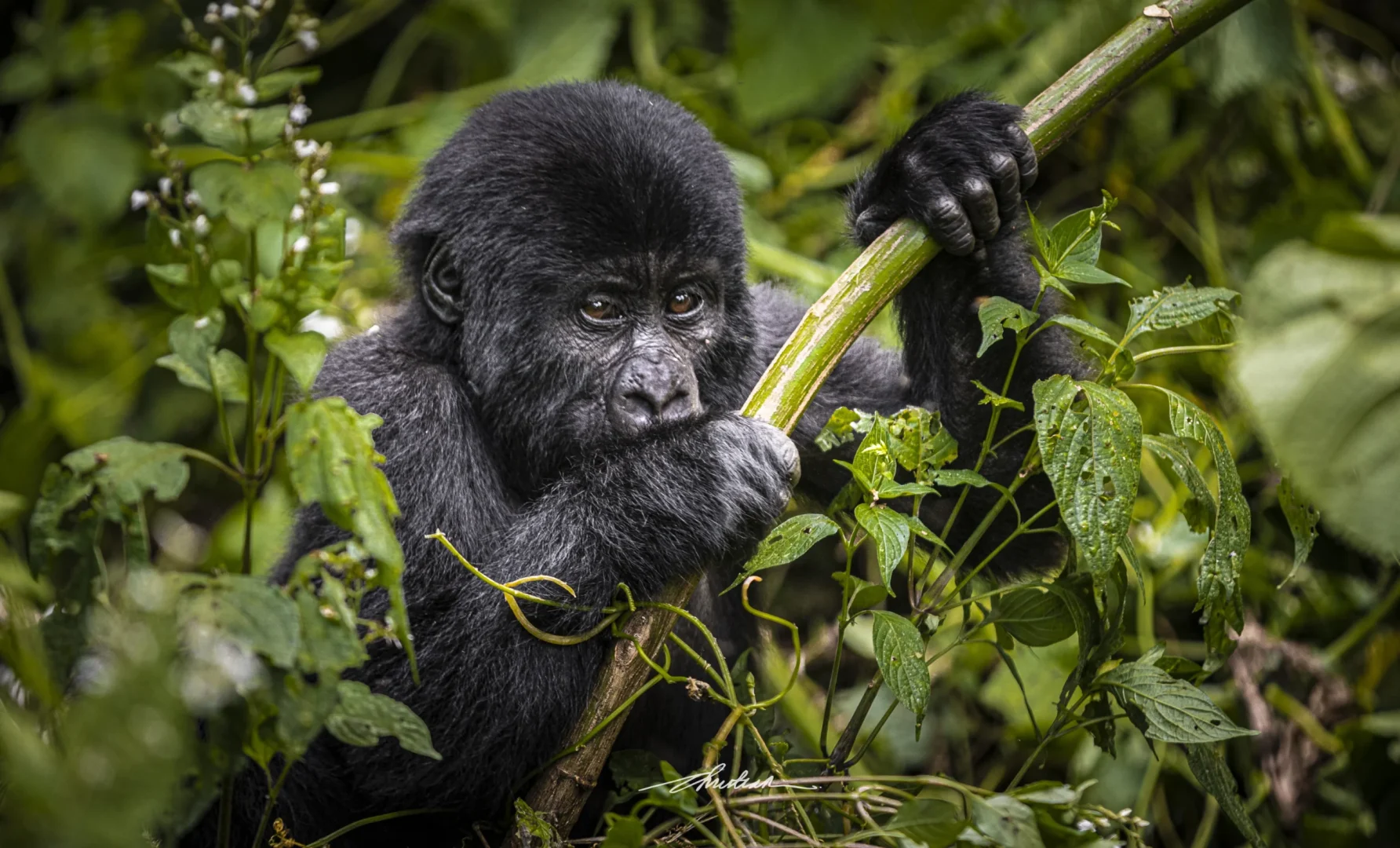
Chimp Trekking in March
Chimp Trekking in March offers travelers a unique opportunity to experience Uganda’s remarkable primates during one of the country’s most scenic and biologically productive periods of the year. March marks the beginning of Uganda’s long rainy season, transforming forests into lush green ecosystems filled with abundant wildlife, flowering plants, active birdlife, and thriving primate communities. Although many travelers focus on the dry months, experienced safari enthusiasts often consider March one of Uganda’s hidden gems for chimpanzee tracking because of its beautiful landscapes, reduced visitor numbers, excellent permit availability, and rewarding wildlife encounters.
Uganda is widely recognized as one of Africa’s leading destinations for chimpanzee tourism. The country hosts approximately 5,000 wild chimpanzees distributed across protected forests, national parks, and conservation areas. These highly intelligent primates share nearly 99% of their DNA with humans and display complex social structures, communication systems, emotional intelligence, hunting behaviors, and problem-solving abilities. Watching chimpanzees in the wild provides a fascinating glimpse into the evolutionary connection between humans and our closest living relatives.
March offers a distinctly different safari experience compared to the peak dry-season months. Forests are greener, waterfalls flow more strongly, bird activity increases, and visitor numbers are generally lower. While occasional rainfall is expected, these conditions contribute to the overall beauty and ecological richness of Uganda’s rainforest environments.
For travelers seeking authentic wildlife experiences, fewer crowds, lush scenery, and excellent value for money, chimp trekking in March is an outstanding choice.
Why Choose Chimp Trekking in March?
March represents the start of Uganda’s long rainy season, but this should not discourage travelers from visiting. In fact, many wildlife enthusiasts specifically choose March because it offers a more intimate and natural safari experience.
One of the biggest advantages of March is the significant reduction in tourist numbers compared to the peak months of June through September and December through February. This often results in smaller trekking groups, quieter forests, greater accommodation availability, and a more personal connection with nature.
March is also an excellent time for photography. The forests become exceptionally lush, mist often drifts through the trees during the mornings, and dramatic skies create unique photographic opportunities rarely available during the dry season.
Many lodges and tour operators also offer seasonal discounts during March, making it one of the best months for travelers seeking affordable chimpanzee trekking experiences.
What Is Chimpanzee Trekking?
Chimpanzee trekking is a guided wildlife activity that allows visitors to enter protected forests and search for habituated chimpanzee communities living in their natural environment.
The experience begins with a briefing by trained rangers who explain chimpanzee behavior, conservation regulations, safety procedures, and trekking expectations.
Visitors then enter the forest accompanied by experienced guides and trackers who use chimpanzee vocalizations, feeding signs, nesting locations, and local knowledge to locate the animals.
Once the chimpanzees are found, visitors spend time observing them as they move through the forest, communicate, groom one another, forage for food, care for infants, and engage in social interactions.
Unlike many wildlife experiences where animals may remain distant, chimpanzee tracking often provides close and dynamic encounters that leave lasting impressions on visitors.
Best Places for Chimp Trekking in March
Kibale Forest National Park
The most famous destination for chimp trekking in March is Kibale Forest National Park, often referred to as the primate capital of East Africa.
Kibale is home to more than 1,500 chimpanzees and supports the highest density of primates on the continent. Covering approximately 795 square kilometers, the park protects tropical rainforest, woodland, grassland, and wetland ecosystems.
March transforms Kibale into a vibrant green paradise. Rainfall stimulates plant growth, fruit production, and wildlife activity throughout the forest.
Chimpanzee sightings remain excellent during March, and visitors often encounter additional primate species such as:
- Red Colobus Monkeys.
- Black-and-White Colobus Monkeys.
- Grey-Cheeked Mangabeys.
- Blue Monkeys.
- L’Hoest’s Monkeys.
- Olive Baboons.
For travelers seeking the most reliable chimpanzee encounters in Uganda, Kibale remains the top destination regardless of season.
Budongo Forest Reserve
Located near Murchison Falls National Park, Budongo Forest offers another outstanding chimpanzee tracking experience during March.
The forest is famous for:
- Large chimpanzee populations.
- Ancient mahogany trees.
- Rich biodiversity.
- Exceptional birdlife.
- Well-established tracking programs.
March rainfall enhances the beauty of Budongo’s forest environment, creating lush scenery and vibrant ecosystems.
Many travelers combine chimpanzee tracking in Budongo with wildlife safaris and boat cruises in nearby Murchison Falls National Park.
Kyambura Gorge
Situated within Queen Elizabeth National Park, Kyambura Gorge offers one of Uganda’s most unique chimpanzee tracking environments.
This spectacular forested canyon cuts through open savannah and creates a striking contrast between rainforest and grassland ecosystems.
March rainfall enhances the lush vegetation within the gorge, creating a dramatic and beautiful landscape for exploration.
Chimpanzee tracking in Kyambura can easily be combined with game drives, lion tracking, and boat cruises in Queen Elizabeth National Park.
Kalinzu Forest Reserve
Kalinzu Forest is an increasingly popular destination for chimpanzee tourism due to its excellent tracking success rates and affordability.
The reserve offers:
- Reliable chimpanzee encounters.
- Lower permit costs.
- Smaller visitor numbers.
- Excellent biodiversity.
- Beautiful rainforest scenery.
March conditions contribute to lush forest landscapes and active wildlife throughout the reserve.
Weather Conditions in March
March marks the beginning of Uganda’s long rainy season. Rainfall becomes more frequent, particularly in western and southwestern Uganda where many chimpanzee destinations are located.
Average daytime temperatures generally range between:
- 20°C to 29°C (68°F to 84°F)
Although rain showers become more common, they rarely last throughout the entire day. Most rainfall occurs during afternoons, evenings, or overnight periods, leaving ample opportunities for trekking and wildlife viewing.
The forests become cooler, greener, and more visually striking during this time, creating exceptional conditions for nature lovers and photographers.
How Rain Affects Chimpanzee Tracking
A common misconception is that rain negatively affects chimpanzee sightings. In reality, chimpanzees remain active throughout the year and continue their daily activities regardless of seasonal weather changes.
Experienced guides maintain excellent tracking success rates during March, and sightings remain highly reliable across Uganda’s major chimpanzee destinations.
The primary difference is that trails may become muddy or slippery in certain areas, making proper footwear especially important.
Many travelers discover that the lush scenery and reduced visitor numbers more than compensate for occasional rain showers.
Advantages of Chimp Trekking in March
Visitors choosing March enjoy several unique benefits:
- Lower accommodation rates.
- Seasonal safari discounts.
- Fewer tourists.
- Excellent permit availability.
- Lush rainforest scenery.
- Outstanding photography opportunities.
- Strong birdwatching activity.
- Authentic wilderness experiences.
These advantages make March one of the best-value months for chimpanzee tourism in Uganda.
Chimpanzee Behavior During March
Chimpanzees remain highly active during March and continue to display a wide range of natural behaviors.
Visitors commonly observe:
- Social grooming.
- Fruit foraging.
- Communication through vocalizations.
- Play among juveniles.
- Mother-infant interactions.
- Territorial displays.
- Tree climbing.
- Group movement through the forest.
The abundance of food resources during the rainy season often contributes to active and engaging chimpanzee encounters.
Birdwatching During Chimp Trekking in March
March is one of the most productive birdwatching months in Uganda’s forests. Rainfall stimulates breeding activity, insect abundance, and food availability for many bird species.
Visitors frequently encounter:
- Great Blue Turacos.
- African Grey Parrots.
- Hornbills.
- Greenbuls.
- Sunbirds.
- Kingfishers.
- Forest Robins.
- Flycatchers.
Bird enthusiasts often consider March one of the most rewarding months for forest birding.
Photography Opportunities in March
March offers some of the most dramatic photography conditions of the year.
Photographers benefit from:
- Lush green forests.
- Dramatic mist and clouds.
- Rich rainforest colors.
- Flowing streams and waterfalls.
- Active wildlife.
- Reduced visitor numbers.
The atmospheric conditions created by rainfall and humidity often result in truly unique and memorable images.
What to Pack for Chimp Trekking in March
Proper preparation is essential for comfort during March.
Recommended items include:
- Waterproof hiking boots.
- Rain jacket.
- Long trousers.
- Long-sleeved shirts.
- Insect repellent.
- Waterproof backpack cover.
- Hat.
- Extra socks.
- Binoculars.
- Camera equipment.
- Reusable water bottle.
Quick-drying clothing is particularly useful because of the increased humidity and occasional rainfall.
Combining Chimp Trekking with Other Safari Activities
March remains an excellent month for multi-destination safaris.
Popular safari combinations include:
- Gorilla Trekking in Bwindi
- Murchison Falls National Park Safaris
- Queen Elizabeth National Park Game Drives
- Birdwatching Tours
- Cultural Experiences
- Boat Safaris
- Nature Walks
Travelers willing to embrace occasional rainfall are often rewarded with exceptional wildlife encounters and lower overall safari costs.
Is March a Good Month for Chimp Trekking?
March is an excellent month for chimpanzee tracking, particularly for travelers seeking fewer crowds, lush scenery, lower costs, and authentic rainforest experiences.
Although rainfall increases compared to the dry season, chimpanzee sightings remain highly reliable, and the forests become exceptionally beautiful and biologically productive.
Many experienced safari travelers consider March one of Uganda’s most underrated safari months and a fantastic time to experience the country’s rainforests at their most vibrant.
Book Your Chimp Trekking Safari in March with Adventure in the Wild Safaris
Adventure in the Wild Safaris specializes in customized Chimp Trekking in March itineraries throughout Uganda’s leading primate destinations. Our experienced team designs safaris that maximize wildlife encounters while taking advantage of seasonal opportunities such as lower prices, reduced crowds, and spectacular rainforest scenery.
Whether you choose Kibale Forest, Budongo Forest, Kyambura Gorge, Kalinzu Forest, or a multi-destination Uganda safari, we will create a personalized itinerary tailored to your interests, schedule, and budget.
March offers a unique perspective on Uganda’s rainforests and primates. With lush landscapes, thriving ecosystems, and exceptional wildlife encounters, it remains one of the most rewarding times of year to experience chimpanzee trekking in Uganda.