
Direct answer
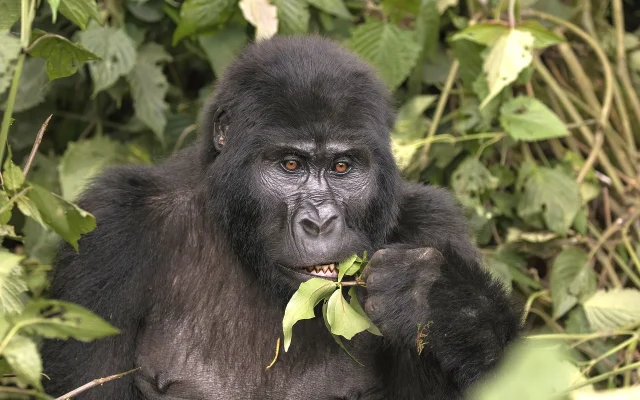
Gorilla tourism finances the daily protection of habituated families — ranger salaries, tracker teams, veterinary interventions, and habitat patrols are largely permit-funded. In Uganda, UWA shares 20% of park revenue with communities, funding schools, health clinics, and alternative livelihoods that reduce bush-meat poaching. Permit caps (eight visitors per family, one hour per day) limit disturbance while generating roughly 0,000+ daily across Bwindi's 140+ slots at full occupancy.
Quick facts
- Full expanded guidance for this topic is updated regularly by our safari planners.
- Gorilla and chimp permits should be secured early in peak season.
- Licensed safari operators handle park fees, guides, and in-country support.
- Travel insurance with medical evacuation is strongly recommended.
Recommended Uganda safari tours
 Best
Seller
Best
Seller
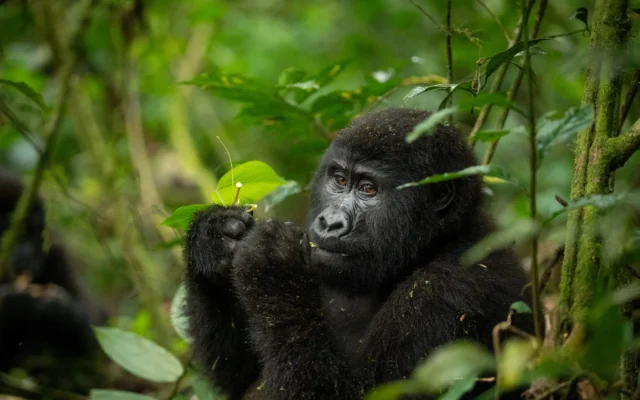
3 Day Uganda Gorilla Trekking Safari
You visit: Entebbe (Start), Bwindi Impenetrable National Park, Bwindi Impenetrable National Park, Entebbe
Uganda · Mountain gorillas · Bwindi focus
 Best
Seller
Best
Seller
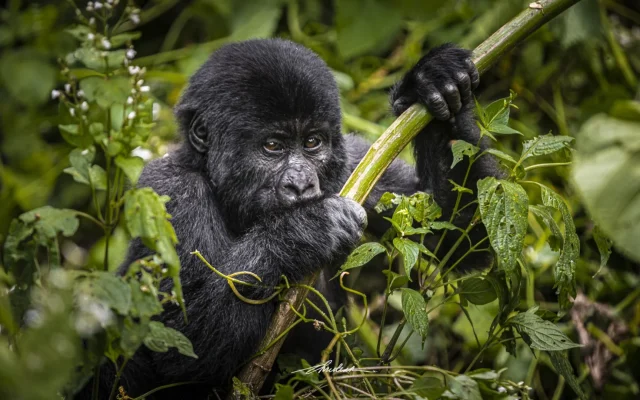
5 Day Gorilla & Chimp Safari
You visit: Entebbe (Start), Kibale National Park, Bwindi Impenetrable National Park, Entebbe (End)
Uganda · Gorillas & habituated chimps
 Best
Seller
Best
Seller
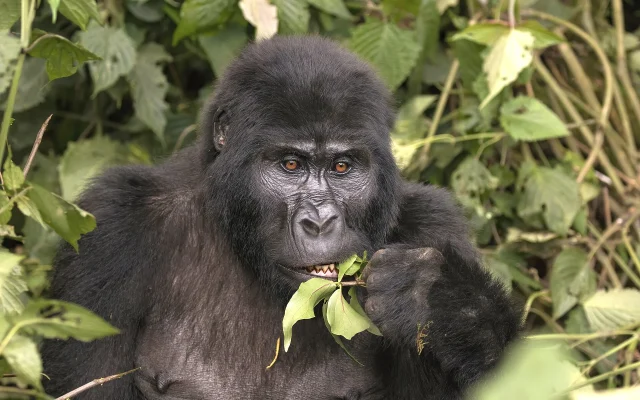
6 Day Gorillas, Chimps & Wildlife
You visit: Entebbe (Start), Kibale Forest, Queen Elizabeth NP, Bwindi Impenetrable Forest
Uganda · Primates & savannah wildlife
 Best
Seller
Best
Seller
7 Day Uganda Wildlife & Gorilla
You visit: Entebbe (Start), Murchison Falls NP, Kibale Forest, Queen Elizabeth NP
Uganda · Nile, chimps, wildlife & gorillas
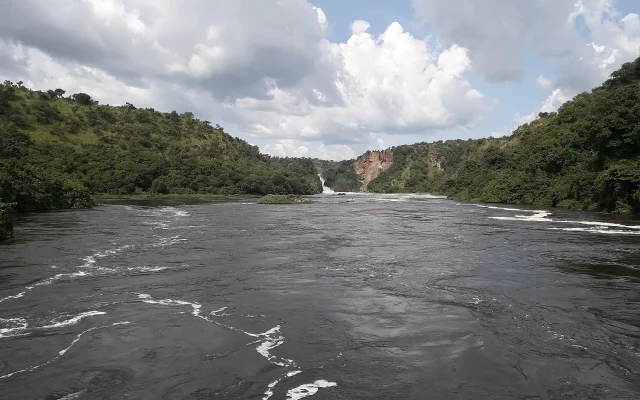
3 Day Murchison Falls Safari
You visit: Entebbe (Start), Murchison Falls NP, Entebbe (End)
Uganda · Nile boat & Big Five potential
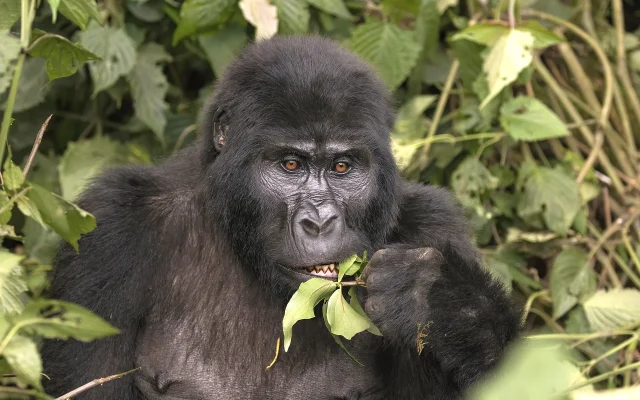
10 Day Ultimate Uganda Safari
You visit: Entebbe (Start), Murchison Falls NP, Kibale Forest, Queen Elizabeth NP
Uganda · Extended flagship circuit
Need expert help planning your trip? Share your dates and interests — we design gorilla, wildlife, and birding itineraries with transparent pricing.