Quick Answer: Uganda Safari Safety
- Uganda is a well-established safari destination
- Guided safaris are the normal and safest way to travel
- National parks are professionally managed
- Gorilla trekking is tightly controlled and supervised
- Wildlife safety rules are essential
- Road travel requires realistic expectations
- Health preparation matters
- Using reputable safari operators significantly improves safety
For safari travelers, Uganda is generally safe when approached with realistic planning and normal travel awareness.
Many first-time visitors ask this question because Uganda may feel less familiar than heavily marketed safari destinations.
That caution is understandable.
But Uganda is not an experimental tourism destination.
It has welcomed international safari travelers for many years across established circuits including gorilla trekking, wildlife safaris, and primate tourism.
Most safari experiences occur within organized, professionally guided frameworks.
That structure dramatically improves visitor safety.
Safari Areas vs General Travel Context
It is important to separate safari travel from general destination concerns.
Safari tourists usually travel through curated itineraries involving:
- airport pickups
- professional guides
- pre-booked accommodation
- regulated park access
- organized activity scheduling
This is very different from completely independent backpack-style travel.
Safari tourism operates within structured systems that significantly reduce uncertainty.
Are Uganda National Parks Safe?
Yes, Uganda’s national parks are professionally managed conservation areas.
Major safari parks include:
Park access, ranger operations, wildlife monitoring, tourism activity management, and visitor procedures are all established.
That said, parks are real wilderness environments—not theme parks.
Wildlife rules must be respected.
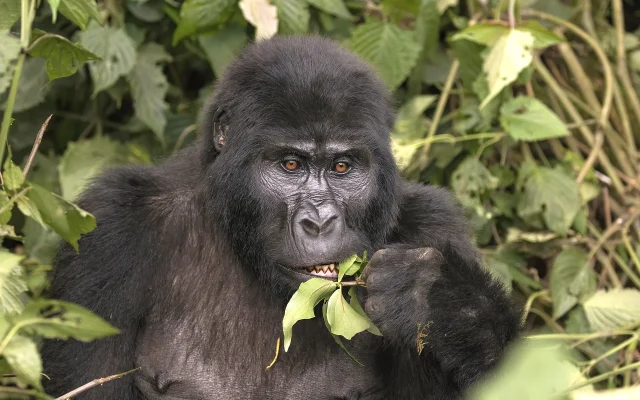
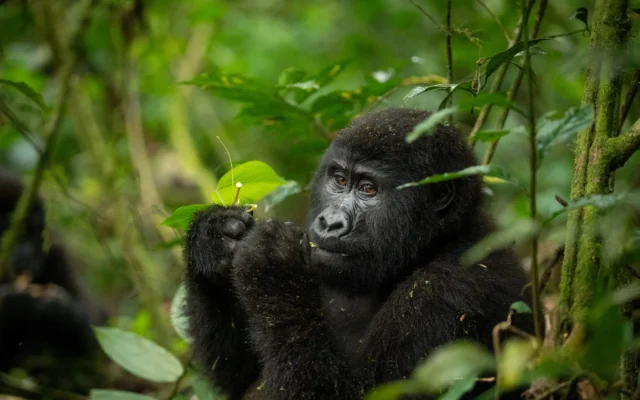
Is Gorilla Trekking Safe?
Yes, gorilla trekking is carefully regulated and professionally managed.
Uganda’s gorilla tourism system is one of the country’s flagship conservation programs.
Safety measures typically include:
- professional ranger escorts
- mandatory briefings
- visitor protocols
- controlled group sizes
- strict conservation rules
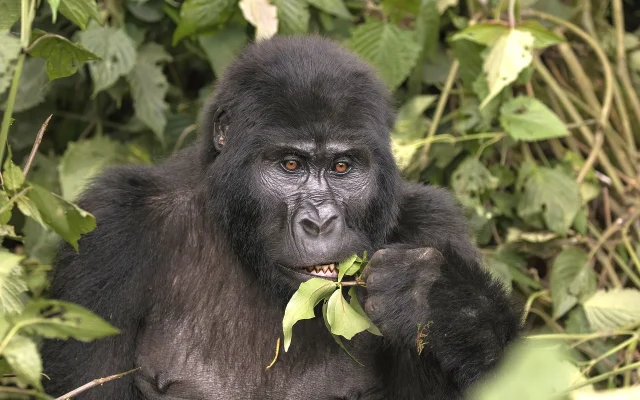
Mountain gorillas in tourism programs are habituated to controlled human presence.
That does not mean they are domesticated animals.
Rules must be followed carefully.
Wildlife Safety on Safari
This is one of the most important safety topics.
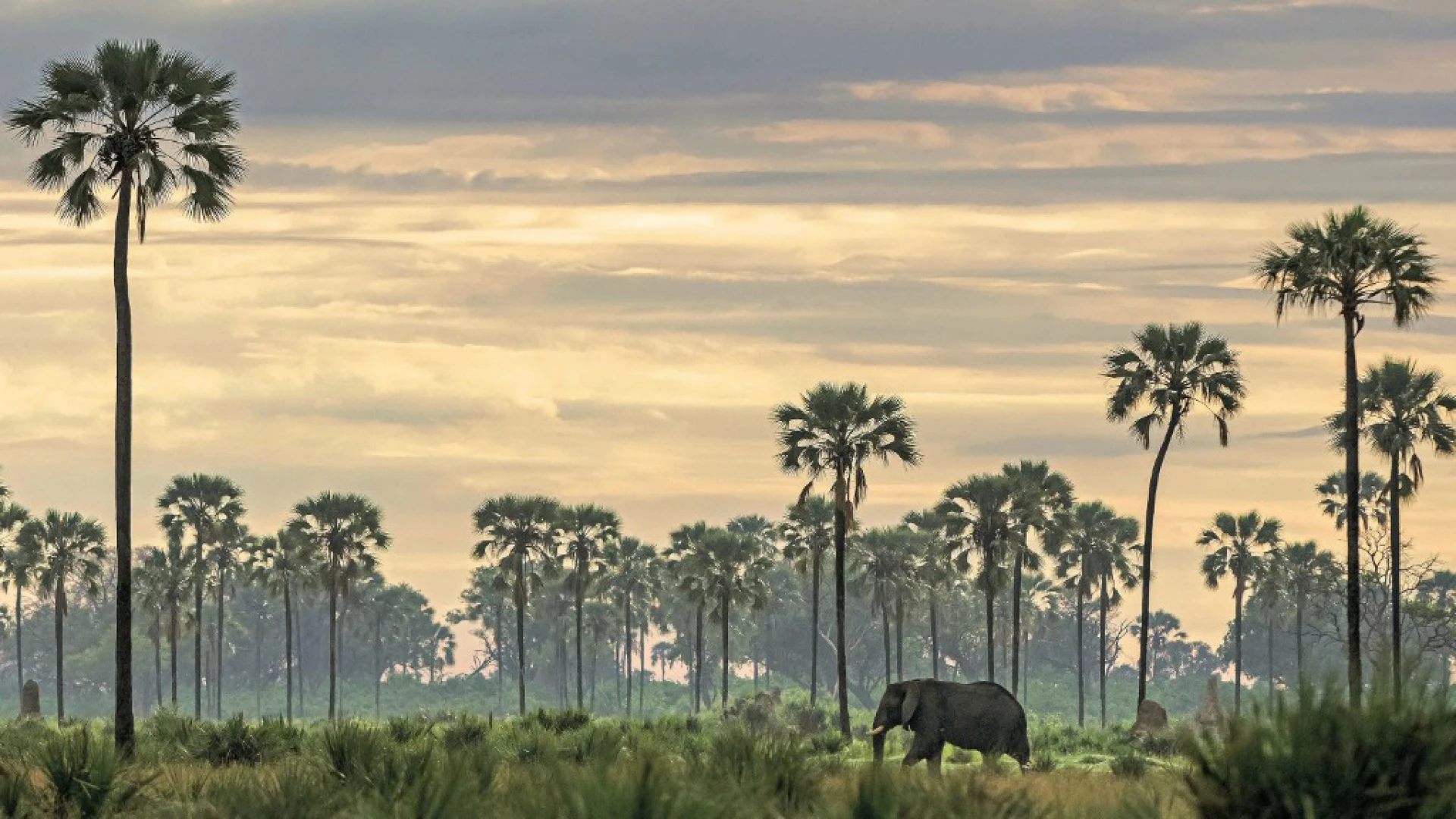
Uganda’s parks contain genuinely wild animals.
Examples include:
- elephants
- buffalo
- lions
- leopards
- hippos
- crocodiles
- primates
Wildlife safety depends heavily on behavior.
Core principles:
- follow guide instructions
- respect wildlife distances
- do not leave vehicles unless permitted
- avoid independent movement in wildlife zones
- take park briefings seriously
Most wildlife incidents are avoided through disciplined safari behavior.
Is Road Travel Safe?
Road travel is often the biggest practical concern for safari visitors.
Uganda safari routes can involve substantial overland journeys.
Professional safari operators manage this through experienced driver-guides and established route planning.
However, travelers should understand:
- journeys can be long
- road conditions vary
- travel speeds may differ from expectations in Europe or North America
- weather can affect driving conditions
Choosing reputable operators matters significantly here.
Is Uganda Safe for First-Time Africa Travelers?
Yes.
Uganda can be an excellent destination for first-time Africa travelers, especially when using experienced safari planners.
Advantages include:
- English widely spoken
- organized tourism infrastructure
- professional guiding culture
- strong safari route familiarity
The structured safari model makes Uganda manageable even for first-time visitors.
Health Safety Considerations
Health preparation is an essential part of safari planning.
Travelers should think proactively about:
- vaccination requirements
- routine travel health planning
- mosquito precautions
- hydration
- travel insurance
- personal medications
Most safari travelers manage these considerations successfully with standard preparation.
Food and Water Safety
Established safari lodges and organized operators routinely cater to international travelers.
Practical habits still help:
- follow operator guidance
- use sensible hydration habits
- communicate dietary needs in advance
Well-managed safari accommodation is generally accustomed to guest expectations.
Is Uganda Safe for Solo Travelers?
Yes, particularly within organized safari frameworks.
Solo travelers often join private or arranged itineraries with guides and pre-booked logistics.
This dramatically reduces travel complexity.
Independent travel requires more planning and situational awareness.
Is Uganda Safe for Families?
Yes, Uganda can work well for families.
Family suitability depends on itinerary design.
Considerations include:
- children’s ages
- road travel tolerance
- activity intensity
- gorilla trekking age requirements
- accommodation suitability
Well-designed family itineraries can be highly successful.
Security in Gorilla Trekking Areas
Gorilla tourism areas are internationally important conservation destinations.
Tourism operations are carefully managed, and organized travel infrastructure is well established.
Travelers should rely on current professional itinerary planning rather than assumptions or outdated information.
Choosing the Right Safari Operator Matters
This may be the single most important practical safety factor.
A strong operator provides:
- reliable vehicles
- experienced guides
- well-sequenced itineraries
- good accommodation partners
- professional communication
- real safari experience management
Weak planning creates avoidable stress.
Practical Safety Tips for Uganda Safari Travelers
- book through reputable safari professionals
- follow wildlife rules
- respect guide instructions
- prepare health essentials
- carry travel insurance
- plan realistic itineraries
- avoid unnecessary independent risk-taking
- keep valuables managed sensibly
What Actually Causes Most Safari Problems?
Most safari challenges come from avoidable issues rather than destination instability.
Common problems include:
- poor itinerary pacing
- unrealistic expectations
- health under-preparation
- cheap unreliable operators
- ignoring wildlife rules
Good planning prevents most problems.
Final Verdict: Is Uganda Safe for Safari Tourists?
Yes.
Uganda is a well-established safari destination and is generally safe for travelers using professional safari arrangements and normal travel common sense.
For most visitors, the experience is exciting, rewarding, and highly manageable with proper planning.
With the right itinerary, experienced guides, realistic planning, and proper preparation, Uganda offers one of Africa’s most extraordinary and well-managed safari experiences.
Request a safari quote

 Best
Seller
Best
Seller
 Best
Seller
Best
Seller
 Best
Seller
Best
Seller
 Best
Seller
Best
Seller