
Bwindi Weather Guide
This comprehensive Bwindi Weather Guide is designed to help travelers understand the climate, rainfall patterns, temperatures, seasonal variations, and trekking conditions in Bwindi Impenetrable National Park. Whether you are planning a gorilla trekking safari in Uganda, a birdwatching expedition, a photography tour, a cultural experience, or a wildlife adventure, understanding Bwindi’s weather is essential for choosing the best travel period and preparing appropriately for your trip.
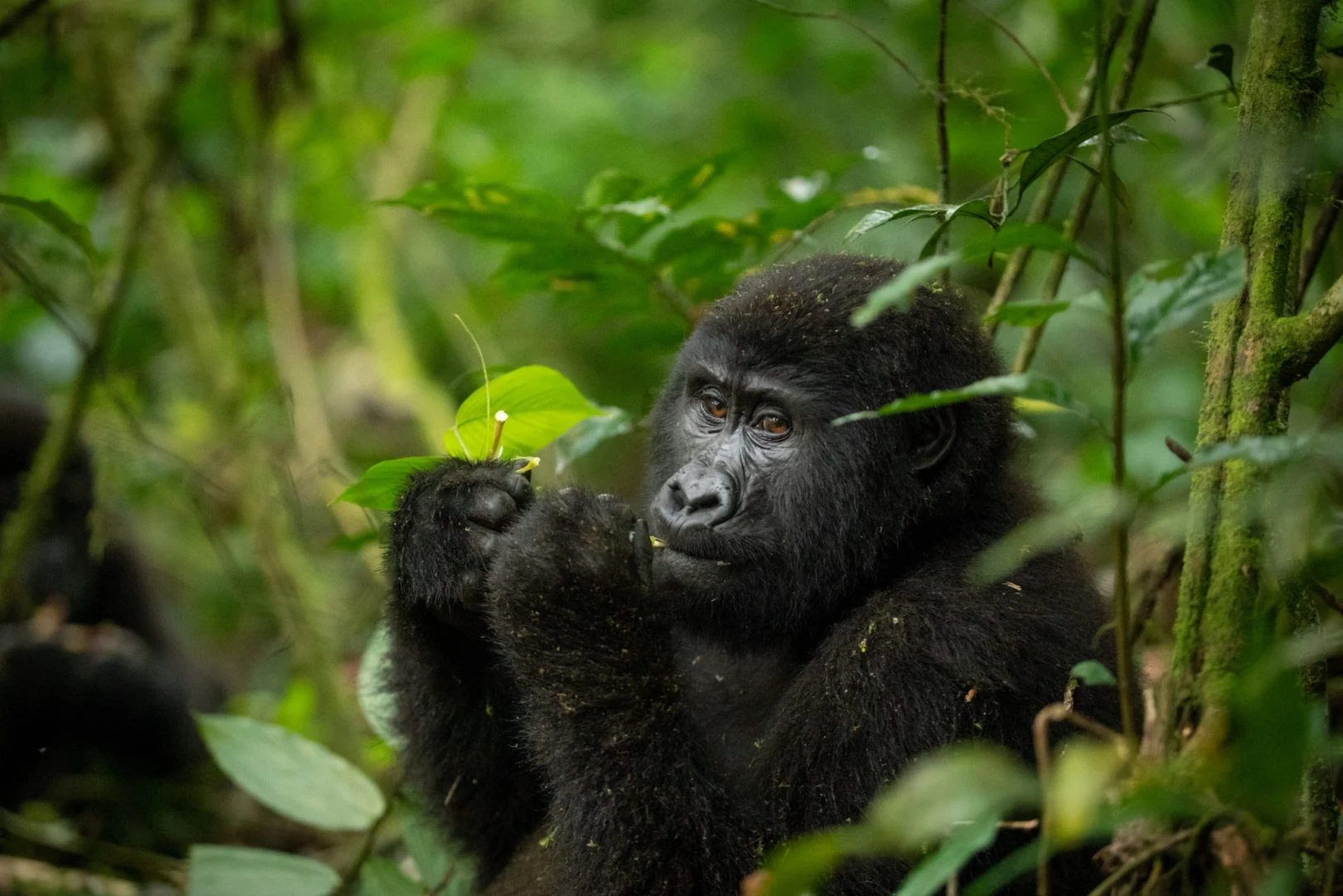
Bwindi Impenetrable National Park is one of Africa’s most remarkable natural destinations. Located in southwestern Uganda along the edge of the Albertine Rift Valley, the park protects one of the oldest and most biodiverse rainforests on the continent. The forest is internationally famous as a sanctuary for endangered mountain gorillas and is recognized as a UNESCO World Heritage Site because of its exceptional ecological importance.
Unlike many safari destinations characterized by dry savannah landscapes, Bwindi is a tropical rainforest. This means that weather conditions are influenced by altitude, forest cover, topography, and regional climate systems. Visitors should expect a cooler and wetter environment than many other East African safari destinations. Understanding these conditions allows travelers to prepare properly and enjoy a more comfortable and rewarding experience.
One of the most important things to understand is that gorilla trekking in Bwindi takes place throughout the year. There is no bad time to visit the park, but different seasons offer different advantages and challenges. The best travel period depends largely on your personal preferences, trekking expectations, photography goals, and overall safari itinerary.
Where Is Bwindi Located?
Bwindi Impenetrable National Park is situated in southwestern Uganda near the borders of Rwanda and the Democratic Republic of Congo. The park covers approximately 331 square kilometers and sits at elevations ranging from about 1,160 meters to over 2,600 meters above sea level.
This high-altitude location has a significant influence on local weather conditions. Despite being located close to the equator, Bwindi experiences relatively cool temperatures compared to lower-altitude areas of Uganda. The combination of elevation and dense forest cover creates a unique climate that supports the survival of mountain gorillas and a wide range of other plant and animal species.
The mountainous terrain also contributes to frequent rainfall, mist, and changing weather conditions. Visitors often experience sunshine, cloud cover, mist, and rain within the same day.
General Climate of Bwindi Impenetrable National Park
The climate of Bwindi is best described as tropical montane rainforest. Temperatures remain relatively stable throughout the year, while rainfall varies according to seasonal weather patterns.
Because the park lies within a mountainous rainforest ecosystem, humidity levels are generally high, and rainfall can occur during any month of the year. Even during the driest periods, visitors should always be prepared for occasional showers.
The forest environment itself creates its own microclimate. Moisture trapped within the dense vegetation contributes to frequent mist and cloud formation, particularly during the early morning and late afternoon hours.
This atmospheric moisture is one of the reasons Bwindi appears so lush, green, and biologically rich throughout the year.
Average Temperatures in Bwindi
One of the pleasant surprises for many visitors is that Bwindi rarely experiences extreme temperatures. The high elevation moderates daytime heat and creates comfortable trekking conditions throughout the year.
Average daytime temperatures generally range between:
- 18°C to 25°C (64°F to 77°F)
Nighttime temperatures often fall to:
- 7°C to 15°C (45°F to 59°F)
Early mornings can feel surprisingly cool, especially in higher-elevation sectors such as Ruhija and Nkuringo. Visitors should therefore pack warm clothing for mornings and evenings even when traveling during the dry season.
The relatively mild temperatures make Bwindi comfortable for trekking, although the physical effort required to hike through mountainous rainforest terrain should not be underestimated.
Bwindi Dry Seasons
The dry seasons are generally considered the most popular times to visit Bwindi because trekking conditions tend to be easier and more predictable.
June to September
The longest and most popular dry season occurs from June through September. This period attracts a large number of visitors because trails are generally less muddy and forest conditions are more manageable for hiking.
Although rain can still occur, it is usually less frequent than during the wetter months. The reduced rainfall often results in:
- Easier trekking conditions.
- Better trail accessibility.
- Improved photography opportunities.
- Clearer forest views.
- More comfortable hiking experiences.
Because this period coincides with peak tourism season, gorilla permits and accommodations often sell out well in advance. Travelers planning to visit during these months should secure bookings as early as possible.
December to February
The second dry season occurs between December and February. This period is also highly regarded for gorilla trekking and general safari travel.
Visitors often enjoy:
- Relatively dry trails.
- Comfortable temperatures.
- Excellent wildlife viewing opportunities.
- Good conditions for photography.
- Favorable travel logistics.
Many international travelers choose this period because it coincides with holiday schedules and winter vacations in Europe and North America.
Bwindi Rainy Seasons
The rainforest environment means that Bwindi experiences two primary rainy seasons each year. While some travelers avoid these periods, they offer unique advantages and can still provide excellent gorilla trekking experiences.
March to May
The longest rainy season occurs from March through May. Rainfall is generally more frequent and can sometimes be heavy.
During this period:
- Trails may become muddy and slippery.
- Forest vegetation becomes exceptionally lush.
- Mist and cloud cover are more common.
- Photography conditions become more dramatic.
- Visitor numbers are lower.
Despite the rain, gorilla trekking continues every day. Mountain gorillas do not migrate or disappear during wet weather, and sightings remain excellent throughout the season.
Many experienced travelers actually enjoy visiting during this period because the forest is at its most vibrant and tourist crowds are significantly reduced.
October to November
The shorter rainy season generally occurs from October through November. Rainfall during these months is often less intense than during March to May, although conditions can vary.
Visitors can expect:
- Greener landscapes.
- Fewer tourists.
- Potential accommodation discounts.
- Excellent birdwatching opportunities.
- Occasional muddy trails.
Many travelers consider October and November excellent shoulder-season months that combine lower costs with rewarding wildlife experiences.
How Weather Affects Gorilla Trekking
The primary concern for most visitors is how weather influences gorilla trekking. Fortunately, mountain gorillas are present throughout the year, and trekking activities operate daily regardless of weather conditions.
However, weather can influence the difficulty of the trek itself.
During dry periods:
- Trails are generally firmer.
- Hiking is easier.
- Visibility may be better.
- Photography conditions can improve.
During rainy periods:
- Trails may become muddy.
- Steep sections require extra caution.
- Waterproof clothing becomes essential.
- Trekking can be more physically demanding.
Importantly, many experienced guides note that gorillas sometimes remain at lower elevations during wetter periods because food is more abundant, which can occasionally result in shorter trekking times.
Weather Differences Across Bwindi Sectors
Bwindi is divided into four main tourism sectors:
- Buhoma
- Ruhija
- Rushaga
- Nkuringo
Because of elevation differences, weather conditions can vary slightly between these sectors.
Ruhija
Ruhija is one of the highest sectors in the park and tends to be cooler than other areas. Morning temperatures can be particularly chilly, and mist is common.
Nkuringo
Nkuringo is also located at high elevation and frequently experiences cool temperatures and dramatic cloud formations.
Buhoma
Buhoma sits at a lower elevation and is generally slightly warmer than Ruhija and Nkuringo.
Rushaga
Rushaga experiences conditions similar to much of southern Bwindi but may receive varying rainfall depending on local weather patterns.
Regardless of sector, visitors should always be prepared for rain and changing conditions.
Best Time for Gorilla Trekking in Bwindi
If your primary goal is gorilla trekking and you prefer easier hiking conditions, the dry seasons from June to September and December to February are generally considered the best times to visit.
These months provide:
- More comfortable trekking conditions.
- Less muddy trails.
- Improved accessibility.
- Better overall travel logistics.
However, these benefits come with increased demand, meaning permits and accommodations often need to be booked many months in advance.
Best Time for Birdwatching in Bwindi
Bwindi is one of Africa’s top birding destinations, and weather conditions can influence bird activity.
Many birders prefer the wetter months because:
- Bird activity increases during breeding seasons.
- Forest vegetation is lush.
- Migratory species may be present.
- Bird vocalizations are often more frequent.
The period from November through April is particularly productive for birdwatching and offers opportunities to observe many of Bwindi’s Albertine Rift endemic species.
Best Time for Photography
Photographers often have different priorities than general safari travelers.
Dry-season photography benefits include:
- More predictable lighting.
- Less rain interruption.
- Improved trail conditions.
Rainy-season photography advantages include:
- Dramatic mist.
- Lush green vegetation.
- Atmospheric forest scenes.
- Unique rainforest moods.
Many photographers consider Bwindi most visually stunning during or immediately after rainfall when mist drifts through the forest canopy.
What to Pack for Bwindi Weather
Because weather conditions can change rapidly, packing appropriately is essential.
Recommended items include:
- Waterproof rain jacket.
- Waterproof hiking boots.
- Long-sleeved shirts.
- Long trousers.
- Warm fleece or sweater.
- Waterproof backpack cover.
- Hat.
- Gardening gloves for steep trails.
- Extra socks.
- Insect repellent.
- Sunscreen.
- Reusable water bottle.
Even during the driest months, rain gear should always be included because showers can occur unexpectedly.
Month-by-Month Weather Overview
January: Dry, pleasant trekking conditions.
February: Generally dry with comfortable temperatures.
March: Beginning of the long rainy season.
April: Wettest period in many parts of the park.
May: Rain continues but begins decreasing.
June: Start of major dry season.
July: Excellent trekking conditions.
August: Popular gorilla trekking month.
September: Dry season continues.
October: Beginning of short rains.
November: Wetter conditions with fewer visitors.
December: Dry season returns and tourism increases.
Book Your Bwindi Safari with Adventure in the Wild Safaris
Adventure in the Wild Safaris helps travelers plan gorilla trekking adventures throughout the year by matching travel goals with seasonal conditions. Whether you prefer the convenience of dry-season trekking or the lush beauty of the rainforest during wetter months, our team can help design an itinerary that suits your interests and expectations.
Understanding the weather in Bwindi allows you to prepare properly, pack appropriately, and choose the best travel period for your safari. With the right planning, every season offers unforgettable opportunities to explore one of Africa’s most extraordinary rainforest ecosystems and encounter the endangered mountain gorillas that call it home.