
Uganda Cultural Safari Planner: Step-by-Step Guide to Designing Your Perfect Safari
Uganda Cultural Safari Planner is a complete guide designed to help travelers plan the perfect safari experience across the Pearl of Africa. Whether you are interested in gorilla trekking, wildlife safaris, cultural immersion, birdwatching, or adventure activities, proper planning ensures a smooth, enjoyable, and well-structured journey.
Uganda is a diverse destination with multiple national parks, cultural communities, and adventure activities spread across the country. Planning helps travelers combine destinations efficiently while maximizing time, budget, and experience quality.
This guide walks you through every step of planning a Uganda cultural safari, from choosing destinations to budgeting, booking, and creating a customized itinerary.
Why You Need a Uganda Safari Planner
Planning a safari in Uganda is essential because:
- Destinations are spread across long distances.
- Activities require advance booking (e.g., gorilla permits).
- Weather affects travel conditions.
- Cultural experiences vary by region.
- Accommodation availability changes during peak seasons.
A well-planned safari ensures you get the best value and experience.
Step 1: Define Your Safari Goals
Start by identifying what you want from your Uganda safari.
Wildlife Focus
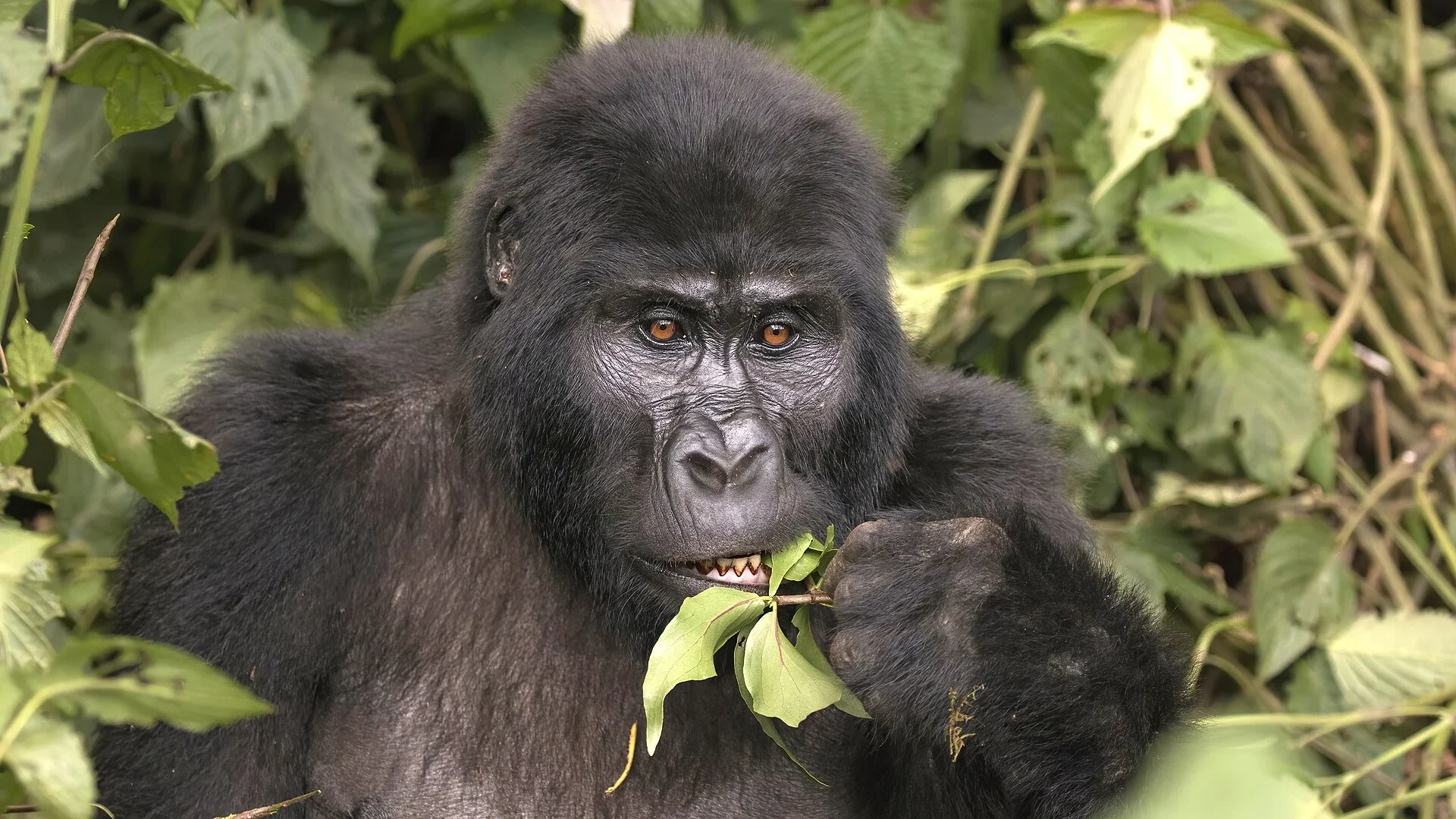
- Gorilla trekking in Bwindi.
- Chimpanzee tracking in Kibale.
- Game drives in Queen Elizabeth and Murchison Falls.
Cultural Focus
- Village visits.
- Traditional dance and music.
- Craft and cooking experiences.
Adventure Focus
- White-water rafting in Jinja.
- Hiking and nature walks.
- Boat cruises and birding.
Step 2: Choose Safari Duration
Your travel duration determines how many destinations you can include.
| Duration | Recommended Experience |
|---|---|
| 3–5 Days | Cultural tours + nearby wildlife parks |
| 6–8 Days | Gorilla trekking + 1–2 national parks |
| 9–12 Days | Full wildlife + cultural circuit |
| 13–15 Days | Complete Uganda experience |
Step 3: Select Destinations
Uganda offers several key safari regions:
Bwindi Impenetrable National Park
- Gorilla trekking.
- Batwa cultural experiences.
Queen Elizabeth National Park
- Game drives.
- Kazinga Channel boat cruise.
- Cultural village visits.
Kibale Forest National Park
- Chimpanzee trekking.
- Nature walks.
- Community tours.
Murchison Falls National Park
- Big Five safaris.
- Nile boat cruises.
- Scenic landscapes.
Jinja
- Cultural experiences.
- Adventure activities.
- Source of the Nile.
Step 4: Choose Safari Type
Cultural Safari
- Village visits.
- Community engagement.
- Craft and food experiences.
Wildlife Safari
- Game drives.
- Boat cruises.
- National parks exploration.
Combined Safari
- Gorillas + culture + wildlife.
- Most popular option for visitors.
Step 5: Budget Planning
Your budget determines accommodation and transport style.
| Budget Level | Daily Cost (Per Person) |
|---|---|
| Budget Safari | US$150 – US$300 |
| Midrange Safari | US$300 – US$600 |
| Luxury Safari | US$600 – US$1,500+ |
Step 6: Booking Timeline
Uganda safaris require advance planning.
- 6–12 months: Luxury safaris & gorilla permits.
- 3–6 months: Midrange safaris.
- 1–3 months: Budget safaris.
Early booking ensures availability of gorilla permits and top lodges.
Step 7: Transportation Planning
Self-Drive
- Flexible travel.
- Requires 4×4 vehicle.
Driver-Guide
- Most recommended option.
- Local expertise and navigation.
Fly-In Safaris
- Fast and comfortable.
- Higher cost but time-saving.
Step 8: Accommodation Planning
Choose accommodation based on comfort level:
- Budget lodges and guesthouses.
- Midrange safari lodges.
- Luxury eco-lodges and resorts.
Staying near parks reduces travel time and improves experience quality.
Step 9: Combine Culture and Wildlife
Uganda is ideal for combined itineraries:
- Gorilla trekking + Batwa culture.
- Queen Elizabeth + village tours.
- Kibale chimpanzees + coffee tours.
- Jinja adventure + cultural experiences.
Step 10: Permit Planning
Some activities require advance permits:
- Gorilla trekking permits.
- Chimpanzee trekking permits.
- Habituation experiences.
Permits are limited and should be booked early.
Best Time to Plan a Uganda Safari
- June to August (dry season).
- December to February (peak season).
These periods offer the best wildlife viewing conditions.
Sample 10-Day Uganda Safari Plan
- Day 1–2: Arrival and Kampala cultural tour.
- Day 3–4: Kibale chimpanzee trekking.
- Day 5–6: Queen Elizabeth safari and boat cruise.
- Day 7–8: Bwindi gorilla trekking and Batwa culture.
- Day 9–10: Return via Lake Mburo or Entebbe.
Safari Planning Tips
- Book early for peak seasons.
- Use experienced tour operators.
- Balance travel time and activities.
- Include cultural experiences.
- Allow rest days between long drives.
Frequently Asked Questions About Uganda Safari Planning
How many days do I need for Uganda?
At least 7–10 days is recommended for a balanced safari.
Do I need permits in advance?
Yes, especially for gorilla and chimpanzee trekking.
Can I customize my itinerary?
Yes, most Uganda safaris are fully customizable.
Is Uganda safe for tourists?
Yes, Uganda is generally safe with guided travel.
Conclusion
Uganda Cultural Safari Planner provides everything you need to design a successful and unforgettable safari. With proper planning, travelers can enjoy a perfect balance of wildlife, culture, and adventure across Uganda’s most iconic destinations.
Whether traveling for gorillas, culture, or full-country exploration, Uganda offers one of Africa’s most rewarding safari experiences.