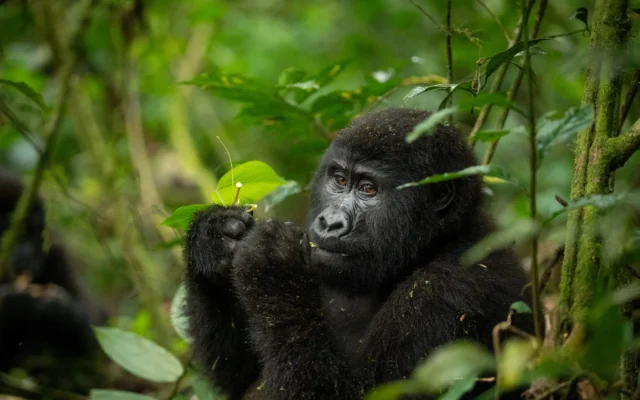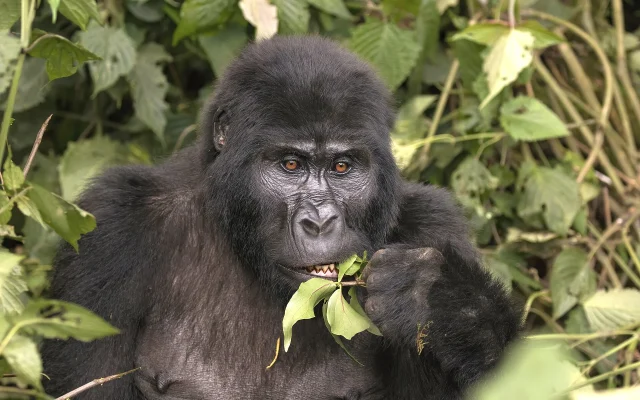
Lake Nkuruba Nature Reserve is a small but memorable crater-lake and forest destination in the Fort Portal area of western Uganda. Set south of Fort Portal and close to the wider Ndali-Kasenda crater-lake landscape, it offers a quiet base for nature walks, bird watching, primate sightings, crater-lake viewpoints, community tourism, and easy combinations with Kibale National Park, the Rwenzori Mountains, Semuliki, and Queen Elizabeth.
Lake Nkuruba is not a large national park or a polished resort lake. Its appeal is more intimate: forest around a volcanic crater lake, black-and-white colobus monkeys in the trees, birds calling from the canopy, walking routes through villages and crater rims, and a community campsite model that links visitor spending with conservation and local livelihoods.
For travelers building a western Uganda safari, Lake Nkuruba tours work best as a slower Fort Portal-area pause before or after chimpanzee trekking in Kibale. The reserve can also fit travelers who want a budget-friendly nature base, a guided crater-lake walk, a “Top of the World” viewpoint outing, or a soft landing after longer drives from Queen Elizabeth, Semuliki, or the Rwenzori trailheads.
Quick Facts About Lake Nkuruba Nature Reserve
| Feature | Details |
|---|---|
| Location | Fort Portal crater-lake region, western Uganda |
| Nearest City | Fort Portal |
| Destination Type | Community nature reserve, crater lake, forest, campsite |
| Established | Commonly cited as 1991 for the conservation initiative |
| Main Activities | Forest walks, crater-lake walks, birding, primate viewing, community visits, relaxation |
| Wildlife Highlights | Colobus monkeys, forest birds, crater-lake and woodland species |
| Nearby Safari Anchor | Kibale National Park |
| Best For | Nature lovers, budget travelers, walkers, birders, chimp safari extensions |
Overview of Lake Nkuruba Nature Reserve
Lake Nkuruba Nature Reserve protects forest around a volcanic crater lake in the wider Fort Portal crater-lake belt. The site is known for its community campsite, forested setting, monkeys, birdlife, and guided walks to nearby crater lakes, villages, viewpoints, and waterfalls. It is small in scale, but that is part of its charm: visitors can feel close to the forest rather than separated from it.
The reserve was created to conserve one of the remaining forested crater-lake environments in a region where many lake rims have been heavily cultivated. This makes Nkuruba important for both ecology and tourism. The forest provides habitat for primates and birds, while the campsite and guided activities create a reason for visitors to support conservation through overnight stays, day fees, meals, and local guiding.
Travelers often visit Nkuruba as part of the Fort Portal and Kibale circuit. It sits within reach of chimpanzee trekking in Kibale National Park and the wider crater-lake landscape that includes places such as Lake Nyinambuga, Lake Nyabikere, Lake Kifuruka, Lake Saka, and the “Top of the World” viewpoint area. The exact route depends on lodge location, road conditions, and chosen activity.
Lake Nkuruba is especially appealing for travelers who prefer quieter, less formal nature stays. It may not have the luxury profile of some Fort Portal lodges, but it offers atmosphere, affordability, forest proximity, and a direct connection to local conservation. For the right traveler, that can be more meaningful than a conventional hotel stop.

Why Visit Lake Nkuruba Nature Reserve?
Community Conservation Character
The reserve is widely presented as a community and conservation-focused project. Visitor spending supports the protection of the forested crater-lake environment and contributes to local livelihoods. This gives a stay at Nkuruba a different feel from a standard lodge night.
Crater-Lake Walking
The Fort Portal area is famous for crater lakes, and Nkuruba is one of the most accessible bases for guided walks through crater rims, villages, forest patches, and viewpoints. Walks can be gentle or more demanding depending on route length.
Primate and Bird Encounters
Visitors commonly associate Nkuruba with colobus monkeys and forest birds. Birders may look for species such as Great Blue Turaco and Black-and-white-casqued Hornbill in the wider area, while casual travelers enjoy the movement and sound of life around camp.
Easy Kibale Combination
Nkuruba works well before or after chimpanzee trekking in Kibale. It offers a calmer crater-lake and forest setting that complements the more structured national park experience.
Budget-Friendly Fort Portal Nature Stay
For travelers who want nature without a luxury price point, the campsite model can be attractive. It suits independent travelers, small groups, students, birders, walkers, and safari guests who value simplicity and setting.
Things to Do at Lake Nkuruba Nature Reserve
Nkuruba Forest Walks
Short forest walks introduce the reserve’s immediate habitat, including crater-lake forest, monkeys, birds, and lakeside views. These walks are good for travelers who want a low-pressure activity after a long drive or before an early Kibale start.
Crater-Lake Walks
Guided circular walks can explore several crater lakes around Nkuruba. The route may include farmland, villages, lake rims, viewpoints, and forest patches. A guide adds value by explaining crater formation, local land use, birdlife, and community life.
Top of the World Viewpoint
The “Top of the World” viewpoint is a popular Fort Portal-area outing, offering wide views over rolling hills, crater lakes, and cultivated landscapes. It is best visited with local guidance, especially if combining it with a longer walk or boda-boda circuit.
Mahoma Waterfall and Longer Hikes
Some guided routes continue toward Mahoma Waterfall or link multiple crater-lake viewpoints. These are more demanding than a casual camp walk and should be matched to fitness, weather, and available time.
Bird Watching
Forest edges, crater lakes, gardens, and wetlands create a rewarding birding environment. Nkuruba is particularly useful as a relaxed birding base for travelers who also plan Kibale, Semuliki, or the Rwenzori foothills.
Community Visits
Guided village walks can introduce local farming, food, schools, craft, and daily life. These experiences should be arranged respectfully through local guides so that communities benefit and visits do not feel intrusive.
Best Time to Visit Lake Nkuruba Nature Reserve
Lake Nkuruba can be visited year-round. The drier months from June to September and December to February are usually more comfortable for walking, photography, and road access. Trails are generally easier, and crater-lake viewpoints may be clearer.
Rainier months can make walking routes muddy and slippery, but they also bring lush forest, active birdlife, and dramatic crater-lake scenery. Travelers visiting during these periods should pack waterproof shoes, rain gear, and a flexible attitude toward timing.
Because Nkuruba is often used with Kibale, the best time may also depend on chimpanzee trekking plans and overall western Uganda routing. A well-paced itinerary avoids arriving late, trekking early, and leaving immediately without time to enjoy the reserve.
How to Get to Lake Nkuruba Nature Reserve
{{SEC_GETTING_THERE}}
From Fort Portal
Most travelers reach Nkuruba by road from Fort Portal. Sources vary on the exact distance because routes and reference points differ, so it is best planned as a short regional transfer rather than a fixed-minute journey. Road conditions can change after rain.
From Kibale National Park
Nkuruba is well placed for travelers combining crater-lake scenery with Kibale chimpanzee trekking. Transfers should be timed carefully on trekking mornings because briefing times are fixed and rural roads can be slow.
From Queen Elizabeth National Park
Travelers moving north from Queen Elizabeth can use the Fort Portal crater-lake area as a scenic pause before Kibale or the Rwenzori foothills. This route adds variety after savannah wildlife and boat safaris.
From Kampala or Entebbe
Overland access from Kampala or Entebbe is usually via Fort Portal. The journey can be part of a wider western Uganda itinerary with Kibale, Semuliki, Rwenzori, Queen Elizabeth, and the crater lakes.
How to get to Lake Nkuruba Nature — routes & drive times
Where to Stay at Lake Nkuruba Nature Reserve
{{SEC_ACCOMMODATION}}
Accommodation at Lake Nkuruba is associated with a community campsite and simple nature-stay options rather than luxury safari lodging. Travelers may find camping, cottages, or budget rooms depending on current operations and availability. The appeal is being inside or close to the reserve environment.
Travelers who want more comfort can stay elsewhere in the Fort Portal, Kibale, or crater-lake region and visit Nkuruba for a guided walk or day activity. The best choice depends on budget, comfort expectations, transport, and whether the reserve atmosphere is a priority.
Before booking, confirm meals, bedding, electricity, hot water, road access, activity fees, and transfer timing to Kibale. Simple properties can be excellent when expectations are clear.
Where to stay in Lake Nkuruba Nature
Lake Nkuruba and Kibale Safari Planning
Lake Nkuruba’s strongest safari role is as a Fort Portal-area nature base near Kibale National Park. Chimpanzee trekking in Kibale is structured and permit-based, while Nkuruba offers flexible walking, birding, and relaxation. The two experiences complement each other well.
A balanced plan might include arrival at Nkuruba, an afternoon crater-lake walk, a Kibale chimpanzee trek the next morning, and a second night for rest rather than rushing onward. This gives travelers time to enjoy both the reserve and the national park.
Nkuruba also works for travelers connecting to the Rwenzori Mountains, Semuliki National Park, or Queen Elizabeth. Its crater-lake landscape provides a soft transition between Uganda’s forest, mountain, and savannah experiences.
Nearby Destinations
Lake Nkuruba Nature Reserve combines naturally with Kibale National Park, Fort Portal & Crater Lakes, Amabere Caves & Fort Portal Crater Lakes, Rwenzori Mountains National Park, Semuliki National Park, and Queen Elizabeth National Park.
Kibale National Park
Kibale is the strongest safari pairing for Lake Nkuruba, adding chimpanzee trekking, rainforest walks, primates, and excellent birding.
Fort Portal & Crater Lakes
The wider Fort Portal crater-lake region adds viewpoints, crater-rim walks, tea scenery, local culture, and scenic drives around Lake Nkuruba.
Amabere Caves & Fort Portal Crater Lakes
Amabere Caves adds cultural legend, cave formations, waterfalls, and crater-lake hikes to a Fort Portal nature itinerary.
Rwenzori Mountains National Park
The Rwenzori foothills and mountain routes combine well with Lake Nkuruba for travelers who want hiking, views, and cooler western Uganda landscapes.
Semuliki National Park
Semuliki adds lowland forest, hot springs, specialist birding, and ecological contrast to a Fort Portal and crater-lake journey.
Queen Elizabeth National Park
Queen Elizabeth extends the trip from crater lakes and forest into savannah wildlife, Kazinga Channel boat safaris, and Rift Valley scenery.
Suggested Lake Nkuruba Itinerary Ideas
One-Night Crater-Lake Stop
Arrive from Fort Portal, walk around the reserve, enjoy a simple overnight stay, then continue to Kibale for chimpanzee trekking or onward to Queen Elizabeth.
Two-Night Nature Base
Spend two nights at or near Nkuruba, using one day for crater-lake walks and another for Kibale or a broader Fort Portal excursion. This gives the destination enough time to feel restful.
Western Uganda Explorer
Combine Nkuruba with Kibale, Amabere Caves, Rwenzori viewpoints, Semuliki hot springs, and Queen Elizabeth for a varied route built around forests, lakes, mountains, culture, and wildlife.
Planning Tips for Lake Nkuruba Nature Reserve Tours
Confirm current accommodation and activity details before travel because small community projects can change operations more frequently than large lodges. Carry cash for local fees, guides, meals, or transport. Pack walking shoes, rain protection, insect repellent, a flashlight, and patience for simple facilities.
Use local guides for crater-lake walks. They improve safety, explain the landscape, and help ensure tourism benefits the surrounding community. If visiting monkeys, keep food secure and avoid encouraging wildlife to approach people.
Most importantly, match expectations to the place. Lake Nkuruba is about forest, crater-lake scenery, community conservation, and quiet nature, not polished luxury. Travelers who understand that usually enjoy it most.
Lake Nkuruba Nature Reserve FAQs
- Where is Lake Nkuruba Nature Reserve?
-
Lake Nkuruba Nature Reserve is in the Fort Portal crater-lake region of western Uganda, south of Fort Portal and within easy reach of Kibale National Park.
- What is Lake Nkuruba known for?
-
It is known for a forested volcanic crater lake, community conservation, a simple campsite, colobus monkeys, birdlife, guided crater-lake walks, and relaxed nature stays near Kibale.
- Can I visit Lake Nkuruba with Kibale National Park?
-
Yes. Lake Nkuruba is a natural Fort Portal-area base before or after Kibale chimpanzee trekking, especially for travelers who want crater-lake scenery and guided walks.
- What activities are available at Lake Nkuruba?
-
Activities include forest walks, crater-lake walks, bird watching, primate viewing, community visits, Top of the World viewpoint trips, Mahoma Waterfall hikes, and lakeside relaxation.
- Is Lake Nkuruba a luxury lodge destination?
-
No. It is better understood as a community nature reserve and simple campsite-style destination. Travelers seeking higher comfort can stay elsewhere in the Fort Portal or Kibale area and visit for activities.
- When is the best time to visit Lake Nkuruba?
-
The drier months from June to September and December to February are generally easiest for walking and road access. Rainier months are greener and quieter but can make trails slippery.
- How long should I spend at Lake Nkuruba?
-
One night works for a quick crater-lake stop, but two nights are better if you want guided walks, birding, relaxation, and a comfortable connection with Kibale chimpanzee trekking.