
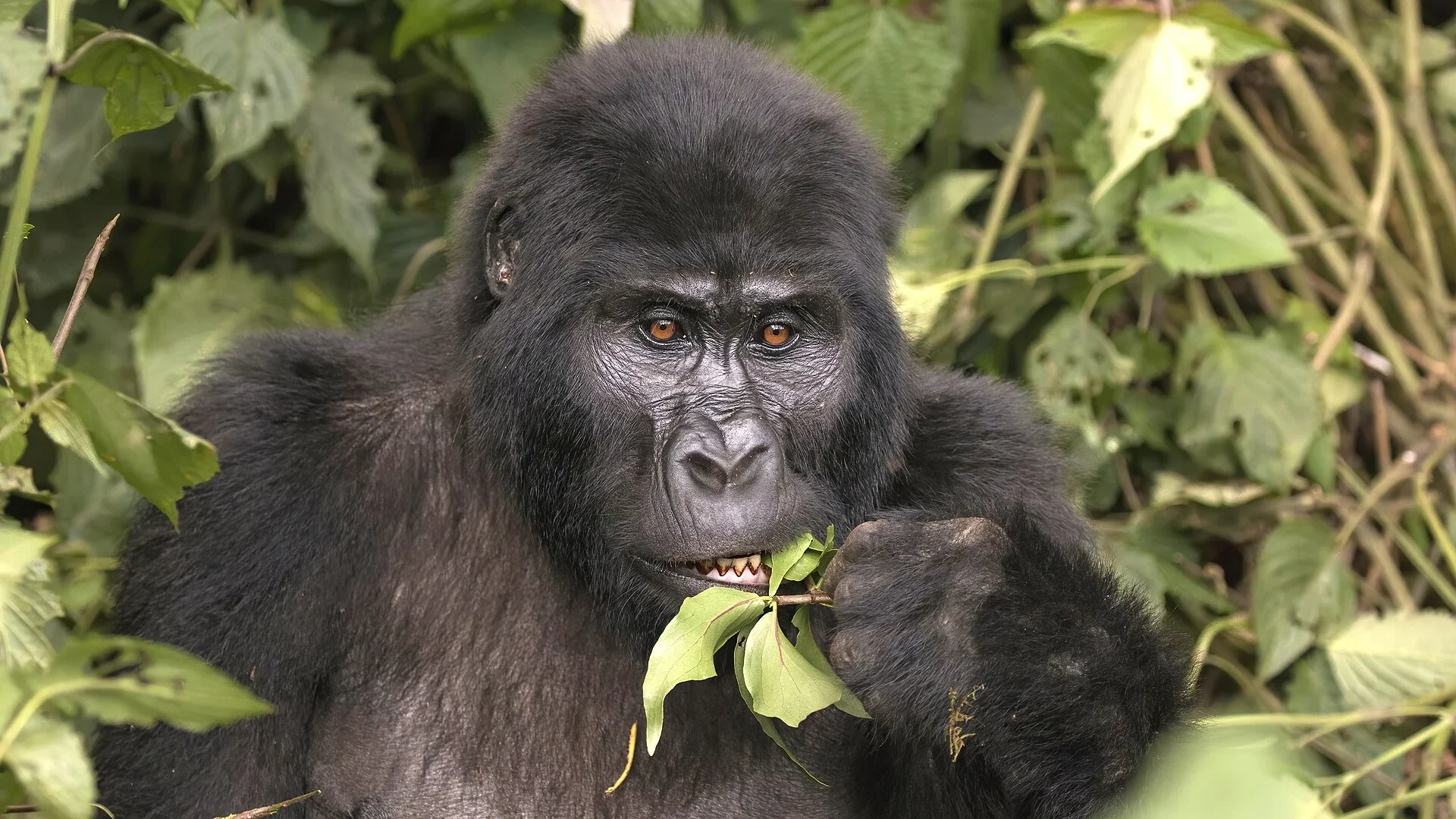
Uganda Safari Mistakes: 35 Costly Mistakes to Avoid When Planning a Uganda Safari
A Uganda safari is often described as one of Africa’s most rewarding travel experiences. From tracking endangered Mountain Gorillas in Bwindi Impenetrable National Park and trekking wild chimpanzees in Kibale Forest to witnessing tree-climbing lions in Queen Elizabeth National Park and exploring the remote wilderness of Kidepo Valley National Park, Uganda offers an extraordinary combination of wildlife, landscapes, culture, and adventure.
However, despite the country’s growing popularity as a safari destination, many visitors make planning mistakes that can lead to unnecessary expenses, missed opportunities, logistical challenges, disappointment, or avoidable stress during their trip. Some travelers underestimate driving distances, wait too long to book gorilla permits, choose the wrong season for their interests, or fail to prepare adequately for trekking activities.
The good news is that most safari mistakes are entirely avoidable with proper planning and professional guidance. Understanding the common pitfalls that affect first-time visitors can help ensure a smoother, safer, and more enjoyable safari experience.
This comprehensive guide highlights the most common Uganda safari mistakes and provides practical advice on how to avoid them while maximizing the value of your safari investment.
Mistake #1: Booking Gorilla Permits Too Late
One of the most common and costly mistakes travelers make is delaying the purchase of gorilla trekking permits. Gorilla permits are limited, and only a fixed number are issued each day for each habituated gorilla family.
During peak travel seasons, permits often sell out months in advance. Waiting until flights are booked or hotels are reserved before securing permits can create major itinerary challenges.
Travelers should ideally reserve permits six to twelve months before travel, especially for visits during June–September and December–February.
Mistake #2: Underestimating Uganda’s Driving Distances
Uganda may appear small on a map, but travel times between destinations can be longer than many visitors expect.
Examples include:
- Entebbe to Bwindi: 8–10 hours
- Kampala to Murchison Falls: 5–6 hours
- Kibale to Bwindi: 6–8 hours
- Kidepo to Kampala: More than 10 hours
Many first-time visitors attempt to include too many destinations in too few days, resulting in excessive time spent on the road rather than enjoying safari activities.
Mistake #3: Choosing a Safari Based Only on Price
While budget is important, selecting a safari solely because it is the cheapest option can sometimes result in disappointment.
Extremely low-priced safaris may involve:
- Poor accommodation choices
- Inexperienced guides
- Aging vehicles
- Hidden costs
- Overly rushed itineraries
Value should always be considered alongside price. A slightly more expensive safari often delivers significantly better experiences.
Mistake #4: Not Understanding Gorilla Permit Costs
Many travelers mistakenly assume that gorilla trekking is included in general safari pricing.
In Uganda, gorilla permits are usually listed separately or incorporated into package costs. Travelers should clearly understand whether permit fees are included before confirming bookings.
Failure to verify permit inclusion can lead to unexpected expenses.
Mistake #5: Ignoring Travel Insurance
Travel insurance is essential for any safari. Flights may be delayed, luggage can be lost, and medical emergencies can occur unexpectedly.
Comprehensive travel insurance should ideally cover:
- Trip cancellation
- Medical emergencies
- Emergency evacuation
- Lost baggage
- Travel interruptions
- Adventure activities
Many travelers only appreciate the importance of insurance after encountering unexpected problems.
Mistake #6: Packing the Wrong Clothing
Uganda’s climate varies considerably depending on altitude and region.
Common packing mistakes include:
- Bringing only lightweight clothing
- Forgetting rain gear
- Packing unsuitable footwear
- Ignoring cool mountain temperatures
Layered clothing is usually the best approach.
Mistake #7: Wearing Poor Footwear for Gorilla Trekking
Gorilla trekking often involves steep, muddy, and uneven terrain.
Visitors who attempt trekking in casual sneakers or inappropriate footwear frequently struggle during the experience.
Quality waterproof hiking boots are strongly recommended.
Mistake #8: Trying to See Everything in One Trip
Uganda offers an incredible range of attractions, but attempting to include every destination in a short itinerary often leads to exhaustion.
A well-planned safari prioritizes quality experiences over quantity.
Fewer destinations with longer stays generally create a more enjoyable journey.
Mistake #9: Not Allowing Buffer Days
Weather conditions, road construction, flight delays, and other unforeseen circumstances can occasionally affect travel plans.
Including a buffer day near the end of your safari provides flexibility and reduces stress.
Mistake #10: Skipping Chimpanzee Trekking
Many visitors focus exclusively on gorillas and overlook chimpanzee trekking.
Chimpanzees provide completely different wildlife experiences, characterized by energy, vocal communication, social interactions, and active movement.
Many travelers later describe chimpanzee trekking as one of the highlights of their safari.
Mistake #11: Ignoring Uganda’s Birdlife
Uganda hosts over 1,090 bird species, making it one of the world’s leading birdwatching destinations.
Even non-birders are often amazed by the diversity of:
- Turacos
- Hornbills
- Kingfishers
- Sunbirds
- Bee-eaters
- Shoebills
Failing to include at least some birding opportunities means missing one of Uganda’s greatest natural assets.
Mistake #12: Not Booking the Right Gorilla Sector
Bwindi Impenetrable National Park contains multiple trekking sectors:
- Buhoma
- Rushaga
- Nkuringo
- Ruhija
Each sector has different lodges, access routes, terrain, and gorilla families.
Booking accommodation in the wrong sector can result in long transfer times on trekking day.
Mistake #13: Assuming Gorilla Trekking Is Easy
While many people successfully complete gorilla treks, the activity can be physically demanding.
Treks may involve:
- Steep slopes
- Muddy trails
- Dense vegetation
- Several hours of hiking
Preparing physically before travel enhances enjoyment.
Mistake #14: Not Hiring a Porter
Some travelers attempt to save money by declining porter services.
Porters assist with:
- Carrying bags
- Providing support on difficult terrain
- Improving safety
- Reducing fatigue
Hiring a porter also directly supports local communities.
Mistake #15: Ignoring Seasonal Differences
Uganda is a year-round destination, but seasons affect:
- Road conditions
- Wildlife viewing
- Birding opportunities
- Photography conditions
- Permit availability
Travelers should select travel dates based on their priorities rather than assumptions.
Mistake #16: Bringing Oversized Luggage
Safari vehicles have limited luggage space, especially for small groups.
Soft-sided bags are generally preferred over hard-shell suitcases.
Mistake #17: Failing to Carry Cash
Although cards are increasingly accepted, many rural areas still operate primarily with cash.
Visitors should carry sufficient funds for:
- Tips
- Souvenirs
- Community visits
- Personal purchases
Mistake #18: Ignoring Cultural Experiences
Uganda is home to more than fifty ethnic groups and several traditional kingdoms.
Travelers who focus solely on wildlife often miss opportunities to experience:
- Batwa Culture
- Karimojong Traditions
- Banyankole Heritage
- Buganda Kingdom Sites
- Community Tourism Projects
Cultural experiences add depth and context to any safari.
Mistake #19: Not Carrying Binoculars
Binoculars dramatically improve wildlife viewing.
They are particularly valuable for:
- Birdwatching
- Game drives
- Boat safaris
- Forest walks
Mistake #20: Choosing the Wrong Tour Operator
The safari operator you choose significantly influences your overall experience.
When selecting a company, consider:
- Reputation
- Guide quality
- Vehicle standards
- Permit handling
- Communication
- Emergency support
Professional operators often prevent many of the problems that travelers encounter.
Additional Uganda Safari Mistakes to Avoid
- Not checking passport validity requirements
- Waiting too long to book accommodation
- Skipping malaria prevention advice
- Overlooking domestic flight options
- Ignoring fitness preparation
- Expecting zoo-like wildlife encounters
- Not respecting park regulations
- Using poor camera equipment
- Overpacking electronics
- Forgetting power adapters
- Not staying hydrated
- Ignoring photography restrictions
- Not allowing time in Entebbe before departure
- Overlooking travel advisories and entry requirements
- Failing to budget for tips and personal expenses
How to Plan a Successful Uganda Safari
The most successful Uganda safaris are carefully planned around realistic travel times, well-balanced itineraries, quality accommodation, experienced guides, and properly secured permits.
A good safari should combine wildlife, scenery, culture, relaxation, and adventure while allowing enough time to enjoy each destination.
Working with an experienced Uganda safari specialist helps ensure that logistics are handled efficiently and common planning mistakes are avoided.
Final Thoughts on Uganda Safari Mistakes
A Uganda safari represents a significant investment of time, money, and anticipation. By understanding and avoiding the most common Uganda Safari Mistakes, travelers can maximize the value of their trip and enjoy a smoother, safer, and more rewarding adventure.
Whether your dream safari includes gorilla trekking, chimpanzee tracking, wildlife safaris, birdwatching, cultural experiences, or a combination of all these activities, proper planning is the key to creating unforgettable memories in the Pearl of Africa.