How to get to Kibale National Park
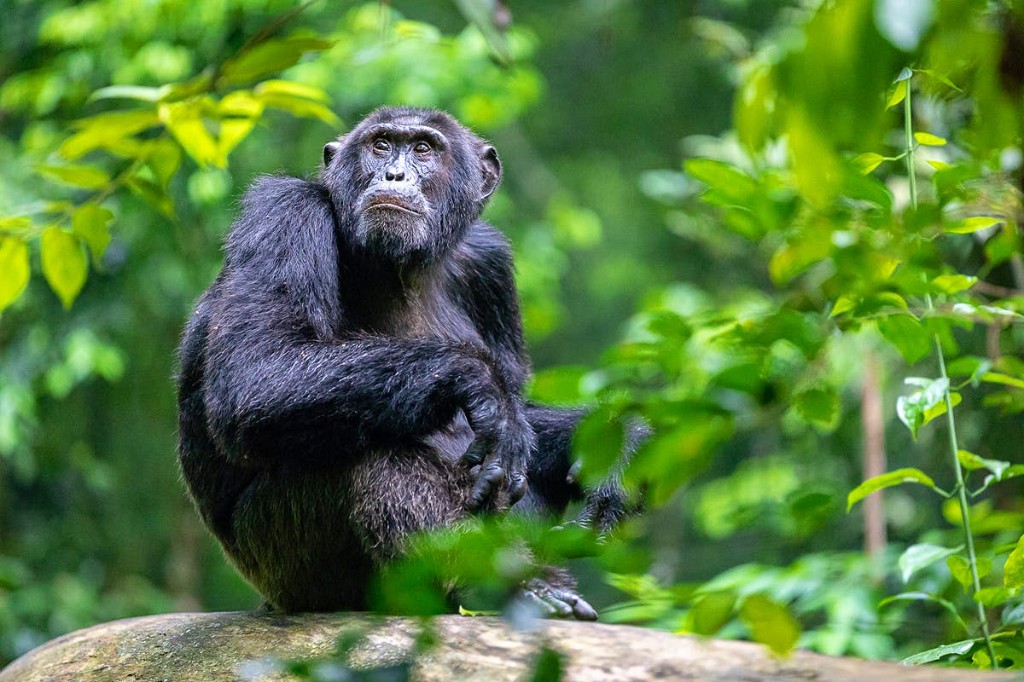
Most Kibale National Park safaris arrive by road. The park lies near Fort Portal in western Uganda, roughly five to seven hours from Kampala and six to eight from Entebbe depending on stops, traffic, and whether you route via Mubende or pass Lake Mburo National Park on longer circuits. Chimpanzee trekking briefings concentrate around Kanyanchu and nearby lodge clusters — confirm your property's drive time to the briefing point the night before, not only distance from Fort Portal town.
From Kampala or Entebbe
Standard overland transfers use tarmac highways toward Fort Portal, then local roads to forest lodges. The journey crosses tea country and Fort Portal crater lakes scenery — worthwhile as part of a safari day rather than a bare minimum transfer. Organized tours coordinate park fees, chimp permits, and lodge check-in; self-drivers should pre-book permits and overnight parking at lodges with secure grounds.
Breaking the drive at Lake Mburo or Ziwa Rhino Sanctuary on northern approaches turns access into a multi-destination route rather than a single long haul.
From Queen Elizabeth National Park
One of Uganda's strongest combinations links Queen Elizabeth National Park with Kibale — typically two to four hours between park areas depending on lodge locations and whether you cross the Kazinga corridor or route via Kasese/Fort Portal. Many itineraries place Queen Elizabeth wildlife and boat safaris before Kibale chimps, or reverse order based on permit dates.
From Bwindi and Kigezi
Gorilla travelers routing from Bwindi Impenetrable National Park or the Kigezi Highlands toward chimp trekking should expect a long western Uganda drive — often a full day — unless flying between regions. Sector choice at Bwindi (north vs south) affects routing toward Fort Portal. Lake Bunyonyi rest nights soften the transfer.
From Murchison Falls and northern Uganda
Northern circuits descend via Masindi and Fort Portal approaches, sometimes with Budongo Forest Reserve chimp options en route. Murchison Falls National Park to Kibale is a multi-day safari link, not a same-day hop — plan nights accordingly.
Flights and private charters
Road access dominates Kibale logistics. Some fly-in safaris use regional airstrips with onward road transfers; confirm current charter options with your operator rather than assuming daily scheduled service to the forest edge. Fly-in guests still need ground transport to briefing points and Bigodi Wetland Sanctuary.
Practical checklist
Carry permit confirmation, yellow fever certificate if required on your wider itinerary, insect repellent, and daypack trekking gear in the vehicle — not buried in lodge luggage. Share chimp briefing time with your driver so morning pickup is early enough for UWA registration.
Lodge zones and briefing logistics
Kibale lodging clusters near Kanyanchu, Bigodi, crater lakes, and Fort Portal town — each implies different morning drive times. Town hotels save money but add pre-dawn transfers; forest lodges cost more but reduce fatigue before treks. Share permit time with your driver the night before.
Domestic flight connections
Fly-in guests using Kasese or nearby airstrips still face highland road time to forest lodges. Charter timing must align with UWA briefing schedules — afternoon arrivals rarely suit same-day chimps.
Shared transfers and chimp briefing punctuality
Shared safari vehicles serving multiple lodges must still reach Kanyanchu before briefing closure — confirm pickup time night before, especially from distant crater-lake properties. Traffic around Fort Portal market mornings can delay exits; forest lodges within fifteen minutes of briefing reduce that risk.
Travelers entering from Kigali for southwest gorilla legs before Kibale chimps should sequence visas, border hours, and drive time to Fort Portal realistically — a late border crossing can miss next-day briefing registration. Northbound transfers toward Murchison require full-day planning from Kibale lodge zones.
Season timing: best time to visit Kibale. Species context: Kibale wildlife and bird watching. Main hub: Kibale National Park guide.
Baggage on primate circuit transfers
Soft bags fit safari vehicles better than hard suitcases on Bwindi–Kibale transfers — pack for repacking between gorilla and chimp legs.