Kibale National Park — questions travelers ask before booking
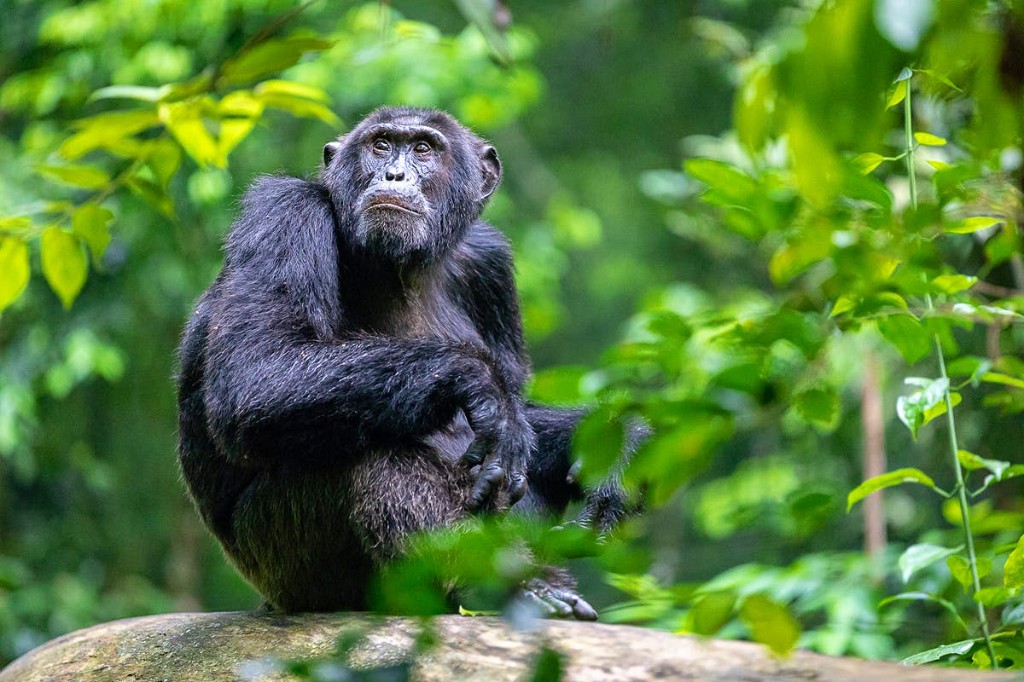
Kibale National Park is Uganda's headline chimpanzee destination — roughly 795 km² of rainforest near Fort Portal with thirteen-plus primate species, 375+ birds, and the community wetland walk at Bigodi Wetland Sanctuary. It is not a savannah park. Expect forest trekking, humidity, and permit logistics rather than open-game-drive simplicity like Queen Elizabeth National Park.
Most itineraries allocate two nights minimum for chimp trekking, optional habituation, and Bigodi. See best time to visit Kibale, getting to Kibale, wildlife, and bird watching for section depth.
Chimp permits and habituation
Standard chimpanzee trekking requires Uganda Wildlife Authority permits booked through licensed operators — often months ahead for peak dry seasons. Briefings at Kanyanchu lead into forest tracking that may last one to several hours before the regulated viewing window. The Chimpanzee Habituation Experience is a separate, longer, premium activity with limited slots for serious primate enthusiasts and photographers.
Permits are not interchangeable with gorilla permits at Bwindi; combined primate safaris need both secured on confirmed dates.
Fitness, packing, and trekking reality
Treks involve uneven forest paths, mud after rain, and occasional steep sections. Wear sturdy shoes, long trousers, long sleeves, gloves optional for vegetation, insect repellent, and a light rain jacket year-round. Porters may be available — ask your operator. Fitness should match walking one to three hours in humid conditions; habituation days demand more stamina.
Bigodi, crater lakes, and time on the ground
Most travelers add Bigodi's half-day boardwalk for turacos, monkeys, and KAFRED community interpretation. Fort Portal crater lakes and tea scenery reward extra nights if you are not rushing to Bwindi or Queen Elizabeth.
Health and travel insurance
Forest trekking injuries are rare but steep slopes increase slip risk — travel insurance covering evacuation matters on remote western routes. Yellow fever vaccination may be required depending on wider itinerary entry points — verify before departure.
Combinations and routing
Classic pairs: Kibale + Queen Elizabeth for chimps and savannah; Kibale + Bwindi for chimps and gorillas; Kibale + Murchison Falls on longer northern-western loops. Semuliki and Rwenzori extensions suit birders and hikers with time.
Children, fitness, and non-trekkers
Chimp treks suit teenagers with hiking stamina; minimum ages follow UWA rules — confirm before booking families. Non-trekking companions can enjoy Bigodi walks, crater-lake time, or Fort Portal town markets while others trek if the itinerary allows separate vehicles and guides.
Porters, tipping, and trekking support
Porters assist on muddy chimp days — hire through official channels when offered. Tip trackers and guides separately where custom expects it; your operator can clarify norms. Walking sticks help on steep, rooty sections after rain.
Where to read next
Wildlife and primates: Kibale wildlife.
Birding: Kibale bird watching.
Seasons: best time for Kibale.
Access: how to get to Kibale.
Main Kibale National Park destination guide — packages, lodging overview, and nearby cards.
Chimp vs habituation decision guide
Choose standard trekking for first primate contact; habituation suits photographers and naturalists accepting longer forest days and higher fees.
Digital connectivity near Kibale
Forest lodges may have limited mobile data — download offline maps and permit PDFs before leaving Fort Portal or Kampala.
Yellow fever vaccination proof may be checked on wider Uganda itineraries including Kibale — carry certificate copies in waterproof pouch.