Best time to visit Kibale National Park
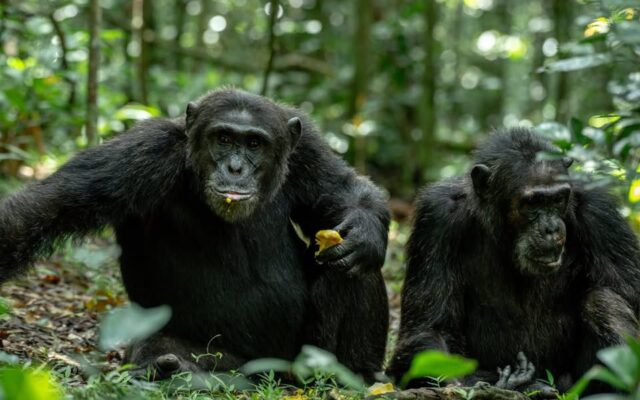
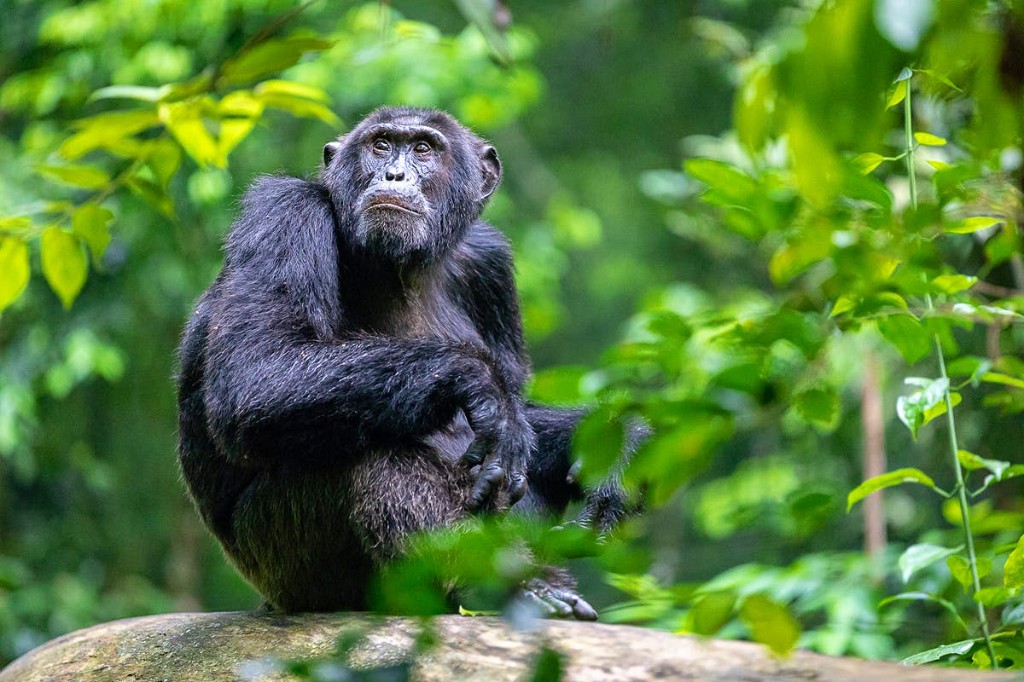
Kibale National Park differs from permit-scarce gorilla trekking in one important way: chimpanzee tracking operates throughout the year, and habituated communities are searched daily. The real calendar questions are trail conditions under tropical rain, how crowded peak tourism weeks feel around Fort Portal, and whether your wider route includes Queen Elizabeth National Park savannah drives or Bwindi gorilla days that share the same dry-season demand.
Dry season: popular trekking comfort
The busiest travel windows — roughly December to February and June to September — generally offer easier forest footing, lighter rain during treks, and simpler road transfers from Kampala or between Queen Elizabeth and Kibale. Chimp permits and lodge space fill earlier; book months ahead for Christmas, Easter, and European summer peaks.
Mornings remain cool under canopy even in dry months; humidity still demands lightweight long layers and rain jackets because forest showers can arrive any day.
Wet season: lush forest, muddier trails
Rainier periods centered on March to May and October to November transform Kibale into deep green rainforest — strong for atmosphere, bird activity, and fewer visitors at times, but physically demanding on slippery slopes. Photography can excel when cloud light softens the understorey. Bigodi wetland walks may be muddy yet productive for turacos and papyrus species.
Travelers combining Kibale with gorilla trekking should remember Bwindi trails face the same wet-season challenge — align expectations across the whole primate circuit.
Time of day and activity pairing
Chimp treks typically brief early morning; afternoon slots exist depending on UWA scheduling. Bigodi Wetland Sanctuary fits well as an afternoon counterbalance or on a second day. Avoid stacking a long drive from Queen Elizabeth with a same-day chimp trek unless timing is confirmed realistically.
Month-by-month snapshot
January–February: Drier, popular, book permits and lodges early.
March–May: Rainier, lush, muddier treks, flexible scheduling helps.
June–August: Peak dry-season travel, excellent trekking comfort, highest demand.
September: Often still workable; watch for early rains locally.
October–November: Second rainy peak possible; strong birding, slower roads in wider region.
December: Holiday demand; reserve chimp permits when confirming Fort Portal hotels.
Permit competition and lodge alignment
Peak-season chimp permits sell through UWA allocation systems — lodge proximity to Kanyanchu briefing does not replace permit confirmation. Habituation slots are scarcer; book both lodge and activity tier when dates are fixed. Rainy-season travelers sometimes find shorter permit lead times but muddier treks.
Combining weather across western Uganda
Fort Portal rain may differ from Queen Elizabeth savannah the same week. If your itinerary chains Kibale chimps with Kazinga boat cruises, pack rain gear for both ecosystems and avoid long transfers immediately after strenuous treks.
Forest humidity and camera protection
Lens fog and sensor dust affect forest photography — acclimatize gear in sealed bags before treks, carry silica pouches in daypacks, and expect low-light ISO trade-offs under canopy. Rain covers and zip-lock dry bags are standard for serious photographers, not optional accessories.
Holiday peaks and gorilla permit overlap
December–January and July–August demand affects not only Kibale chimp permits but also Bwindi gorilla slots on combined primate safaris — secure both before lodging deposits. School holidays increase family travel on crater-lake routes; Bigodi walks may need earlier starts to avoid midday heat on boardwalks.
Shoulder-season value
March–May and October–November shoulder months sometimes combine lower lodge rates with strong bird activity — accept muddier treks as trade-off. Operators may offer easier chimp permit availability outside peak windows for flexible travelers.
Access routes and drive times: getting to Kibale. Wildlife and primate detail: Kibale wildlife. Birding: Kibale bird watching.
Tea harvest scenery near Fort Portal
Tea estate greens peak during rainy months — photographers pairing chimps with landscape work sometimes accept muddy trails for softer highland atmosphere on crater drives.
Forest humidity year-round
Even dry-season weeks bring afternoon shower risk under Kibale canopy — pack rain gear on every chimp trek regardless of month on the calendar.
Chimp briefing gates close to latecomers — build Fort Portal traffic buffer into every peak-season morning transfer.