Explore this species across our habitat guide, where to see page, and safari planning resources - plus parks such as linked destinations.
Habitat loss, human-wildlife conflict, prey depletion, fragmentation, illegal killing, and increasing land pressure have dramatically reduced lion range compared to historical distribution. While lions remain one of Africa’s most recognizable predators, conservation realities are far more complex than public perception often assumes.
Uganda remains one of East Africa’s important lion conservation destinations, particularly through protected ecosystems such as Queen Elizabeth National Park, Murchison Falls National Park, and Kidepo Valley National Park.
This guide explores African lion conservation, major threats, protected areas, conservation strategies, tourism’s role, and how responsible safari travel helps protect lions.
Conservation Status
African lions require active conservation management and continued habitat protection.
Population pressure is driven by:
- Habitat loss
- Human expansion
- Conflict pressure
- Prey reduction
- Landscape fragmentation
Although lions remain visible in major safari destinations, long-term survival depends heavily on sustained intervention.
Why African Lions Need Conservation
Lions are apex predators, ecological regulators, and major tourism flagship species.
Protecting lions matters because they:
- Maintain ecosystem balance
- Regulate prey populations
- Support biodiversity integrity
- Drive safari tourism economies
- Represent flagship conservation value
Major Threats to African Lions
1. Habitat Loss
Habitat loss is one of the most serious threats to lion survival.
Lions need large functioning ecosystems for:
- Hunting
- Territorial range
- Cub rearing
- Pride movement
- Prey sustainability
As land is converted, habitat becomes less viable.
Main Drivers of Habitat Loss
- Agricultural expansion
- Settlement growth
- Infrastructure development
- Land conversion
- Resource pressure
2. Habitat Fragmentation
Even when habitat remains, fragmentation creates major ecological challenges.
Fragmentation causes:
- Territory disruption
- Restricted movement
- Population isolation
- Reduced prey mobility
- Increased conflict risk
3. Human-Wildlife Conflict
This is one of the most serious direct lion conservation threats.
Conflict often occurs when lions interact with livestock or human-dominated landscapes.
Conflict drivers include:
- Livestock predation
- Territory overlap
- Human encroachment
- Retaliatory killing
Why Conflict Is So Dangerous
Lions reproduce slowly compared with some prey species, so adult mortality has significant long-term impact.
4. Prey Depletion
Lions depend on healthy prey populations.
Without prey, lion habitat becomes functionally unsuitable.
Prey pressure may result from:
- Illegal hunting
- Habitat degradation
- Ecological imbalance
- Human competition
5. Illegal Killing
Lions may be killed directly due to conflict, illegal wildlife activity, or ecosystem pressure.
6. Poisoning
Poison-related conflict events can severely impact predator populations.
7. Disease
Disease can affect lion populations, particularly where ecosystem pressures are high.
8. Small Population Isolation
Smaller fragmented lion populations face increased conservation vulnerability.
Lion Conservation in Uganda
Uganda supports important lion conservation landscapes.
Queen Elizabeth National Park
Uganda’s most famous lion ecosystem.
Conservation importance includes:
- Large lion habitat
- Tourism significance
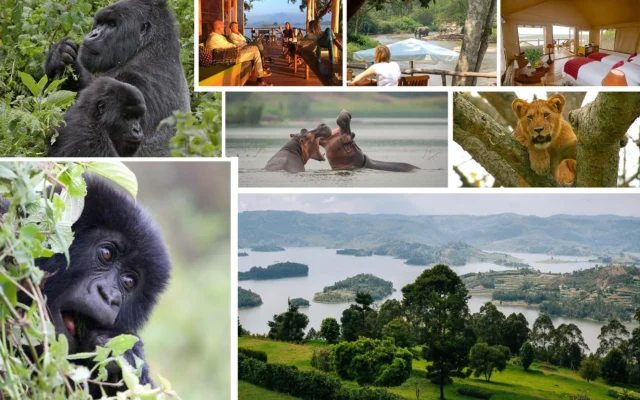
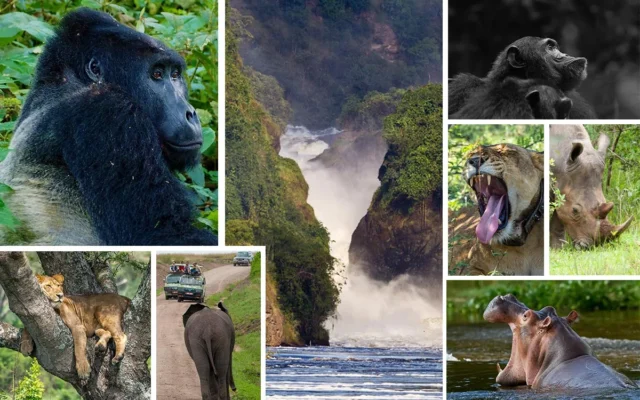
- Ishasha tree-climbing lions
- Predator conservation value
Ishasha Tree-Climbing Lions
The Ishasha lions represent one of Africa’s most iconic predator populations.
This makes conservation especially significant due to their global tourism value.
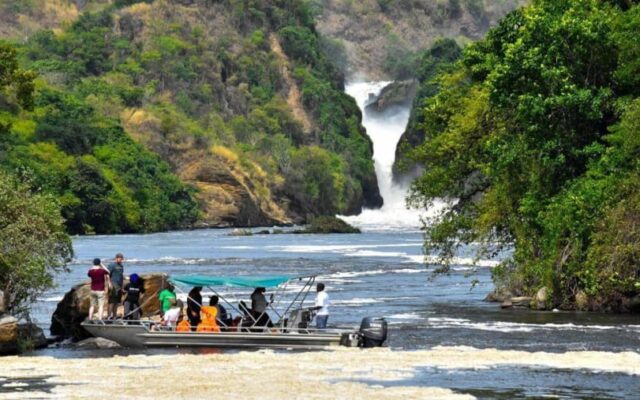
Murchison Falls National Park
One of Uganda’s strongest lion habitats and an essential conservation landscape.
Kidepo Valley National Park
Remote predator habitat with major wilderness conservation importance.
Protected Areas Matter
Protected ecosystems are essential for lion survival.
They provide:
- Territory space
- Prey protection
- Reduced conflict
- Law enforcement structure
- Tourism funding opportunities
Anti-Poaching Efforts
Effective conservation requires enforcement against illegal wildlife pressures.
Protection approaches may include:
- Ranger patrols
- Monitoring
- Protected area enforcement
- Wildlife crime prevention
Habitat Protection
Long-term lion conservation depends fundamentally on landscape protection.
Key priorities:
- Preserving protected areas
- Reducing encroachment
- Maintaining prey systems
- Supporting ecological integrity
Conflict Mitigation
Reducing human-lion conflict is one of conservation’s most critical priorities.
Strategies may involve:
- Community engagement
- Livestock protection
- Conservation incentives
- Coexistence planning
Community Conservation
Long-term lion survival depends on local community involvement.
Successful conservation requires people living near lion landscapes to benefit from protection.
Approaches include:
- Tourism employment
- Revenue sharing
- Conservation partnerships
- Education
- Livelihood diversification
Tourism and Lion Conservation
Tourism plays a major conservation role.
Responsible safari tourism contributes through:
- Protected area funding
- Employment
- Wildlife value creation
- Global awareness
- Long-term conservation incentives
Why Lion Tourism Matters
Lions are one of Africa’s strongest tourism flagship species.
Economic tourism value helps justify protection.
Tree-Climbing Lions and Conservation Value
Uganda’s tree-climbing lions are globally unique tourism assets.
This increases incentive for strong conservation management.
Research and Monitoring
Scientific monitoring helps support lion conservation.
Research contributes to:
- Population understanding
- Threat detection
- Movement insights
- Management planning
- Conflict analysis
Challenges in Lion Conservation
- Growing human populations
- Land pressure
- Conflict complexity
- Funding continuity
- Habitat fragmentation
- Prey pressures
Conservation Myths
Myth: Lions Are Safe Because They Are Famous
Reality: Public recognition does not guarantee conservation security.
Myth: Protected Parks Alone Solve Everything
Reality: Wider landscape pressures still matter.
Myth: Tourism Automatically Protects Lions
Reality: Tourism must be responsible and conservation-linked.
How Travelers Help Lion Conservation
Visitors can contribute by:
- Choosing responsible safari operators
- Supporting conservation tourism
- Respecting wildlife rules
- Promoting ethical wildlife experiences
Uganda’s Lion Conservation Strengths
- Protected predator ecosystems
- High safari tourism value
- Strong lion destinations
- Unique tree-climbing lions
- Conservation tourism potential
Interesting Conservation Facts
- Lions face major modern threats
- Habitat loss is a serious challenge
- Conflict is a major risk
- Tourism can support conservation
- Uganda protects iconic lion populations