Bird Watching in Queen Elizabeth National Park
With more than 600 recorded bird species, bird watching in Queen Elizabeth National Park ranks among the finest in Africa.
The park’s habitat diversity creates exceptional birding opportunities across wetlands, savannah, forests, crater lakes, and river systems.
Birders may encounter:
- Shoebill stork
- African fish eagle
- Saddle-billed stork
- martial eagle
- flamingos (seasonally in crater systems)
- pelicans
- bee-eaters
- hornbills
- kingfishers
- grey crowned crane
Both specialist birding itineraries and casual safari sightings are highly rewarding here.
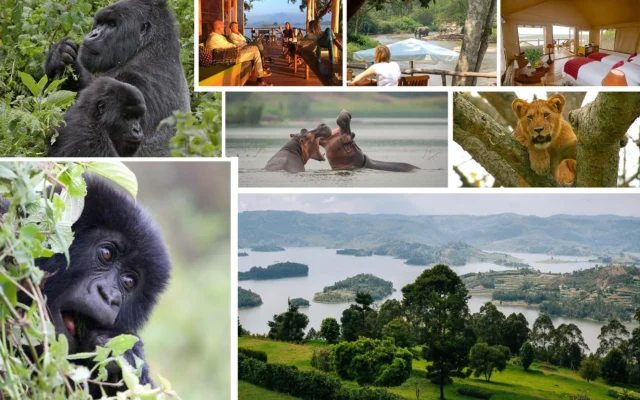
One of Uganda’s most iconic safari combinations pairs Queen Elizabeth National Park with Bwindi Impenetrable National Park.
Kibale National Park is a natural companion to Queen Elizabeth safari tours, especially for travelers seeking exceptional primate experiences.
After active wildlife exploration, Lake Bunyonyi offers a peaceful and scenic mountain retreat ideal for relaxation, photography, leisure travel, and honeymoon itineraries.
Continue planning Queen Elizabeth National Park with Queen Elizabeth National Park wildlife, Queen Elizabeth National Park best time to visit, and Queen Elizabeth National Park getting there, or read the main Queen Elizabeth National Park destination guide.
Overview of Queen Elizabeth National Park
Queen Elizabeth National Park is Uganda’s most diverse safari park and one of East Africa’s most compelling wildlife destinations. Covering nearly 2,000 square kilometers, the park protects an extraordinary range of ecosystems that support remarkable biodiversity and highly varied safari experiences.
Located in western Uganda between and , the park stretches across savannah plains, wetlands, crater fields, volcanic landscapes, riverine habitats, and tropical forest zones. The dramatic backdrop of the further enhances the park’s visual appeal, making it one of the most scenic safari destinations in Africa.
What makes Queen Elizabeth National Park safaris especially attractive is the sheer diversity of experiences available within a single destination.
Travelers can enjoy classic wildlife in open plains, predator tracking in the Kasenyi sector, unforgettable , , in wetlands and savannah, , and the rare opportunity to search for in Ishasha.
This diversity makes suitable for first-time safari travelers, photographers, wildlife enthusiasts, families, birders, and multi-destination .
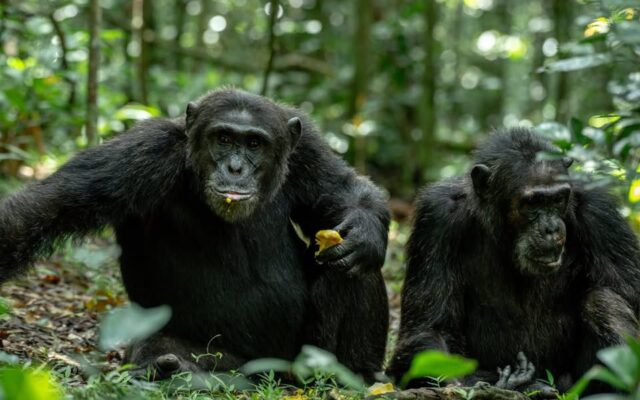
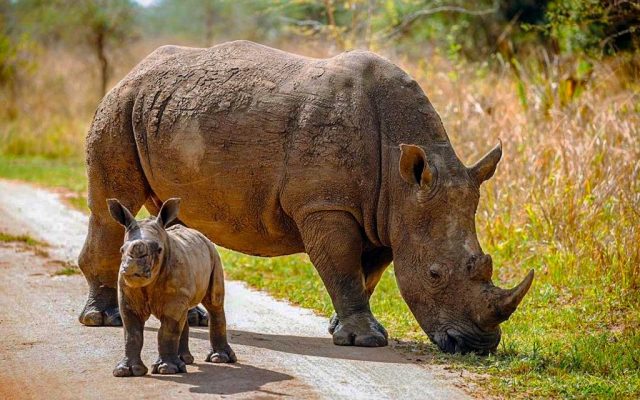
The park’s wildlife is impressive. Large mammal populations include elephants, buffaloes, lions, leopards, hippos, Uganda kobs, waterbucks, bushbucks, warthogs, and giant forest hogs. Chimpanzees and other primates add a forest component rarely found in traditional savannah parks.
Bird life is equally extraordinary. With more than 600 recorded bird species, Queen Elizabeth National Park ranks among Africa’s premier birding destinations.
The park is broadly experienced through several distinct safari zones.
Kasenyi Plains
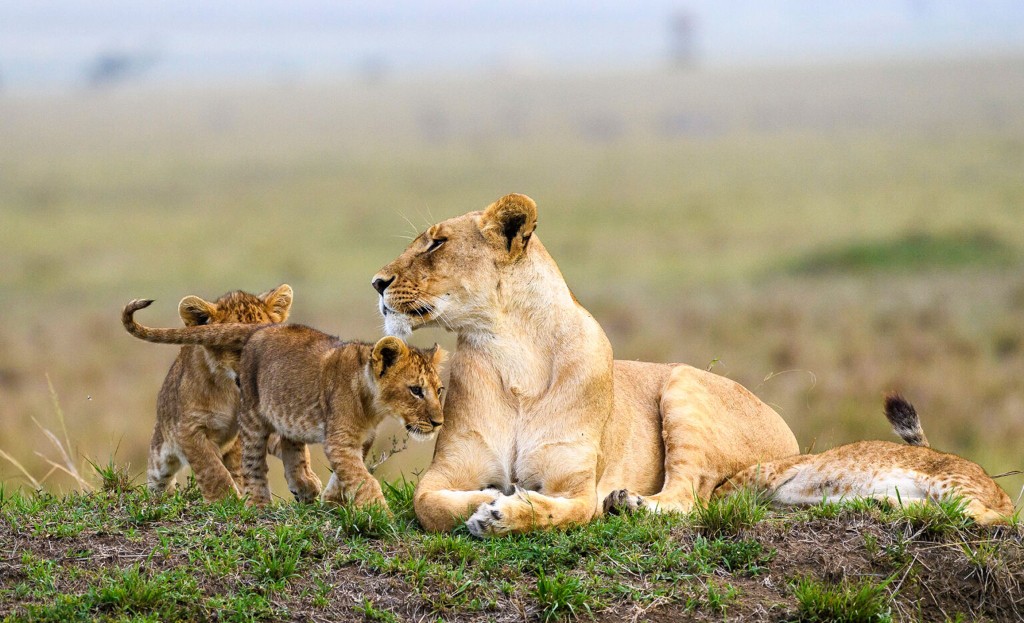
The Kasenyi sector is famous for classic game drives, predator sightings, and open wildlife photography opportunities. This is one of the park’s best areas for lions, elephants, buffaloes, and antelope.
Kazinga Channel
The iconic connects and and delivers one of East Africa’s finest boat safari experiences, famous for enormous hippo concentrations and exceptional bird life.
Ishasha Sector
Southern Ishasha is internationally famous for its tree-climbing lions, one of the most sought-after wildlife sightings in Uganda.
Kyambura Gorge
This dramatic forested gorge offers chimpanzee trekking experiences within the broader park ecosystem.
Queen Elizabeth National Park combines exceptionally well with , , , and , making it one of Uganda’s strongest safari building blocks.
Why Visit Queen Elizabeth National Park?
Queen Elizabeth National Park stands out because few safari destinations offer such extraordinary ecosystem diversity and activity variety in one location.
Classic Wildlife Safaris
Travelers seeking authentic Uganda wildlife safaris will find exceptional opportunities here. Game drives regularly reveal elephants, buffaloes, antelope, predators, and classic savannah wildlife encounters.
Kazinga Channel Boat Safaris
The Kazinga Channel boat cruise is one of Uganda’s signature safari experiences, delivering extraordinary concentrations of hippos, crocodiles, birds, and riverside wildlife.
Tree-Climbing Lions
The Ishasha sector offers one of Africa’s rarest predator experiences: searching for lions resting in fig trees.
Chimpanzee Trekking
Unlike many savannah parks, Queen Elizabeth safaris can include through the dramatic forests of Kyambura Gorge.
Exceptional Bird Watching
With more than 600 bird species, this is one of Africa’s most rewarding birding destinations.
Outstanding Safari Combinations
The park integrates naturally into broader Uganda itineraries combining gorilla trekking, chimpanzees, scenic lake retreats, and wildlife safaris.
Top Things to Do in Queen Elizabeth National Park
Queen Elizabeth National Park safaris offer extraordinary variety, making the destination one of Uganda’s most versatile safari parks.
Game Drives
Explore wildlife-rich plains in search of lions, elephants, buffaloes, and antelope.
Kazinga Channel Boat Cruise
Experience one of East Africa’s most iconic wildlife boat safaris.
Tree-Climbing Lion Tracking
Search for Ishasha’s legendary lions resting in fig trees.
Chimpanzee Trekking
Track chimpanzees in the dramatic forests of Kyambura Gorge.
Bird Watching
Discover one of Africa’s richest birding destinations.
Crater Lake Exploration
Explore scenic volcanic crater landscapes surrounding the park.