Bird watching at Lake Mburo National Park
Bird watching in Lake Mburo National Park is one of southwestern Uganda's most accessible specialist experiences. The park is compact — roughly 370 square kilometres — yet habitat diversity is high: rolling acacia woodland, open grassland, rocky ridges, seasonal wetlands, and the permanent waters of Lake Mburo and associated lakes. That mosaic supports a list exceeding 350 species, including savannah raptors, woodland weavers, papyrus specialists, and lake-edge waders. For travelers routing from Kampala toward Mbarara, gorilla parks, or Queen Elizabeth National Park, Mburo is often the first serious birding stop on the western highway.
Unlike rainforest sites such as Kibale National Park or Bwindi Impenetrable National Park, where understorey skulkers dominate, Mburo birding is open, visual, and well suited to binocular work from vehicles, on foot, and from a boat. Casual birders enjoy colorful kingfishers and fish eagles; listers target papyrus endemics and seasonal migrants. The park's modest visitor density means you can spend a morning on a single wetland edge without convoys of vehicles disturbing the same pool.
Lake and wetland birds
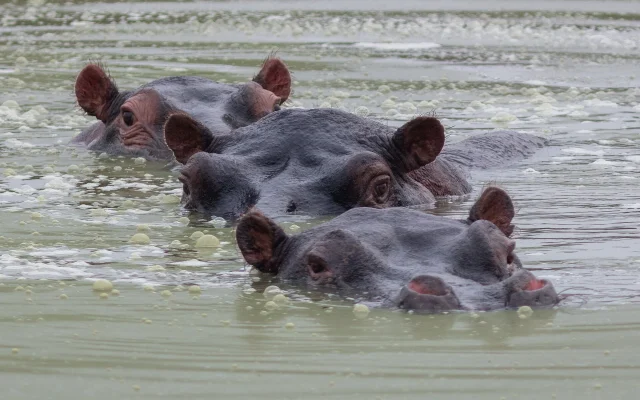
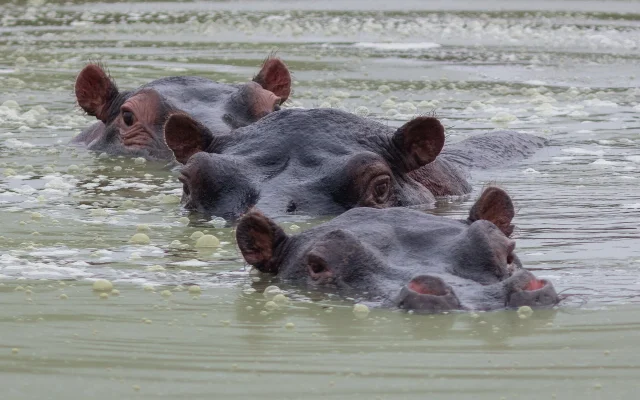
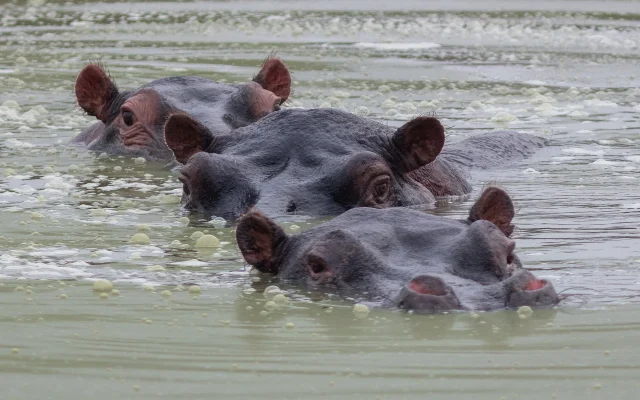
A boat safari on Lake Mburo is as much a birding session as a hippo cruise. African fish eagles call from snags; pied and malachite kingfishers hunt from perches; cormorants and darters dry wings on rocks; herons and egrets stalk shallows; African jacanas step across floating vegetation. Pelicans and storks may appear when water levels and season align. Hippos and crocodiles share the frame — useful context for photographers building portfolio sequences that mix megafauna and avifauna.
Papyrus margins hold some of the park's most sought-after targets. The papyrus gonolek is a headline species for serious Uganda birders — a loud, striking resident of wetland fringes that rewards patient scanning rather than drive-by luck. Papyrus yellow warbler, swamp flycatcher, and various weavers and bishops use the same habitat matrix. Walking trails that skirt wetlands, combined with a boat loop, cover vertical structure from reed base to open sky.
Woodland, savannah, and raptor birding
Acacia woodland and open savannah support a different set of species: lilac-breasted roller, bare-faced go-away bird, black-headed gonolek, green wood-hoopoe, and numerous cisticolas and waxbills whose identification challenges listers. Raptors include martial eagle, bateleur, snake eagle, and hawk-eagles working thermals above zebra and impala country. Early-morning game drives double as bird drives when guides stop for raptors on kills, vultures at carcasses, or secretarybirds striding through grass — less common than in some East African parks but still possible.
Because zebras and impala concentrate in open valleys, birders using drives often pick up oxpecker associations, cattle egrets on grazing mammals, and ground birds such as coqui francolin or harlequin quail when grass height permits. Dry-season burns and grazing pressure change what is visible week to week; local guide knowledge matters.
Seasons, migrants, and daily timing
Year-round resident birding is strong — Mburo does not shut down in rainy months the way some mountain trails might. Palearctic and intra-African migrants nonetheless boost diversity roughly from October through March, overlapping with the period many international travelers visit. Woodland and wetland edges may show different migrant mixes in the same week; eBird checklists from recent visits help set expectations.
Morning remains the best window: cooler temperatures, active feeding, softer light for photography, and calmer water for boat departures. Afternoon storms during rainy seasons can interrupt outings; planners building tight connections to Queen Elizabeth or Lake Bunyonyi should keep half a day flexible for weather.
Gear, guides, and pacing
Bring 8×42 binoculars as a practical default; savannah and boat birding rarely demand extreme magnification unless photographing distant raptors. A Uganda field guide or eBird app helps between stops. Telephoto lenses suit fish eagles, kingfishers, and roller portraits; pack rain cover in wet months. Neutral clothing, sun protection, and insect repellent for wetland walks complete the kit.
Uganda Wildlife Authority guides and lodge naturalists vary in birding depth — request a bird-focused guide when building a list is the trip priority. Walking safaris with rangers add ground-level species and acoustic cues drives miss. Rushing a single game drive rarely satisfies serious birders; allow at least one boat session and one walk if time permits.
Combining Mburo with other birding sites
Mburo pairs naturally with Queen Elizabeth for savannah and waterbirds on the Kazinga Channel, with Kibale for forest frugivores and parrots, and with Bigodi Wetland Sanctuary or Katonga Wildlife Reserve for papyrus continuity on custom western routes. Igongo Cultural Centre breaks the drive from Kampala without costing a birding morning if timed as lunch.
Central Uganda wetland sites such as Mabamba Swamp excel for shoebills on arrival day; Mburo excels for savannah–woodland–lake integration on the southwest road. Together they illustrate Uganda's freshwater and savannah birding breadth.
Practical list-building on a short stay
Many travelers spend only one or two nights in Lake Mburo National Park. A productive sequence: dawn drive for raptors and open-country species, late-morning walk for woodland edge and francolins, afternoon boat for lake and papyrus targets, dusk optional for nightjar listening near lodge grounds. Two nights beat one for papyrus gonolek effort and repeat scans after weather clears.
See also our Lake Mburo National Park wildlife, best time to visit, and getting there pages for ecology, seasons, and access from Mbarara.