Best time to visit Lake Mburo National Park
Unlike gorilla trekking, where permit scarcity shapes calendars, Lake Mburo National Park is flexible. There is no daily quota for zebras or impala. The planning questions are practical: How many nights can you spare between Kampala and Bwindi? Will you drive via Mbarara the same day you arrive from Entebbe? Do you want dry-season ease for walking safaris or greener landscapes for photography? And are you chaining Mburo with Queen Elizabeth National Park before continuing west?
As Uganda's most accessible savannah national park — roughly four to five hours from Kampala — Mburo appears on weekend escapes, one-night stopovers, and two-night wildlife breaks as often as on long safari circuits. Season choice affects road comfort on the Masaka–Mbarara corridor, lodge availability, and how pleasant midday boat cruises feel, not whether the park is open or worth visiting.
Time of day: mornings and late afternoons
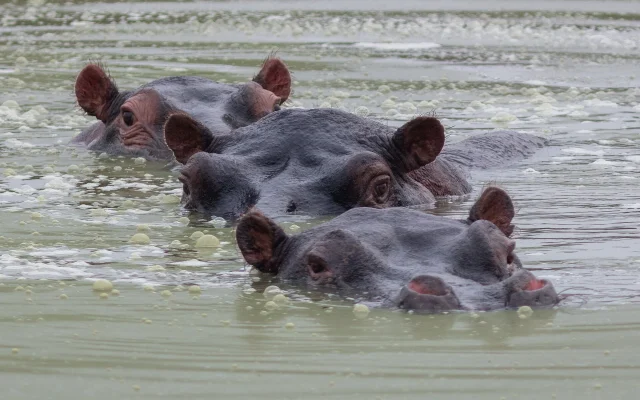
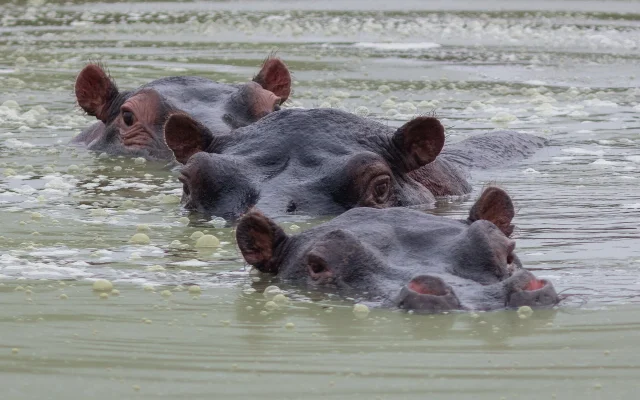
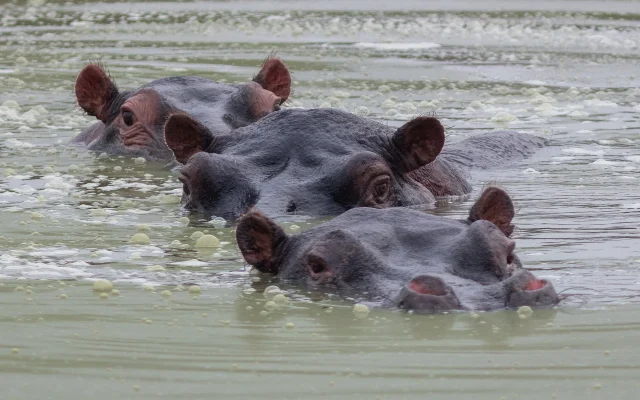
Regardless of month, early morning is prime for game drives and walking safaris. Wildlife is active, temperatures are cooler in open savannah, and light favors photography of zebra and impala herds. Late afternoon drives repeat those advantages before sundown. Midday heat pushes many animals into acacia shade; use that window for lunch, lodge rest, or a slow boat safari on Lake Mburo where hippos and waterbirds remain visible from shaded seats on the water.
Travelers who treat Mburo as a highway stop sometimes arrive too late for a meaningful drive. If your Kampala or Entebbe departure is delayed by traffic, prioritize the following dawn rather than a rushed dusk loop on arrival night.
Dry season: June–September and December–February
Uganda's broadly drier windows — roughly June through September and December through February — are the most popular periods for Lake Mburo safaris. Grass is shorter, wildlife concentrates near water, tracks inside the park are easier, and walking safaris are comfortable underfoot. These months align with international holidays and European summer travel, so lodges and guides near Mbarara and park gates fill earlier; book ahead when dates are fixed.
Dry-season skies simplify logistics for multi-destination routes: Mburo to Queen Elizabeth, Mburo to Lake Bunyonyi, or Mburo to Bwindi with fewer mud delays on secondary roads. Photographers may find landscapes browner than in wet months, but wildlife visibility often improves — especially for scanning mixed herds of impala, topi, and waterbuck across open valleys.
Wet season: March–May and October–November
Rainier periods centered on March to May and October to November bring lush acacia woodland, dramatic cloudscapes, active bird life, and fewer competing visitors at times. Zebras and impala remain present; the experience shifts toward greener aesthetics and stronger migrant bird diversity rather than absent wildlife. Trade-offs include softer internal tracks after heavy rain, occasional afternoon showers interrupting drives, and higher grass that can obscure smaller ground birds.
Wet-season travelers should pack light rain gear, allow flexible scheduling, and confirm boat operations if wind or storms pick up — uncommon but possible. The main highway through Mbarara stays tarmac; it is park-side loops and lodge access roads that deserve caution after sustained rain.
Birding and migration windows
Resident birds — fish eagles, kingfishers, papyrus gonolek, rollers, raptors — occur throughout the year. Birders targeting Palearctic migrants and broader list-building often favor roughly October to March, when additional waterbirds and woodland migrants supplement residents. Combining Mburo with Queen Elizabeth or Kibale spreads season risk across habitats on the same trip.
Serious birding itineraries sometimes place Mburo as night one or two on the southwest road, then continue to Queen Elizabeth's Kazinga Channel or Kibale's forest — season choice becomes about the whole western loop, not Mburo alone.
Holiday weeks and short escapes
Christmas, Easter, and Ugandan public holidays increase demand for weekend safaris from Kampala. Mburo's proximity makes it the default short-break park — lodges can book out even when gorilla permits remain available elsewhere. Reserve accommodation when you confirm Mbarara or park transfers, not the night before departure.
Business travelers with one spare night in Kampala often slot Mburo in dry months for predictable returns to the capital Monday morning. Wet-month spontaneity works if you accept flexible activity timing.
Stopover vs dedicated stay
One night suits highway stopovers: afternoon boat, dawn drive, continue toward Bwindi or Queen Elizabeth. Two nights allow walking safaris, repeat drives, horseback options where available, and unhurried birding. Three nights appeals to photographers and families who want Mburo as the wildlife focus rather than a transit pause. Season matters less for a three-night stay than for a single afternoon en route.
Pair cultural context at Igongo Cultural Centre with dry-season clarity on drive days, or schedule Igongo as a lunch break when rain is likely in afternoon park sessions.
Month-by-month snapshot
January–February: Often drier, strong wildlife visibility, popular with travelers escaping northern winter; book lodges early.
March–May: Rainier, lush scenery, excellent birding after showers; flexible timing helps.
June–August: Drier, peak travel season, comfortable walking safaris; highway and park tracks generally cooperative.
September: Transition month — still workable; watch for early rains locally.
October–November: Second rainy peak possible; migrant birds increasing for listers.
December: Holiday demand from Kampala and Entebbe; morning starts essential on busy weekends.
For wildlife detail and access routes, pair this page with our Lake Mburo National Park wildlife, bird watching, and getting there guides.