Lake Mburo National Park — questions travelers ask before booking
Lake Mburo National Park is Uganda's smallest savannah national park and one of its most versatile — a compact landscape of acacia woodland, open grassland, wetlands, and lakes where zebras and impala are everyday sightings, not lucky exceptions. Unlike remote wilderness parks, Mburo sits on the practical southwestern highway between Kampala and Mbarara, which makes it a stopover candidate on almost every route toward Queen Elizabeth National Park, Bwindi Impenetrable National Park, and Lake Bunyonyi.
Understanding what Mburo is — intimate savannah with walking safaris and boat cruises, not a lion-dominated blockbuster — prevents the common mismatch of expecting Queen Elizabeth scale in a 370-square-kilometre park. Visitors who want activity variety, family-friendly pacing, and strong photography often rank Mburo higher than travelers whose sole goal is leopard or lion drama.
Worth visiting, and how many days
Yes — Lake Mburo is worth visiting for most southwestern Uganda itineraries, especially when you have one or two nights available on the highway. One night supports an afternoon boat on Lake Mburo plus a dawn game drive before continuing west. Two nights allow walking safaris, repeat drives, birding sessions, and optional horseback outings where operators run them. Three nights suits photographers and families treating Mburo as the wildlife focus rather than a transit pause.
Skipping Mburo entirely to save one night is possible but trades away Uganda's most reliable impala viewing and among the country's best supported walking safaris — a poor swap for many first-time safari visitors who will not return to the same highway soon.
Signature experiences: boat, walks, and drives
Boat safaris on Lake Mburo are calm, seated wildlife viewing — hippos, crocodiles, fish eagles, kingfishers, herons — ideal for travelers who want a break from vehicle dust. Walking safaris with armed rangers are a defining feature; lower predator pressure makes them viable in ways they are not in parks where lion encounter protocols dominate. Game drives remain excellent for zebra herds and mixed antelope in open valleys.
Horseback safaris operate seasonally through approved operators; treat them as a bonus activity, not a guaranteed daily option. Confirm availability when booking lodges, especially in peak dry-season weeks.
Wildlife expectations and predators
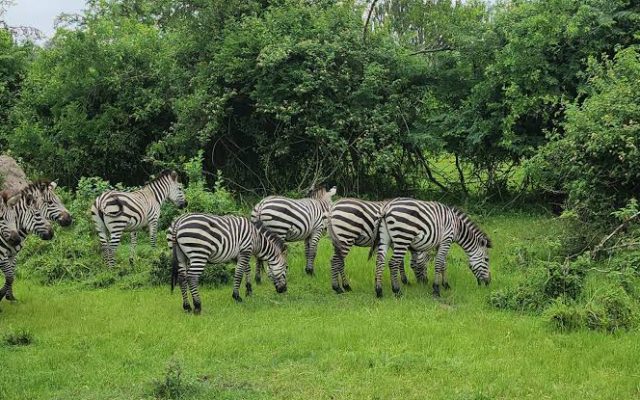
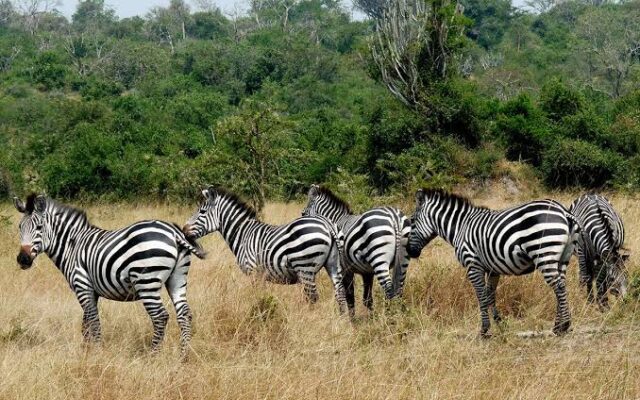
Mburo is famous for zebras, impala, Rothschild's giraffe, eland, buffalo, hippos, and crocodiles, plus 350-plus bird species. Leopard occur but are rarely seen; lion are not the park's marketing headline. Travelers needing guaranteed big-cat focus should plan deeper time in Queen Elizabeth or northern parks — while still enjoying Mburo for herbivore intimacy and active formats.
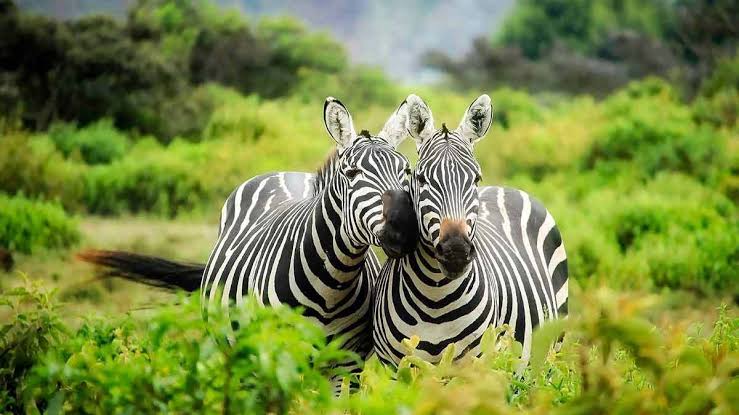
Impala scarcity elsewhere in Uganda is a genuine list and photography reason to stop. The park's East African savannah aesthetic — striped zebras on golden grass — fills portfolios that rainforest-only itineraries lack.
Families, first-timers, and accessibility
Short drive times from Kampala, moderate lodge price spread, and varied activities make Mburo family-friendly. Boats suit children who tire on long drives; walking safari age limits and fitness rules apply — ask your operator for current UWA policy. First-time safari visitors get classic savannah mammals without the overwhelm of larger park logistics.
Weekend escapes from Kampala peak on dry-season holidays; book lodges when you fix dates, not the day before departure.
Combining with gorilla trekking and Queen Elizabeth
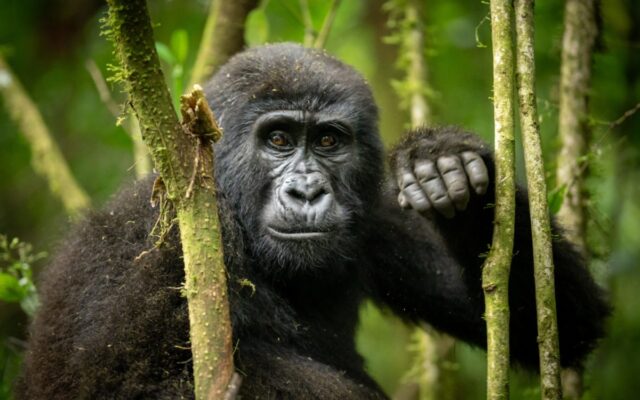
Combining Mburo with Bwindi gorilla trekking is one of Uganda's strongest patterns: savannah zebras and boat time before forest permits and steep trekking days. Pairing with Queen Elizabeth adds Kazinga Channel breadth and stronger predator potential after Mburo's compact introduction.
Igongo Cultural Centre near Mbarara adds Ankole culture without a detour. Kibale National Park fits farther north on primate-focused loops. See our best time to visit and getting there pages for season and drive detail.
Packing, fees, and responsible travel
Pack neutral safari clothing, sun protection, binoculars, and light rain gear in wet months. Walking shoes with ankle support matter for guided walks. Park fees and activity charges apply separately from lodge rates — confirm boat and walk bookings through your lodge or tour operator. Stay on designated routes, follow ranger instructions on walks, and keep distance from wildlife during drives.
Mburo borders active ranch land; respect cattle corridors and community members on access roads. Tourism supports conservation when fees flow to UWA and local employment stays in lodges and guiding — treat the park as a shared landscape, not an empty wilderness set.
Where to read next
Wildlife and ecology: Lake Mburo wildlife.
Bird lists and lake species: Lake Mburo bird watching.
Seasons and months: best time for Lake Mburo.
Kampala and Mbarara access: how to get to Lake Mburo.
The main Lake Mburo National Park destination guide covers the full hub overview, nearby combinations, and safari planning context.