Explore this species across our habitat guide, where to see page, and safari planning resources - plus parks such as linked destinations.
From open savannahs and acacia woodlands to rocky escarpments, riverine thickets, and forest-edge environments, African leopards use habitat in highly strategic ways. Concealment is central to leopard survival, influencing hunting behaviour, daytime resting locations, territorial movement, and cub protection.
Uganda offers rewarding leopard habitat across several protected ecosystems, making it one of East Africa’s exciting predator safari destinations.
This guide explores where African leopards live, habitat types, Uganda leopard ecosystems, habitat adaptations, ecological needs, and conservation threats affecting leopard landscapes.
Where Do African Leopards Live?
African leopards occur across sub-Saharan Africa wherever prey, cover, and ecological stability support survival.
Historically, leopard distribution was even broader, but habitat pressure and human conflict have reduced presence in some regions.
Today, protected wildlife ecosystems remain essential strongholds.
Countries with African Leopard Populations
Important leopard safari destinations include:
- Uganda
- Kenya
- Tanzania
- Botswana
- Zambia
- Zimbabwe
- Namibia
- South Africa
- Rwanda
Where African Leopards Live in Uganda
1. Murchison Falls National Park
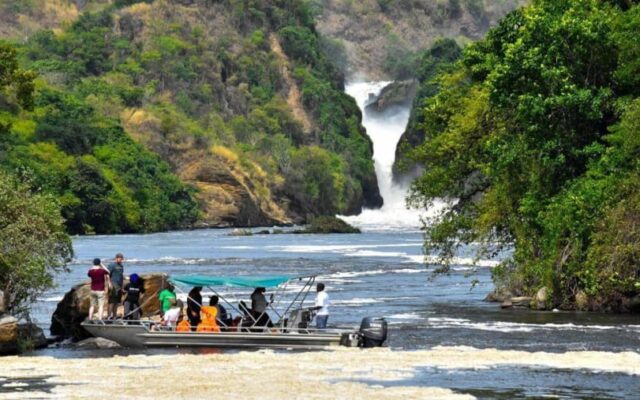
Murchison Falls National Park is Uganda’s premier leopard habitat and strongest leopard safari ecosystem.
Habitat features include:
- Open savannah hunting zones
- Woodland systems
- Riverine vegetation
- Dense cover patches
- Large predator territories
This ecological diversity creates ideal leopard conditions.
2. Queen Elizabeth National Park
Queen Elizabeth supports highly suitable leopard habitat across diverse landscapes.
Habitat includes:
- Savannah grasslands
- Woodland habitat
- Thickets
- Mixed predator ecosystems
3. Kidepo Valley National Park
Kidepo provides dramatic remote leopard habitat in one of East Africa’s wildest landscapes.
4. Lake Mburo National Park
Lake Mburo offers suitable leopard habitat with mixed woodland and open ecosystem structure.
Main African Leopard Habitat Types
1. Savannah Habitat
Classic leopard safari habitat.
Advantages include:
- Abundant prey opportunities
- Movement flexibility
- Strategic concealment patches
- Mixed predator ecology
2. Woodland Habitat
Woodlands are excellent leopard environments.
Benefits include:
- Dense concealment
- Daytime resting cover
- Ambush hunting opportunities
- Shade protection
3. Riverine Habitat
River corridors often create exceptional leopard habitat.
Advantages:
- Dense vegetation cover
- Prey movement concentration
- Water access
- Safe movement corridors
4. Rocky Habitat
Rocky terrain provides:
- Resting security
- Observation points
- Shelter opportunities
- Predator advantage terrain
5. Forest Edge Habitat
Forest margins may support leopard hunting and concealment opportunities.
What Makes Good Leopard Habitat?
Concealment
Perhaps the single most important habitat feature.
Cover supports:
- Ambush hunting
- Predator security
- Resting concealment
- Cub protection
Prey Availability
Leopards require sustainable prey populations.
Important prey categories:
- Antelope
- Small mammals
- Birds
- Medium-sized prey species
Territory Space
Leopards need sufficient space for:
- Hunting
- Movement
- Breeding access
- Resource competition avoidance
Water Access
While not as water-dependent as some herbivores, functioning ecosystems require water stability.
Low Disturbance
Human disturbance can degrade habitat suitability significantly.
Habitat and Leopard Behaviour
Habitat strongly shapes leopard behaviour.
Examples include:
- Ambush hunting strategy
- Resting concealment choice
- Territory movement
- Cub denning decisions
- Nocturnal movement routes
Habitat and Solitary Living
Leopard territorial behaviour depends heavily on habitat structure and resource distribution.
Seasonal Habitat Use
Leopards may adjust movement according to:
- Prey movement
- Water availability
- Vegetation conditions
- Human pressure
Habitat Adaptations
Camouflage
Rosette patterns provide extraordinary habitat blending.
Climbing Ability
Supports habitat flexibility and safety.
Stealth Movement
Critical in dense and mixed habitats.
Behavioural Flexibility
One of leopard survival’s greatest strengths.
Competition and Habitat
Leopard habitat often overlaps with other predators.
Potential interactions include:
- Lions
- Hyenas
- Other carnivores
Habitat Threats
1. Habitat Loss
Major leopard conservation threat.
Main drivers:
- Agricultural expansion
- Settlement growth
- Infrastructure development
- Land conversion
2. Habitat Fragmentation
Fragmentation disrupts leopard movement and territory viability.
3. Human Encroachment
Encroachment reduces habitat quality and increases conflict risk.
4. Prey Decline
Habitat without prey cannot support leopards.
Protected Leopard Habitats in Uganda
- Murchison Falls National Park
- Queen Elizabeth National Park
- Kidepo Valley National Park
- Lake Mburo National Park
Uganda Leopard Habitat Comparison
Murchison
- Best leopard habitat
- Strong predator ecosystem
- Diverse cover and hunting zones
Queen Elizabeth
- Excellent mixed habitat
- Strong safari predator potential
Kidepo
- Remote wilderness habitat
- Dramatic predator landscapes
Lake Mburo
- Accessible leopard habitat
- More patient sightings required
Climate and Habitat
Rainfall influences vegetation density, prey movement, and habitat productivity.
Conservation Importance of Habitat
Leopard conservation depends heavily on protecting functioning predator ecosystems.
Key priorities:
- Protected habitat management
- Predator landscape conservation
- Prey protection
- Habitat connectivity
- Conflict reduction
Interesting Habitat Facts
- Leopards thrive in diverse ecosystems
- Concealment is critical habitat value
- Murchison is Uganda’s strongest leopard ecosystem
- Riverine habitat often supports leopard movement
- Habitat fragmentation threatens leopard survival