Explore this species across our habitat guide, where to see page, and safari planning resources - plus parks such as linked destinations.
Unlike herd animals that may be visible in large open groups, leopards rely on concealment, stealth, low-light movement, and territory behaviour. This means vegetation density, road accessibility, prey movement, safari timing, and seasonal habitat conditions all affect viewing opportunities.
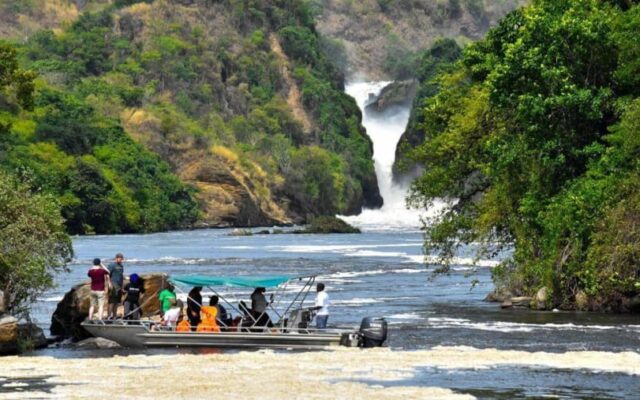
Uganda offers rewarding leopard safari experiences across Murchison Falls National Park, Queen Elizabeth National Park, Kidepo Valley National Park, and occasionally Lake Mburo National Park.
This guide explores the best time to see African leopards, monthly safari conditions, seasonal predator behaviour, and destination-specific travel planning insights.
Can You See African Leopards Year-Round?
Yes.
Leopards remain resident in established territories throughout the year.
However, because they are among Africa’s most elusive Big Five species, visibility varies far more than with species such as buffalo or elephants.
What Changes by Season?
Season influences:
- Vegetation density
- Predator visibility
- Road access
- Photography conditions
- Prey movement patterns
- Low-light viewing opportunities
- Safari comfort
Understanding Leopard Safari Seasons
Uganda’s safari calendar broadly divides into:
- Dry seasons
- Wet seasons
Dry Season Leopard Viewing
Main Dry Seasons in Uganda
- December to February
- June to September
These are generally the strongest safari periods for predator visibility.
Why Dry Season Is Excellent
- Reduced vegetation improves sightings
- Road conditions improve
- Predator movement becomes easier to observe
- Game drives become more efficient
- Photography improves significantly
- Prey concentrations may become more predictable
Potential Downsides
- Higher safari demand
- Peak pricing
- Advance booking pressure
Wet Season Leopard Viewing
Main Wet Seasons
- March to May
- October to November
Advantages
- Lush beautiful scenery
- Excellent dramatic photography
- Fewer tourists
- Atmospheric safari conditions
- Productive prey ecosystems
Challenges
- Dense vegetation concealment
- Reduced predator visibility
- Muddy roads
- Rain interruptions
- More difficult tracking conditions
How Seasons Affect Leopard Behaviour
Leopards remain active year-round, but environmental conditions influence behaviour and sighting probability.
Important drivers:
- Prey movement
- Cover availability
- Temperature
- Competition pressure
- Habitat productivity
Dry Season Leopard Behaviour
Dry conditions may create:
- Better predator visibility
- More open hunting zones
- Improved road-based sightings
- Easier guide tracking
Wet Season Leopard Behaviour
Wet conditions may produce:
- Greater concealment advantage
- Broader habitat movement
- Reduced sighting probability
Month-by-Month Leopard Safari Guide
January
Excellent leopard safari month.
- Dry conditions
- Improved predator visibility
- Excellent game drives
February
Another excellent leopard safari period.
March
Transition into wetter conditions.
- Greener scenery
- Changing visibility
- Potential rain interruptions
April
Typically wetter conditions.
- Dense vegetation
- Reduced leopard visibility
- More difficult safari logistics
May
Wet conditions may continue.
June
Conditions improve strongly.
- Better predator visibility
- Excellent safari access
- Improved tracking opportunities
July
Peak leopard safari month.
Outstanding conditions for predator safaris.
August
Excellent leopard viewing period.
September
Strong safari conditions continue.
October
Rain likelihood increases.
November
Greener safari conditions with reduced visibility.
December
Strong safari month with holiday demand.
Best Time by Uganda Destination
Murchison Falls National Park
Uganda’s strongest leopard safari destination, especially during dry periods.
Best Months
- January
- February
- June
- July
- August
Queen Elizabeth National Park
Excellent predator safari destination year-round, though dry periods improve sightings.
Kidepo Valley National Park
Best during drier conditions for easier predator visibility and access.
Lake Mburo National Park
More opportunistic leopard sightings, but dry periods improve viewing conditions.
Best Time for Leopard Photography
Photography success depends on:
- Visibility
- Light quality
- Road access
- Predator activity timing
- Habitat openness
Dry Season Photography
- Cleaner sightlines
- Better predator detection
- Reliable safari logistics
- Improved behavioural opportunities
Wet Season Photography
- Dramatic skies
- Lush green predator imagery
- Atmospheric safari visuals
Best Time for Big Five Leopard Safaris
Dry seasons are strongest for travelers pursuing complete Big Five experiences.
Best Time for Luxury Leopard Safaris
Luxury travelers often prefer dry-season predictability and smoother safari logistics.
Best Time for Budget Travelers
Shoulder and wetter seasons may offer better pricing flexibility.
Best Time of Day to See Leopards
Leopards are often most active during:
- Early morning
- Late afternoon
- Dusk
- Night (where permitted safari activities exist)
Packing by Season
- Neutral safari clothing
- Binoculars
- Camera gear
- Sun protection
- Rain jacket (wet season)
- Layered safari wear
Season Comparison
Dry Season
- Best leopard visibility
- Easier safari logistics
- Peak safari demand
Wet Season
- Beautiful scenery
- Fewer tourists
- Reduced predator sightings
Interesting Timing Facts
- Leopards can be seen year-round
- Dry seasons improve visibility dramatically
- Murchison is Uganda’s strongest leopard destination
- Leopards are harder to spot than most Big Five species
- Early morning predator activity often produces the best sightings