Explore this species across our habitat guide, where to see page, and safari planning resources - plus parks such as linked destinations.
Unlike highly specialized wildlife species restricted to narrow ecological zones, African buffalo are adaptable large grazers capable of thriving across a range of sub-Saharan habitats, provided critical ecological conditions are met. Their habitat choices are shaped by water dependency, grazing needs, predator pressure, social herd behaviour, and seasonal environmental productivity.
Uganda offers exceptional buffalo habitats across multiple protected ecosystems, making it one of East Africa’s strongest buffalo safari destinations.
This guide explores where African buffalo live, habitat types, Uganda buffalo ecosystems, habitat adaptations, and the conservation challenges affecting buffalo landscapes.
Where Do African Buffalo Live?
African buffalo occur across sub-Saharan Africa in ecosystems where sufficient grazing resources, water, movement space, and protected habitat remain.
Historically, buffalo occupied broader ranges, but modern habitat pressures have reduced distribution in some regions.
Today, protected wildlife ecosystems remain the strongest buffalo habitats.
Countries with African Buffalo Populations
Important buffalo safari destinations include:
- Uganda
- Kenya
- Tanzania
- Botswana
- Zambia
- Zimbabwe
- Namibia
- South Africa
Where African Buffalo Live in Uganda
1. Murchison Falls National Park
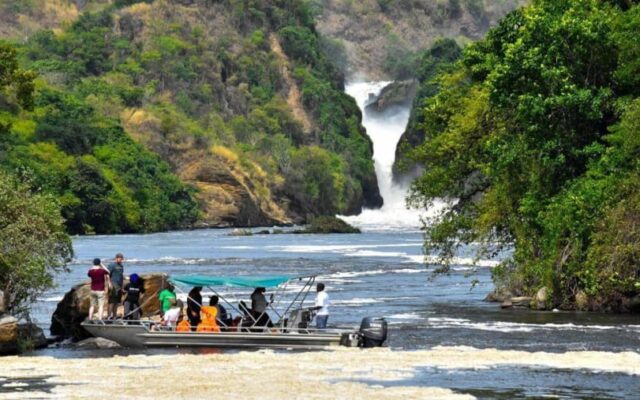
Murchison Falls National Park is Uganda’s strongest buffalo habitat and one of East Africa’s premier buffalo ecosystems.
Habitat features include:
- Open savannah grasslands
- Woodland systems
- Floodplain wildlife zones
- Riverine ecosystems
- Large protected movement landscapes
This combination creates ideal buffalo conditions.
2. Queen Elizabeth National Park
Queen Elizabeth supports extensive buffalo habitat through diverse ecological landscapes.
Habitat includes:
- Savannah plains
- Wetland edges
- Woodland habitat
- Mixed wildlife ecosystems
3. Kidepo Valley National Park
Kidepo offers dramatic remote buffalo habitat in northern Uganda’s wilderness landscapes.
4. Lake Mburo National Park
Lake Mburo provides productive accessible buffalo habitat in southwestern Uganda.
Main African Buffalo Habitat Types
1. Savannah Habitat
The classic buffalo habitat.
Key features:
- Grass availability
- Open movement space
- Predator visibility
- Seasonal productivity
Savannah supports classic buffalo safari sightings.
2. Woodland Habitat
Woodland environments provide:
- Shade
- Resting cover
- Temperature relief
- Movement protection
3. Floodplains
Floodplain systems provide highly productive grazing and wildlife concentration zones.
4. Riverine Habitat
Water systems are critically important because buffalo depend heavily on reliable water.
Benefits include:
- Drinking access
- Nearby grazing productivity
- Cooling opportunities
- Movement stability
5. Mixed Habitat Ecosystems
Many top buffalo habitats combine multiple ecological zones, increasing resilience and resource availability.
What Makes Good Buffalo Habitat?
Reliable Grazing
Buffalo are grazing herbivores requiring sufficient vegetation productivity.
Important resources:
- Grass
- Fresh forage
- Seasonal grazing opportunities
Water Access
Buffalo are strongly water dependent.
Water supports:
- Drinking
- Cooling
- Movement stability
- Habitat viability
Movement Space
Large herds require movement room for:
- Feeding
- Water access
- Predator avoidance
- Seasonal habitat use
Protection Structure
Habitat should offer opportunities for rest, cover, and ecological balance.
Stable Protected Landscapes
Human disturbance can degrade buffalo habitat quality.
Habitat and Buffalo Behaviour
Habitat strongly shapes buffalo behaviour.
Examples include:
- Herd movement
- Water visitation
- Predator vigilance
- Resting location choice
- Seasonal grazing patterns
Habitat and Herd Living
Buffalo social systems depend on habitat conditions that support coordinated herd survival.
Seasonal Habitat Use
Buffalo may shift habitat emphasis depending on:
- Water availability
- Grass productivity
- Heat conditions
- Predator pressure
Habitat Adaptations
Heavy Build
Supports resilience in open predator-rich habitats.
Horns
Important defensive adaptation for dangerous ecosystems.
Social Herd Structure
Collective survival improves habitat success.
Water Dependency Adaptation
Habitat selection reflects physiological needs.
Predators and Habitat
Buffalo habitat overlaps strongly with predator ecosystems.
Important predator interactions occur especially with:
- Lions
- Hyenas
- Other carnivores
Habitat Threats
1. Habitat Loss
Major buffalo conservation challenge.
Main drivers:
- Agricultural expansion
- Settlement growth
- Land conversion
- Infrastructure development
2. Habitat Fragmentation
Fragmentation disrupts movement and ecological resilience.
3. Water Access Pressure
Water disruption can significantly reduce habitat quality.
4. Human-Wildlife Conflict
Habitat overlap may create conservation pressures.
Protected Buffalo Habitats in Uganda
- Murchison Falls National Park
- Queen Elizabeth National Park
- Kidepo Valley National Park
- Lake Mburo National Park
Uganda Buffalo Habitat Comparison
Murchison
- Best buffalo habitat
- Large-scale ecosystems
- Strong grazing and water systems
Queen Elizabeth
- Diverse habitat systems
- Excellent safari viewing
Kidepo
- Remote wilderness habitat
- Spectacular scenery
Lake Mburo
- Accessible buffalo habitat
- Strong grazing systems
Climate and Habitat
Rainfall strongly influences buffalo habitat productivity, grazing quality, and water access.
Conservation Importance of Habitat
Buffalo conservation depends on protecting functional wildlife ecosystems.
Key priorities:
- Protected area management
- Habitat preservation
- Water ecosystem protection
- Landscape continuity
Interesting Habitat Facts
- Buffalo depend heavily on water
- Savannah is classic buffalo habitat
- Murchison is Uganda’s strongest buffalo ecosystem
- Floodplains improve habitat productivity
- Habitat loss remains a conservation issue