Explore this species across our habitat guide, where to see page, and safari planning resources - plus parks such as linked destinations.
Buffalo contribute substantially to ecosystem functioning through grazing dynamics, predator-prey relationships, and herbivore ecological balance. Their survival supports healthy wildlife systems and helps sustain safari tourism economies.
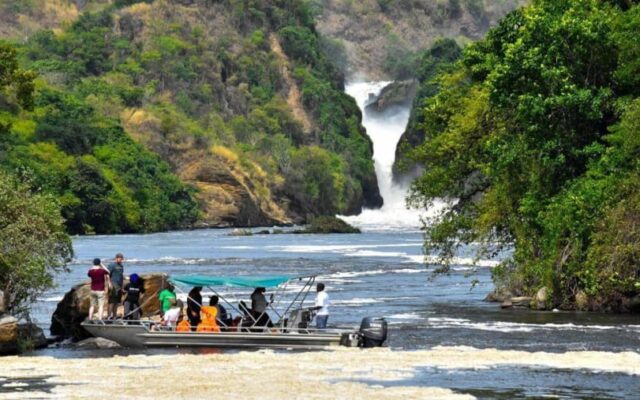
Uganda remains one of East Africa’s important buffalo conservation destinations, with strong populations across major wildlife ecosystems including Murchison Falls National Park, Queen Elizabeth National Park, Kidepo Valley National Park, and Lake Mburo National Park.
This guide explores African buffalo conservation, threats, habitat protection, disease pressures, conflict issues, conservation strategies, and tourism’s role in long-term buffalo protection.
Why African Buffalo Matter
Buffalo are ecologically important because they:
- Shape grazing ecosystems
- Support predator-prey dynamics
- Influence vegetation systems
- Contribute to biodiversity balance
- Drive safari tourism experiences
- Represent Big Five conservation value
Conservation Challenges
Despite their resilience, buffalo face real conservation pressures.
Major concerns include:
- Habitat loss
- Habitat fragmentation
- Disease pressures
- Human-wildlife conflict
- Water ecosystem degradation
- Land-use pressure
Major Threats to African Buffalo
1. Habitat Loss
Habitat loss is one of the most significant long-term buffalo threats.
Buffalo require productive grazing ecosystems with reliable water and movement space.
Main habitat loss drivers:
- Agricultural expansion
- Human settlement growth
- Infrastructure development
- Land conversion
- Resource pressure
2. Habitat Fragmentation
Fragmentation reduces ecological resilience and movement flexibility.
Impacts include:
- Restricted herd movement
- Reduced habitat access
- Ecological isolation
- Greater conflict pressure
3. Disease Pressures
Disease management is an important buffalo conservation issue.
Disease concerns may affect:
- Population health
- Movement management
- Conservation planning
- Wildlife-livestock interfaces
Why Disease Matters
Because buffalo may interact ecologically near livestock interfaces in some landscapes, disease monitoring becomes important.
4. Human-Wildlife Conflict
Conflict occurs when buffalo habitat overlaps with human land use.
Possible conflict drivers:
- Crop interactions
- Habitat encroachment
- Competition for water
- Livestock interface pressure
5. Water Ecosystem Pressure
Buffalo depend heavily on reliable water systems.
Degraded water access can reduce habitat quality significantly.
6. Protected Area Pressure
Conservation success depends heavily on strong protected ecosystem management.
African Buffalo Conservation in Uganda
Murchison Falls National Park
Uganda’s most important buffalo conservation landscape.
Conservation strengths:
- Large buffalo populations
- Broad protected habitat
- Strong safari tourism value
- Predator-prey ecological importance
Queen Elizabeth National Park
Critical buffalo conservation ecosystem supporting major wildlife populations.
Kidepo Valley National Park
Remote wilderness ecosystem with significant buffalo conservation value.
Lake Mburo National Park
Important buffalo conservation habitat in southwestern Uganda.
Protected Areas Matter
Protected ecosystems are fundamental for buffalo survival.
Benefits include:
- Habitat security
- Water protection
- Predator-prey ecological balance
- Reduced disturbance
- Wildlife law enforcement
Habitat Protection
Long-term buffalo conservation depends on preserving functioning grazing ecosystems.
Conservation priorities:
- Protected area management
- Grassland conservation
- Water ecosystem protection
- Habitat continuity
- Landscape planning
Disease Monitoring
Wildlife health monitoring supports effective buffalo conservation management.
Monitoring priorities:
- Population health surveillance
- Interface risk management
- Veterinary conservation oversight
Conflict Mitigation
Reducing buffalo-human conflict improves conservation outcomes.
Approaches may include:
- Community engagement
- Land-use planning
- Awareness programs
- Wildlife coexistence strategies
Community Conservation
Long-term buffalo conservation benefits from local support.
Potential conservation pathways:
- Tourism employment
- Revenue-sharing initiatives
- Community partnerships
- Conservation education
Research and Monitoring
Scientific monitoring helps support adaptive conservation management.
Research priorities include:
- Population monitoring
- Movement understanding
- Disease risk analysis
- Habitat assessment
- Conflict understanding
Tourism and Buffalo Conservation
Responsible safari tourism can support buffalo conservation through:
- Protected area funding
- Wildlife economic value
- Employment creation
- Global conservation awareness
Why Buffalo Tourism Matters
Buffalo are core Big Five safari species whose tourism value supports wildlife protection economics.
Conservation Challenges Ahead
- Growing land-use pressure
- Protected habitat management needs
- Water ecosystem stress
- Disease management complexity
- Human-wildlife coexistence pressures
Conservation Myths
Myth: Buffalo Need No Conservation Because They Are Tough
Reality: Resilience does not eliminate conservation pressures.
Myth: Protected Parks Alone Solve Everything
Reality: Wider landscape pressures still matter.
Myth: Buffalo Are Less Important Than Predators
Reality: Herbivores are essential ecological pillars.
How Travelers Help Buffalo Conservation
Visitors can contribute by:
- Choosing responsible safari operators
- Supporting conservation tourism
- Respecting wildlife regulations
- Promoting ethical wildlife travel
Uganda’s Buffalo Conservation Strengths
- Strong protected populations
- Excellent safari ecosystems
- Multiple conservation landscapes
- Big Five tourism value
- Protected habitat networks
Interesting Conservation Facts
- Buffalo are major Big Five conservation species
- Habitat protection is essential
- Disease monitoring matters
- Water ecosystems are critical
- Tourism can support buffalo conservation