
African Buffalo FAQs and Answers — use the questions below for quick answers on biology, herd behaviour, predator fights, where to see buffalo in Uganda, safety, and safari planning. Explore best time to visit, buffalo safari experiences, and Uganda safari packages for deeper guides — or request a quote for a tailored itinerary.
- What is an African buffalo?
The African buffalo (Syncerus caffer), also known as the Cape buffalo, is a large wild bovine native to sub-Saharan Africa. It is one of Africa's most powerful and respected animals and is included among the Big Five. Unlike domestic cattle, African buffalo have never been successfully domesticated and remain highly unpredictable in the wild.
- Why is the African buffalo part of the Big Five?
The buffalo was included in the Big Five because it was historically considered one of the most dangerous animals to hunt on foot. Its strength, aggressive nature when threatened, and tendency to charge made it one of the most feared animals among hunters.
- Where can I see African buffalo in Uganda?
Buffalo are widespread across Uganda's protected areas. Excellent locations for buffalo sightings include Murchison Falls National Park, Queen Elizabeth National Park, Kidepo Valley National Park, and Lake Mburo National Park. See our where to see African buffalo guide for park comparisons.
- How much does an African buffalo weigh?
Adult male buffalo typically weigh between 500 and 900 kilograms, while females generally weigh between 300 and 600 kilograms. Large bulls can exceed 1,000 kilograms in exceptional cases.
- How tall is an African buffalo?
African buffalo usually stand between 1.3 and 1.7 meters at the shoulder. Despite their relatively modest height compared to elephants or giraffes, they are extremely muscular and powerful animals.
- What do African buffalo eat?
Buffalo are herbivores that primarily feed on grasses. They may also consume shrubs, herbs, and other vegetation when grasses are scarce. An adult buffalo spends many hours each day grazing. Learn more on our African buffalo diet page.
- How long do African buffalo live?
African buffalo generally live between 15 and 25 years in the wild, depending on environmental conditions, disease, and predation pressures.
- Are buffalo dangerous?
Yes. African buffalo are widely regarded as one of Africa's most dangerous animals. Injured or threatened buffalo can be highly aggressive and may charge humans, predators, or vehicles if they feel threatened.
- Why are buffalo considered unpredictable?
Buffalo can appear calm one moment and become aggressive the next. Their defensive instincts are strong, especially when protecting calves or injured herd members. This unpredictability contributes to their reputation among safari guides.
- How fast can buffalo run?
Despite their heavy build, African buffalo can run at speeds of up to 55 kilometers per hour (34 miles per hour) over short distances.
- Do buffalo live in herds?
Yes. Buffalo are highly social animals that live in herds. Herds provide protection from predators and improve access to resources such as food and water. Explore more on our African buffalo behaviour page.
- How large can buffalo herds become?
Buffalo herd sizes vary greatly. Small groups may contain fewer than 20 individuals, while large herds in productive ecosystems can number hundreds or even thousands of animals.
- What predators hunt buffalo?
Lions are the primary predators of adult buffalo. Crocodiles may occasionally attack buffalo crossing rivers, while calves can fall prey to hyenas, leopards, and wild dogs.
- Can buffalo fight lions?
Yes. Buffalo are among the few prey species capable of seriously injuring or even killing lions. Herd members often work together to defend themselves and rescue calves from lion attacks.
- Why do buffalo protect each other?
Buffalo exhibit strong herd loyalty. When one member is attacked, other buffalo often return to assist, using their size, horns, and numbers to confront predators.
- What are buffalo horns used for?
Buffalo use their horns for defense, fighting rivals, establishing dominance, and protecting the herd. Mature bulls possess a distinctive horn structure called a boss.
- What is a buffalo boss?
The boss is the thick, hardened shield formed where a mature bull's horns meet on the forehead. It provides protection during fights and is one of the buffalo's most distinctive features.
- How many calves does a buffalo have?
Female buffalo usually give birth to a single calf. Twin births are extremely rare.
- How long is buffalo pregnancy?
The gestation period for African buffalo is approximately 11 months. Calves are able to stand and move shortly after birth.
- What is the best time to see buffalo?
Buffalo can be seen throughout the year. During the dry seasons, they are often easier to locate because they gather around permanent water sources. See our best time to see African buffalo guide for monthly conditions.
- Can buffalo swim?
Yes. African buffalo are capable swimmers and frequently cross rivers, lakes, and wetlands while searching for food and water.
- What diseases affect buffalo?
Buffalo can carry diseases such as bovine tuberculosis, foot-and-mouth disease, and corridor disease. These diseases can affect both wildlife and livestock populations.
- Are African buffalo endangered?
African buffalo are currently classified as Near Threatened in some regions. While populations remain relatively stable in protected areas, habitat loss, disease, and human encroachment continue to pose challenges.
- How do buffalo communicate?
Buffalo communicate through vocalizations, body language, scent, and movement patterns. Grunts, snorts, and other sounds help herd members coordinate activities and warn of danger.
- What role do buffalo play in ecosystems?
Buffalo are important grazers that help shape grassland ecosystems. Their grazing influences vegetation growth, nutrient cycling, and habitat conditions for many other wildlife species.
- What habitats do buffalo prefer?
African buffalo thrive in savannahs, grasslands, woodlands, floodplains, and areas near reliable water sources. Access to water is essential because buffalo drink daily. See our African buffalo habitat guide for more detail.
- How many buffalo live in Uganda?
Uganda hosts tens of thousands of buffalo, with particularly large populations found in Murchison Falls National Park and Queen Elizabeth National Park. These parks provide ideal grazing conditions and strong protection.
- What conservation efforts protect buffalo?
Buffalo conservation relies on protected areas, anti-poaching patrols, disease management programs, habitat preservation, and sustainable wildlife tourism that generates funding for conservation. Learn more on our African buffalo conservation page.
- What is the difference between African buffalo and domestic cattle?
African buffalo are wild animals that have never been domesticated. They are larger, more aggressive, and possess heavier horns than most domestic cattle breeds. Their behavior is also far less predictable.
- Are buffalo aggressive toward humans?
Buffalo can become aggressive when threatened, cornered, injured, or surprised. They should always be treated with caution and respected during safari activities.
- Why are buffalo called the "Black Death"?
The nickname Black Death comes from the buffalo's reputation as one of Africa's most dangerous animals. Historically, buffalo were responsible for numerous injuries and fatalities among hunters due to their tendency to charge unexpectedly.
- What is a bachelor herd?
A bachelor herd consists primarily of adult male buffalo that live separately from breeding herds. Older bulls often spend much of their lives in these male-only groups.
- Do buffalo migrate?
Some buffalo populations undertake seasonal movements in search of food and water. However, these movements are generally less extensive than those of species such as wildebeest.
- Can buffalo recognize members of their herd?
Research suggests buffalo can recognize familiar individuals through scent, vocalizations, and visual cues, helping maintain social cohesion within large herds.
- Why are African buffalo important to safari ecosystems?
Buffalo are one of the most important prey species for lions and other predators. Their grazing habits also help maintain healthy grasslands, making them a vital component of African savannah ecosystems and a key species on wildlife safaris.
Safari packages to see African Buffalo
Bookable itineraries below include parks and activities where you are most likely to encounter African Buffalo in the wild.
 Best
Seller
Best
Seller
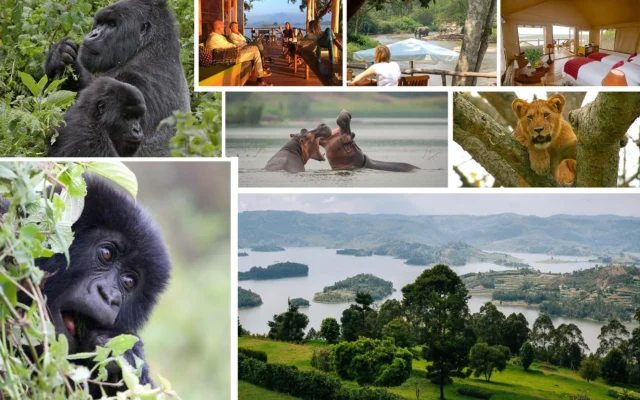
7 Day Uganda Wildlife & Gorilla
You visit
Murchison Falls, Kibale Forest, Queen Elizabeth NP, Bwindi Forest, Entebbe
Seven days with gorillas: the wildlife tour above plus Bwindi trekking on Day 6 — the single most booked private itinerary for Uganda Safari Tours guests who want chimps, savannah and gorillas in one…
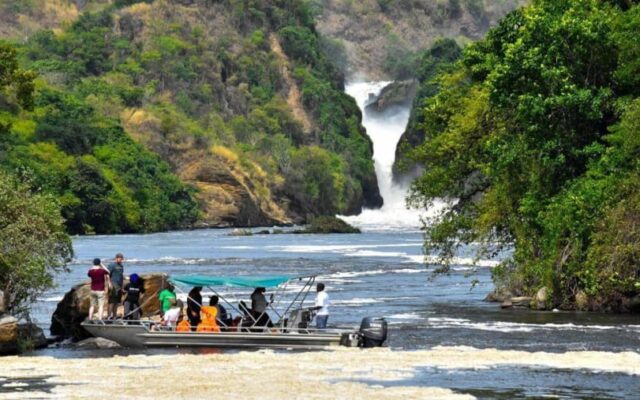
3 Day Murchison Falls Safari
You visit
Murchison Falls, Entebbe
Our classic 3-day Murchison Falls safari follows the park’s most proven circuit: dramatic falls, savannah game drives north of the Nile, and the famous boat trip where the river narrows below the casc…
 Best
Seller
Best
Seller
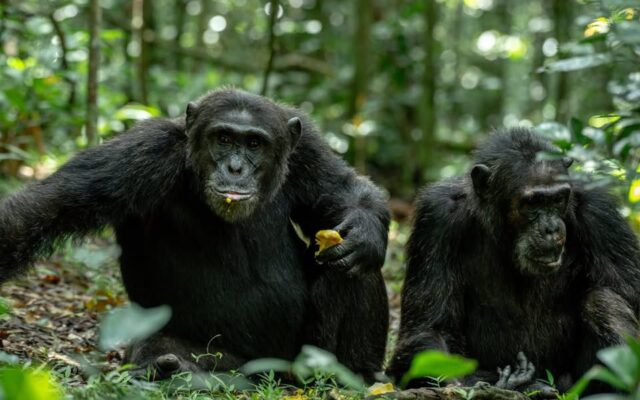
6 Days Uganda Gorillas, Chimpanzees & Wildlife Safari
You visit
Kibale Forest, Queen Elizabeth NP, Bwindi Forest, Entebbe
Primates plus plains in six days: Kibale chimps, Queen Elizabeth savannah, Bwindi gorillas and a Lake Mburo finale for zebra — the full Uganda highlight reel without rushing Kidepo or Murchison.
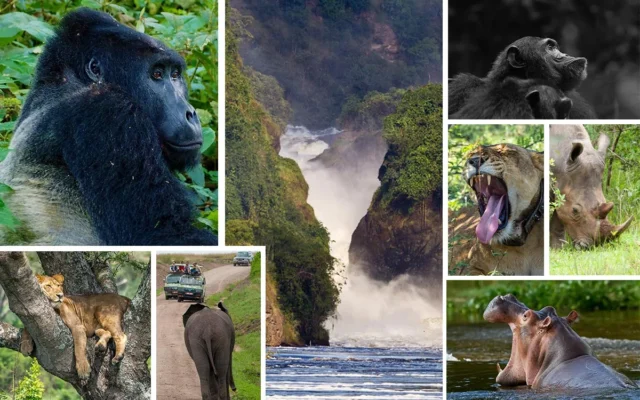
18 Days Uganda Wildlife Safari
You visit
Entebbe (Start, End)
The ultimate 18-day Uganda wildlife safari — every savannah park, both chimp forests, gorillas, and the remote northeast. After Murchison and Kidepo, the route sweeps through Kibale, Queen Elizabeth,…