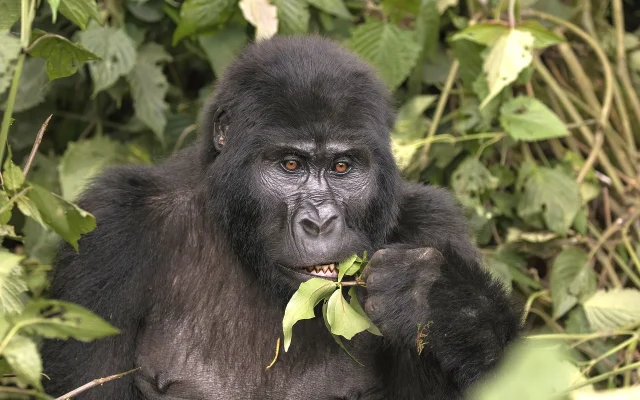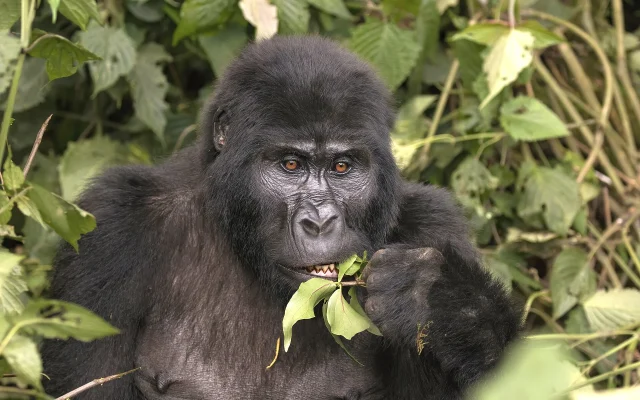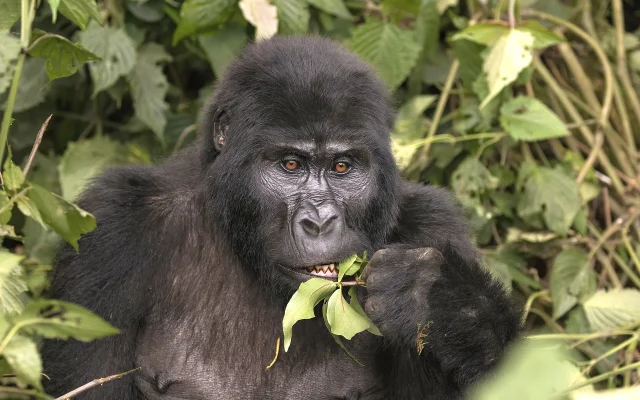
Explore this species across our habitat guide, where to see page, and safari planning resources - plus parks such as linked destinations.
Watching cheetah behaviour in the wild is one of safari’s most electrifying experiences. A cheetah standing atop a termite mound scanning the plains, stalking prey with intense focus, or launching into an explosive chase demonstrates extraordinary predator specialization.
This guide explores African cheetah behaviour in detail, including hunting, social structure, predator competition, cub care, communication, daily routines, and safari observation insights.
Speed Defines Cheetah Behaviour
Speed is the central force shaping cheetah behaviour.
Behavioural implications include:
- Open habitat preference
- Visual prey tracking
- Short pursuit hunting
- Energy conservation
- Avoidance of physical confrontation
Social Behaviour
Cheetah social structure differs from most big cats.
Main Social Patterns
- Solitary females
- Mothers with cubs
- Male coalitions
- Independent young adults
Female Behaviour
Adult females are primarily solitary except while raising cubs.
Behavioural priorities include:
- Hunting
- Cub protection
- Predator avoidance
- Habitat movement
Male Coalition Behaviour
Male cheetahs may form coalitions, an unusual trait among cats.
Potential advantages:
- Territory cooperation
- Defensive support
- Resource opportunity
- Breeding advantage
Hunting Behaviour
Cheetah hunting behaviour is fundamentally different from ambush predators.
They are pursuit hunters built for speed-based attacks.
Core Hunting Traits
- Visual prey detection
- Careful stalking
- Explosive acceleration
- Short high-speed chase
- Precision attack timing
Visual Hunting Strategy
Cheetahs rely heavily on sight rather than concealment-based ambush.
This requires:
- Good visibility
- Open habitat
- Prey detection range
- Strategic positioning
Stalking Behaviour
Before sprinting, cheetahs often stalk carefully to reduce chase distance.
High-Speed Chase Behaviour
Once committed, cheetahs launch explosive short pursuit attacks.
Behavioural characteristics:
- Rapid acceleration
- High agility
- Fast directional changes
- Short burst intensity
Why Hunts Are Short
Extreme sprinting is physically expensive.
Long pursuits are unsustainable.
Post-Hunt Behaviour
After intense exertion, cheetahs often require recovery time.
This creates vulnerability to competitors.
Feeding Behaviour
Cheetahs are carnivores that must feed efficiently due to predator competition.
Feeding traits include:
- Rapid feeding when necessary
- Competitor vigilance
- Strategic kill use
Predator Avoidance Behaviour
Unlike stronger carnivores, cheetahs survive partly through avoiding confrontation.
Main competitors include:
- Lions
- Leopards
- Hyenas
Why Avoidance Matters
Cheetahs are optimized for speed, not direct combat.
Vigilance Behaviour
Cheetahs remain highly alert for:
- Predator threats
- Scavenger pressure
- Environmental risk
- Cub danger
Resting Behaviour
Cheetahs balance intense exertion with recovery.
Resting behaviours include:
- Shade use
- Elevated observation points
- Energy conservation
- Environmental scanning
Communication Behaviour
Cheetahs communicate through behavioural and sensory signals.
Communication Methods
- Vocal signals
- Scent marking
- Movement cues
- Social interaction behaviour
Territorial Behaviour
Territorial patterns vary by sex and social structure.
Movement Behaviour
Cheetah movement reflects:
- Prey tracking
- Habitat navigation
- Predator avoidance
- Territorial activity
Cub Care Behaviour
Female cheetahs independently raise cubs.
Maternal behaviours include:
- Protection
- Relocation decisions
- Hunting provision
- Threat avoidance
- Behaviour teaching
Cub Learning Behaviour
Young cheetahs gradually learn:
- Movement coordination
- Predator awareness
- Hunting foundations
- Environmental caution
Daily Activity Patterns
Cheetahs often show strong daytime activity compared to many other big cats.
Morning
- Active movement
- Prey scanning
- Hunting opportunity
Midday
- Resting
- Shade recovery
- Observation
Afternoon
- Renewed movement
- Hunting possibility
Habitat-Driven Behaviour
Behaviour reflects open ecosystem adaptation.
- Visual scanning
- Strategic movement
- Speed-compatible hunting
Behaviour During Safari Encounters
Travelers may observe:
- Scanning from elevated points
- Stalking behaviour
- Resting after exertion
- Social coalition interaction
- Cub behaviour with mothers
Behaviour Myths
Myth: Cheetahs Fight Like Lions
Reality: They avoid confrontation whenever possible.
Myth: Cheetahs Hunt Through Stealth Ambush Alone
Reality: Pursuit defines hunting strategy.
Myth: All Big Cats Are Solitary
Reality: Male coalitions make cheetahs socially distinctive.
Interesting Behaviour Facts
- Built for speed-based hunting
- Male coalitions are unusual among cats
- Strong predator avoidance behaviour
- Visual hunting specialists
- Daytime activity can be significant