
- Is Community Homestays — Ziwa worth it?
Yes. Community Homestays — Ziwa is worth considering for travelers who want budget safari accommodation comfort while exploring Ziwa Rhino Sanctuary from Ziwa ecosystem. For travelers prioritizing Ziwa ecosystem access, budget safari accommodation comfort, and efficient Ziwa logistics, Community Homestays — Ziwa remains a credible choice on Ziwa Rhino Sanctuary itineraries.
- Is Community Homestays — Ziwa near Ziwa Rhino Sanctuary?
Community Homestays — Ziwa serves the Ziwa Rhino Sanctuary tourism corridor from Ziwa ecosystem. Many guests use this positioning for efficient park transfers, guided activities, and multi-night safari routing.
- Is Community Homestays — Ziwa budget, mid-range, or luxury?
Community Homestays — Ziwa is budget safari accommodation. It sits in the budget tier for Ziwa Rhino Sanctuary — Budget Safari Accommodation in Ziwa ecosystem. Match your expectations to this tier when comparing rates and amenities.
- Where exactly is Community Homestays — Ziwa located?
Community Homestays — Ziwa is in Ziwa ecosystem, within the Ziwa Rhino Sanctuary circuit in Northern Uganda. Ziwa is Uganda's only place to track rhinos on foot and the essential Big Five stopover between Kampala and Murchison Falls.
- How do I get to Community Homestays — Ziwa?
approximately 3–4 hours north of Kampala on the Gulu–Masindi highway, commonly en route to Murchison Falls National Park. Most guests arrive by road with a driver-guide or as part of a packaged safari that coordinates vehicle, park fees, and activity timing.
- How far is Community Homestays — Ziwa from Kampala?
Road transfer time is typically around 3 to 4 hours depending on route, traffic, and whether your itinerary includes stopovers such as rhino sanctuaries, crater lakes, or town breaks.
- Can I see rhinos while staying at Community Homestays — Ziwa?
Yes. Ziwa Rhino Sanctuary is the only place in Uganda where visitors routinely track southern white rhinos on foot with armed rangers. Staying near Ziwa — including at Community Homestays — Ziwa — makes early morning rhino tracking far easier than a same-day dash from Kampala.
- Can I see shoebills at Ziwa from Community Homestays — Ziwa?
Yes. Ziwa's Lugogo Swamp is one of Uganda's most reliable shoebill sites. Guided canoe and walking searches are best in the early morning; overnight stays at lodges such as Community Homestays — Ziwa improve your chances because shoebill excursions often start before day-trip traffic arrives.
- How long does rhino tracking at Ziwa take?
Most rhino tracking walks last about 1.5 to 2.5 hours, depending on where the rhino family is on the day. Rangers guide you on foot to within a safe viewing distance — typically around 6–7 metres under supervision.
- Is Ziwa Rhino Sanctuary the only place to see rhinos in Uganda?
For many years Ziwa has been Uganda's primary rhino tracking site and breeding stronghold. Reintroduction programmes are expanding, but Ziwa remains the most reliable place travelers book for on-foot rhino encounters on standard safari circuits.
- Can I combine Community Homestays — Ziwa with Murchison Falls National Park?
Yes. Ziwa sits on the classic Kampala–Murchison highway corridor. Most Big Five itineraries include a Ziwa rhino stop en route to or from Murchison Falls National Park, making Community Homestays — Ziwa a natural overnight or activity base.
- Is rhino tracking at Ziwa safe?
Rhino tracking is conducted with trained rangers and armed escorts. Follow ranger instructions, keep a respectful distance, and avoid sudden movements. The sanctuary also maintains security across the ranch for overnight guests.
- What activities can I do while staying at Community Homestays — Ziwa?
From Community Homestays — Ziwa, guests commonly plan: on-foot rhino tracking with rangers; shoebill stork excursions (seasonal); night walks and nocturnal wildlife; bird watching; nature walks on sanctuary trails. Your lodge can help coordinate timing with local guides, park gates, and seasonal conditions.
- What wildlife or nature can I see near Community Homestays — Ziwa?
Ziwa Rhino Sanctuary supports encounters with southern white rhinos, bushbucks, oribis, grey duikers, rich birdlife including shoebill potential, and more depending on season, sector, and how many days you allow for exploration from Ziwa ecosystem.
- What room types does Community Homestays — Ziwa offer?
Typical configurations include Standard rooms or bandas, Camping (where available). Exact categories vary by season and booking channel — confirm bedding layout and meal plans when you request a quote.
- How many nights should I stay at Community Homestays — Ziwa?
Most travelers stay 2 to 3 nights for a solid Ziwa experience; longer stays suit trekking, birding, and multi-sector itineraries. One night can work for transit stops; longer stays suit photographers, birders, and guests building slower-paced itineraries.
- What is the best time to visit Ziwa Rhino Sanctuary from Community Homestays — Ziwa?
Ziwa experiences run year-round. Dry seasons (typically December–February and June–September) often offer easier road access and wildlife viewing, while wetter months can be excellent for birding and lush scenery.
- Can I book Community Homestays — Ziwa as part of a safari package?
Yes — and this is often the best approach. Safari packages coordinate transport, park fees, activities, and lodging so your total itinerary cost is clearer and logistics run smoothly on Ziwa Rhino Sanctuary routes.
Answers to the most common questions about staying at Community Homestays — Ziwa.
Ziwa Rhino safaris
View all packages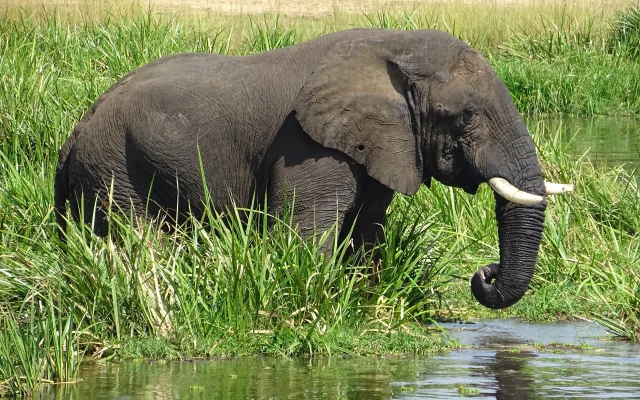
1 Day Rhino Tracking at Ziwa Sanctuary
You visit: Ziwa Rhino Sanctuary
Uganda · On-foot rhino experience
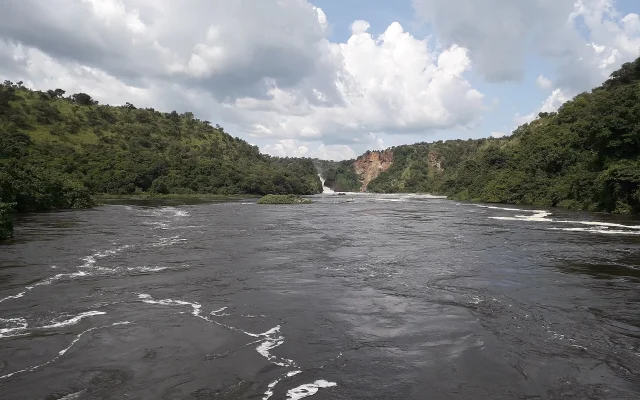
3 Days Big Five Safari in Uganda
You visit: Murchison Falls National Park, Ziwa Rhino Sanctuary
Uganda · Rhino, big game & highlights
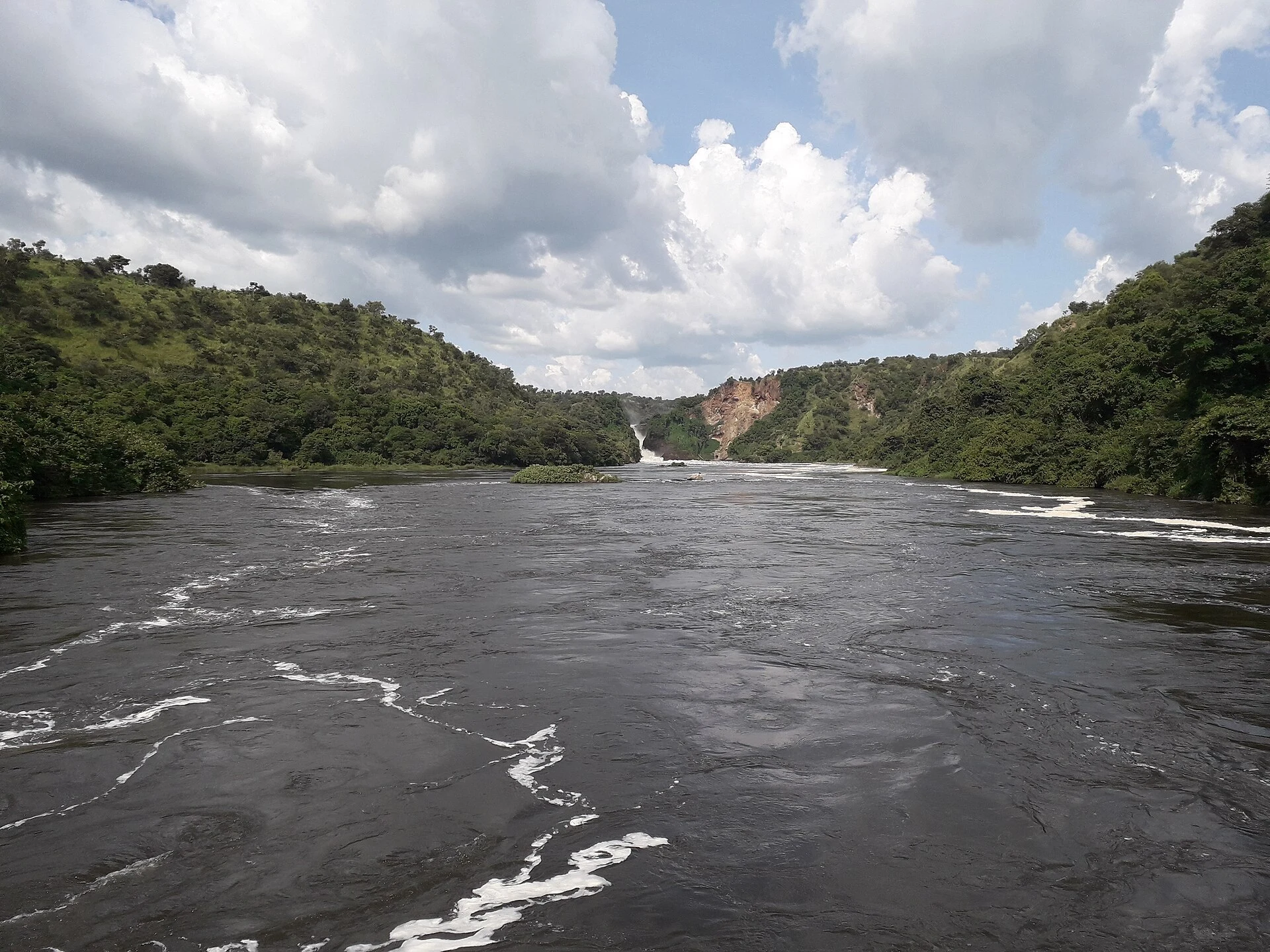
3 Days Murchison Falls Safari with Rhinos (Ziwa)
You visit: Murchison Falls National Park, Ziwa Rhino Sanctuary
Uganda · Rhino sanctuary & falls
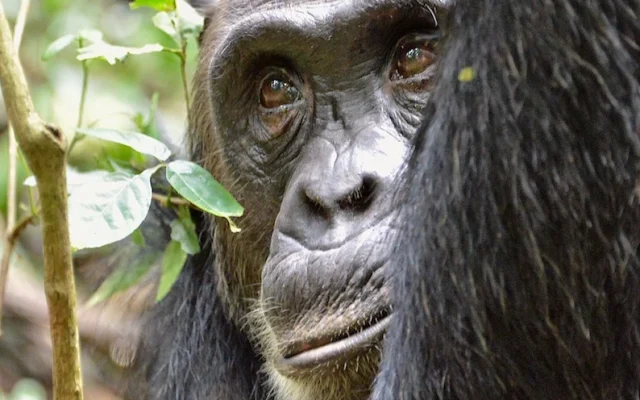
3 Days Rhinos & Chimpanzee Safari (Uganda)
You visit: Kibale National Park, Ziwa Rhino Sanctuary
Uganda · Ziwa & Kibale corridor